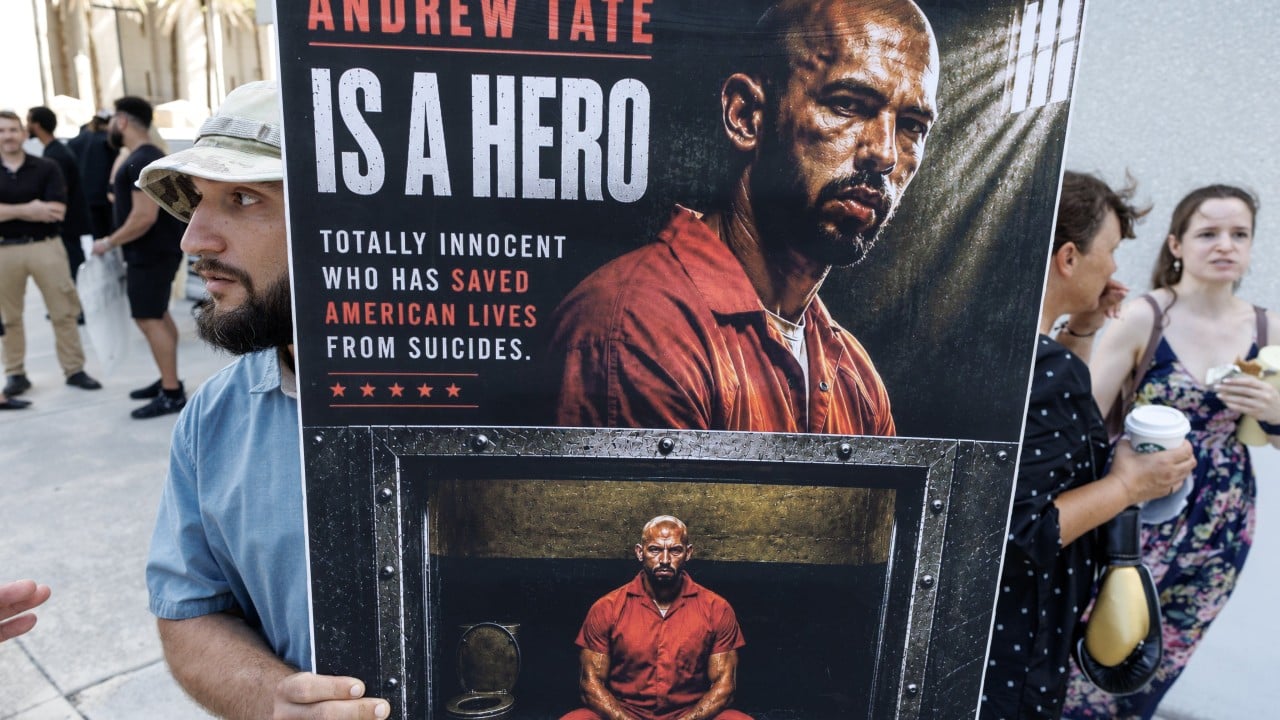
Shackled in beige jumpsuits inside a Miami federal courtroom, Andrew and Tristan Tate tried a strategy nobody expected them to rely on: throwing their own online personas under the bus.
The polarizing internet personalities spent hours on the witness stand arguing that their multi-millionaire, hyper-aggressive alpha-male images are nothing more than characters. They are fighting tooth and nail to get out of the Federal Detention Center in Miami while they battle an extradition request from the United Kingdom.
If you are wondering why two men who built an empire on supposed limitless wealth are currently complaining about jailhouse ants and prison food, the reality of international law is catching up fast. Let us break down what is actually happening behind the headlines.
The Bail Battle and the Reality of Extradition
Getting bail in an international extradition case is notoriously difficult. Federal prosecutors made it clear that the Tates pose a massive flight risk, pointing to their dual U.S. and U.K. citizenship, foreign ties, and previous boasts about multiple passports.
The defense team, led by attorneys like Joseph McBride and Howard Srebnick, tried a different angle. They argued that because Romanian authorities allowed the brothers to remain free on judicial supervision while fighting separate charges there, a U.S. magistrate judge should do the same. They also claimed that their extreme online visibility makes sneaking out of the country practically impossible.
U.S. Magistrate Judge Lauren Louis listened to the arguments, but securing bond in these circumstances remains an uphill climb. Prosecution pointed to severe allegations from British authorities, including claims of forcible restraint and sexual assault spanning several years, alongside accusations that the brothers tried to influence witnesses in Romania.
Deconstructing the Internet Persona Defense
The most fascinating part of the Miami courtroom showdown wasn't the legal boilerplate. It was the defense's active dismantling of the Tate brand.
For years, the brothers commanded algorithms by flaunting rented supercars, luxury watches, and massive yachts. On the stand, their lawyers conceded that those flexes were largely exaggerated or outright fictional. That $2.1 million Aston Martin? Rented. That $50 million superyacht featured in their viral video clips? Didn't even belong to them.
Lawyers went as far as comparing Andrew Tate’s provocative online persona to Sacha Baron Cohen's satirical Ali G character. It is a stark pivot for figures who built their entire commercial footprint on the premise that their lifestyle and unfiltered views were entirely authentic. When jail cells and extradition warrants enter the picture, the internet character defense becomes a legal necessity rather than a marketing gimmick.
What Happens Next in the Legal Saga
The Tates remain locked up in Miami while the legal machinery grinds forward. The U.K. has a strict window to submit its full evidentiary package to the State Department, and the broader extradition process could drag on for months.
No matter how the bond decision shakes out, the brothers are facing a multi-jurisdictional legal maze that spans eastern Europe, Britain, and the United States. Their attempt to trade prison jumpsuits for monitored house arrest highlights how quickly online bravado collides with federal custody.
Surrender passports, post heavy bonds, or stay behind bars—those are the real stakes on the table.