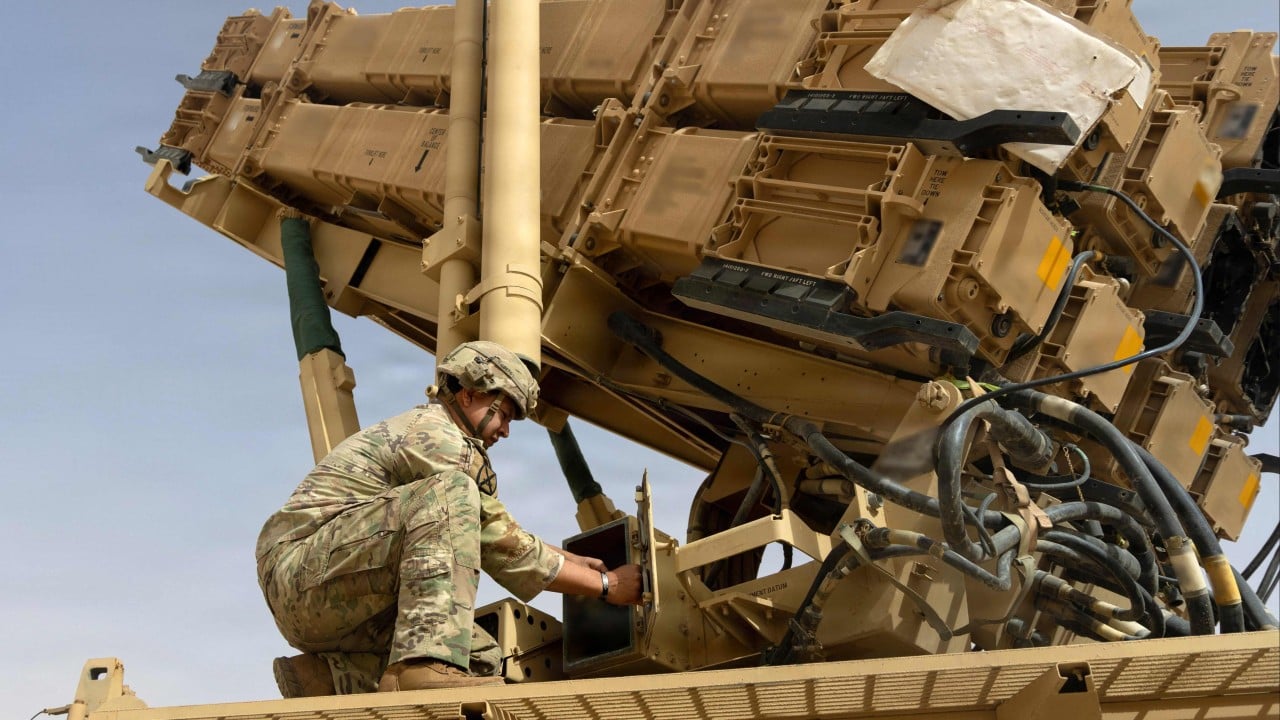
Air defense systems don't mean much if the magazines are completely empty. Right now, American and NATO forces across Europe are staring down a terrifying supply gap.
Defense officials leaked a stark assessment. The European stockpile of advanced missile interceptors is sitting at levels described as "beyond critical".
Nobody expected a massive two-front drain on resources. But reality caught up fast.
Where Did All the Interceptors Go?
You can trace the root cause directly to the Middle East. The ongoing conflict with Iran forced a massive reallocation of U.S. military hardware.
American and Gulf ally forces burned through an unprecedented volume of high-end munitions to swat down waves of incoming Iranian drones and ballistic missiles. According to data from the Center for Strategic and International Studies (CSIS), the theater consumed roughly 65 percent of total U.S. Patriot stockpiles. That equals about 1,500 out of a total inventory of 2,330 interceptors.
Units stationed in Europe shipped their gear south to plug holes. Meanwhile, previous transfers meant to support Ukraine chipped away at the baseline inventory.
The math stopped working. Production lines simply couldn't keep pace with the rate of expenditure.
The European Vulnerability Gap
Europe finds itself in an awkward position. Several continental nations bought expensive, high-tech Patriot batteries from Washington. They built the infrastructure. They trained the crews.
Now, they lack the actual ammunition to load into the launchers.
This leaves a gaping hole in regional deterrence. NATO planners worry constantly about the eastern flank. Intelligence estimates suggest Russia could rebuild its conventional forces enough to threaten alliance borders by 2030.
If a crisis erupted tomorrow, European skies lack sufficient shields against high-speed ballistic threats.
Pentagon Pushback and Production Realities
Naturally, official channels tried to downplay the panic. Senior military spokespersons insisted that inventories remain adequate to "block punches" and fulfill regional defense obligations.
The Pentagon maintained that the military retains all necessary capabilities to strike or defend at a moment's notice.
Behind closed doors, the operational reality looks different. Manufacturing takes time. Current output sits at roughly 600 missiles per year, with long-term goals aiming to scale up production toward 2,000 units annually by the end of the decade.
New manufacturing hubs, like the facility slated to open in Germany, will eventually ease the burden. Early batches from local European production lines won't clear backlog orders until early next year.
Until those factories hit full capacity, Europe's defense umbrella remains remarkably thin. Stockpiles won't truly rebound for years, leaving military commanders crossing their fingers that deterrence holds.
Trump's Deadliest Missile '80% Gone?' Patriot, Thaad Out Of Stock? Pentagon Breaks Silence | Watch
This video provides an in-depth look at the severe depletion of U.S. Patriot and THAAD missile inventories and breaks down the Pentagon's official response to the crisis.
http://googleusercontent.com/youtube_content/1