The coffee was still hot on the counter. That is the detail that lingers longest in the quiet aftermath of a disaster, the stubborn domesticity of a morning interrupted by the end of the world. A ceramic mug, half-empty. Toast crumbs on a wooden board. The casual rhythm of a Tuesday turned upside down in the space of a single heartbeat.
Water does not arrive with the polite knock of an ordinary visitor. It arrives with the sound of a freight train grinding over gravel, a low, visceral growl that vibrates in the soles of your feet before you can even see the horizon darken. Then comes the wall. Twenty feet of churning, opaque fury, carrying with it the splintered remains of homes, the heavy tonnage of mud, and the terrifying weight of an entire valley’s undoing.
Behind the dry statistics—the numbers that flash across cable news tickers and scroll past on smartphone screens—lie lives that were ordinary until they weren't. We read about the casualties with a cold sort of distance. At least 350 dead. The numbers are too vast to hold in your hands. They slip through our fingers like dry sand. But scale those numbers down to a single kitchen, a single family, and the abstraction shatters.
Consider what happens when sixty-five Americans among thirteen hundred missing become more than a bureaucratic tally in a consular briefing. Consider a father standing on a roof, watching his children lifted into the swirling downdraft of a rescue chopper, or perhaps not lifted at all. Consider the silence that follows the roar of the water—a heavy, suffocating quiet where telephone lines go dead and the familiar topography of a hometown is replaced by a uniform, grey wasteland of silt.
Geography is often an accomplice in these tragedies. Valleys funnel catastrophes. Rivers that once provided irrigation and scenic beauty transform, under the relentless pressure of unseasonable cloudbursts and saturated earth, into subterranean hydraulic rams. Gravity does the rest. The physics of a mudslide are merciless. Soil mixed with water creates a slurry that acts like liquid concrete, moving at speeds that defy evacuation warnings. By the time the sirens wail, the wire is already down. The road is already gone.
I remember the smell of it. Not this specific mud, perhaps, but the universal scent of catastrophe: damp earth, crushed timber, raw sewage, and the metallic tang of ozone hanging heavy in the air after a storm has spent its fury. It is a smell that stays in your clothes for days, clinging to the fabric long after you have moved to higher ground. It is the smell of things ending.
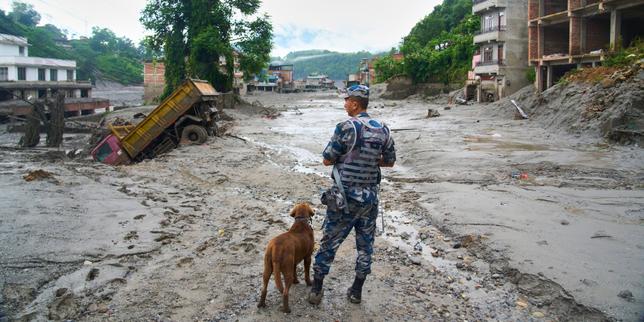
Search and rescue teams move through this wreckage like ghosts through a ruin. They step carefully over downed power lines and peer into the hollowed-out shells of cars tossed like matchsticks. Every shovel full of mud shifted is an act of desperate hope. Every canine handler walking the perimeter holds their breath, waiting for the sharp, sudden bark that signals a find. But the mud is unforgiving. It seals cracks. It fills basements. It swallows landmarks until even lifelong residents look around and cannot tell which direction north used to be.
Diplomatic channels hum with quiet urgency thousands of miles away. Consular officials field frantic phone calls from panicked parents in Ohio or Texas, staring at static-filled screens, asking if anyone has seen their daughter who was studying abroad, or their son who took a contract job in the region. The waiting is a different kind of torture. It is a slow bleed of uncertainty, where every ring of the phone brings the possibility of a miracle or the absolute finality of grief.
We build our lives on the assumption of permanence. We pour concrete foundations, we plant gardens, we hang pictures on drywall, trusting that the earth beneath us will stay put and the sky will remain a canopy rather than a hammer. We forget, in our comfort, that we live on a dynamic, restless planet that operates on a geological timeline entirely indifferent to human ambitions.
When the waters finally recede, they leave behind a landscape sculpted by trauma. The mud dries into a crust that cracks underfoot like old porcelain. Neighbors wander through the debris, sometimes finding an intact photo album, sometimes nothing at all. They look at each other with hollow eyes, bound together by a shared catastrophe that no one could have predicted with enough precision to stop.
The mug on the counter is gone now, washed miles away into a swollen estuary or buried beneath six feet of silt. But the memory of the morning remains, suspended in the amber of a terrible before and an impossible after. The wall came and went in minutes, but the shadow it cast will stretch across generations, a permanent reminder of how quickly the world we know can be swept away.