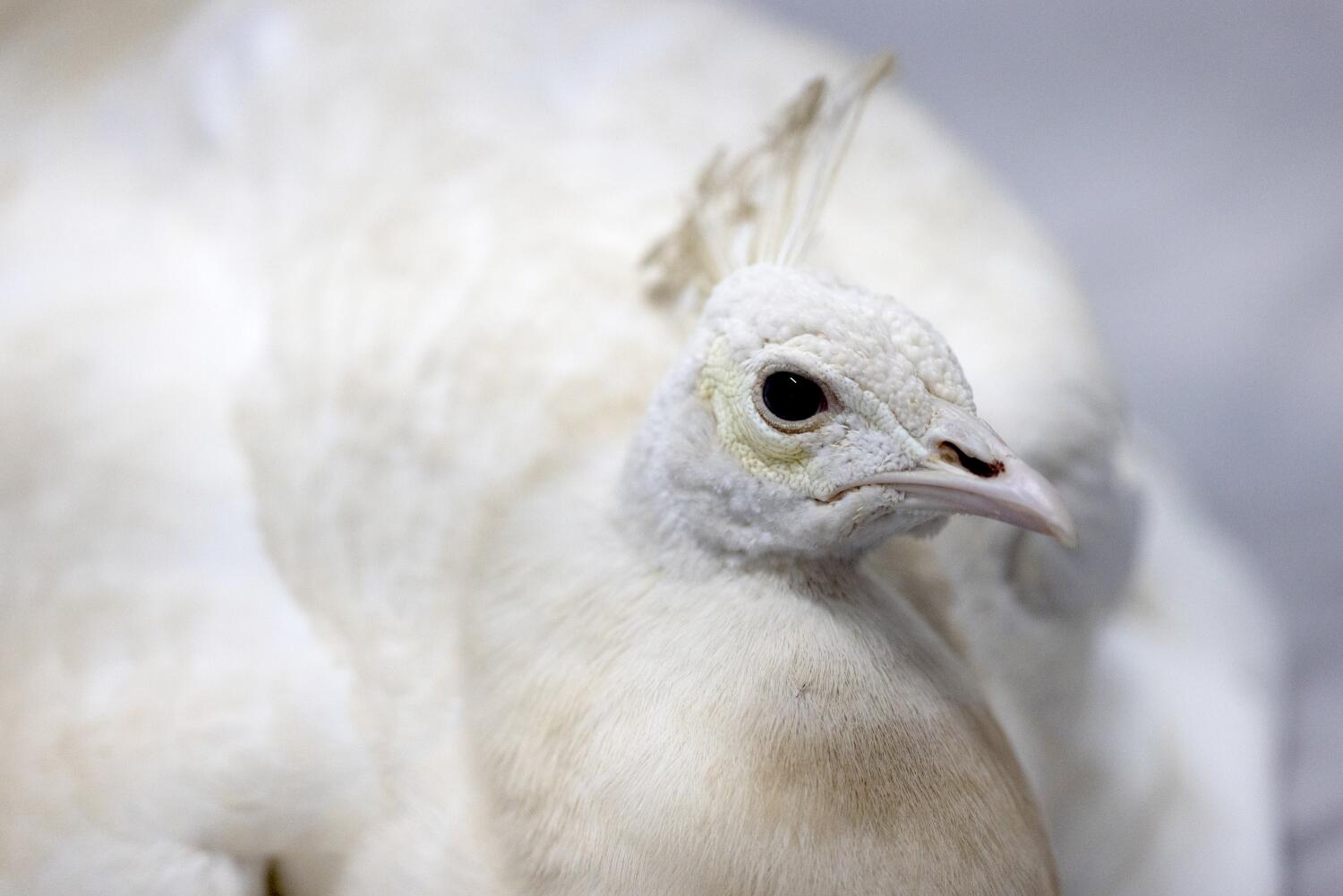
Another viral video has hit the internet, and the pitchforks are out in Pasadena. The outrage machine is spinning at maximum velocity over a postal worker who allegedly struck a local peacock. Neighbors are clutching their pearls, animal rights activists are demanding blood from the United States Postal Service, and the standard brigade of keyboard warriors is screaming for termination and public shaming.
Everybody wants to play protector. Nobody wants to look at the root cause.
Let us get something straight right out of the gate. I have spent enough time navigating municipal code disputes and suburban wildlife management to know a manufactured crisis when I see one. The standard narrative is lazy, predictable, and fundamentally dishonest. People love to project their romanticized Disney fantasies onto aggressive, destructive, invasive pests.
Peacocks are not magical woodland creatures minding their own business. They are loud, heavy, destructive, territorial nightmares with zero natural predators in Southern California suburbs, an insatiable appetite for manicured landscaping, and a mating call that sounds like a rusted hinge on a medieval torture device echoing at four in the morning.
The Myth of the Innocent Suburban Sanctuary
The lazy consensus in every mainstream report on this incident paints a picture of a peaceful neighborhood abruptly shattered by a rogue mail carrier waging a personal war against innocent wildlife. That framing is garbage.
To understand why this happens, you have to look past the three-second clip circulating on social media. Mail carriers walk fixed routes in Pasadena every single day, often weighed down by heavy bags, racing against strict delivery windows under brutal heat. Now, drop a territorial, fifteen-pound male bird into that equation during breeding season. Peacocks do not scurry away. They challenge humans. They block walkways, charge at moving objects, and possess a sharp beak and spurs capable of inflicting serious punctures.
When a postal worker defends themselves or attempts to clear an aggressive animal blocking a federal delivery route, the neighborhood mobs come out of the woodwork. They feed the birds, they protect the birds, and then they act shocked when the local fauna treats the entire block as its personal kingdom.
"We have created an urban ecosystem where humans refuse to bear any friction from nature, yet refuse to stop inviting it into our living rooms."
The Real Cost of Animal Romanticism
Let us talk about liability and municipal failure. Cities like Pasadena have spent decades coddling these birds because local homeowners enjoy the aesthetic until a car totals itself swerving to avoid one or a roof gets ruined by acidic droppings.
When you allow an invasive species to multiply unchecked in a densely populated residential zone, you create a powder keg. Postal workers are federal employees executing a public service. They are not animal handlers, and they are not paid hazard pay to run a gauntlet of angry poultry.
If you want to point fingers, stop blaming the person delivering your junk mail and start looking at local ordinances that treat property damage and public nuisance as charming local quirks.
- The Feeding Problem: Residents drop seed on lawns, attracting flocks and destroying the natural flight-or-fight response of wild animals.
- The Infrastructure Illusion: Suburban streets were not designed to double as wildlife reserves without proper population control.
- The Social Media Trap: Outrage clips strip away context to farm clicks, sacrificing nuance for emotional manipulation.
What Happens When We Refuse to Manage Nature
Imagine a scenario where cities actually enforced nuisance laws against homeowners who treat wild pests like backyard pets. The peacock population would stabilize, delivery workers could finish their shifts without dodging angry territorial birds, and the local news cycle could report on actual issues instead of manufacturing hysteria over a bird getting swatted away from a mail satchel.
We are addicted to micro-outrage because facing complex structural problems requires actual effort. Dealing with invasive species management means having uncomfortable conversations about culling, relocation costs, and personal responsibility. It is much easier to watch a clipped video on a phone screen, type out an angry comment demanding a firing, and feel like a righteous crusader for justice.
The postal worker did not start this war. The residents who traded common sense for a picturesque postcard aesthetic did.
Next time a viral clip drops from your local neighborhood group, turn off your emotions for ten seconds and ask yourself who benefits from the hysteria.
Stop feeding the birds. Start managing the environment. And leave the mail carriers alone.