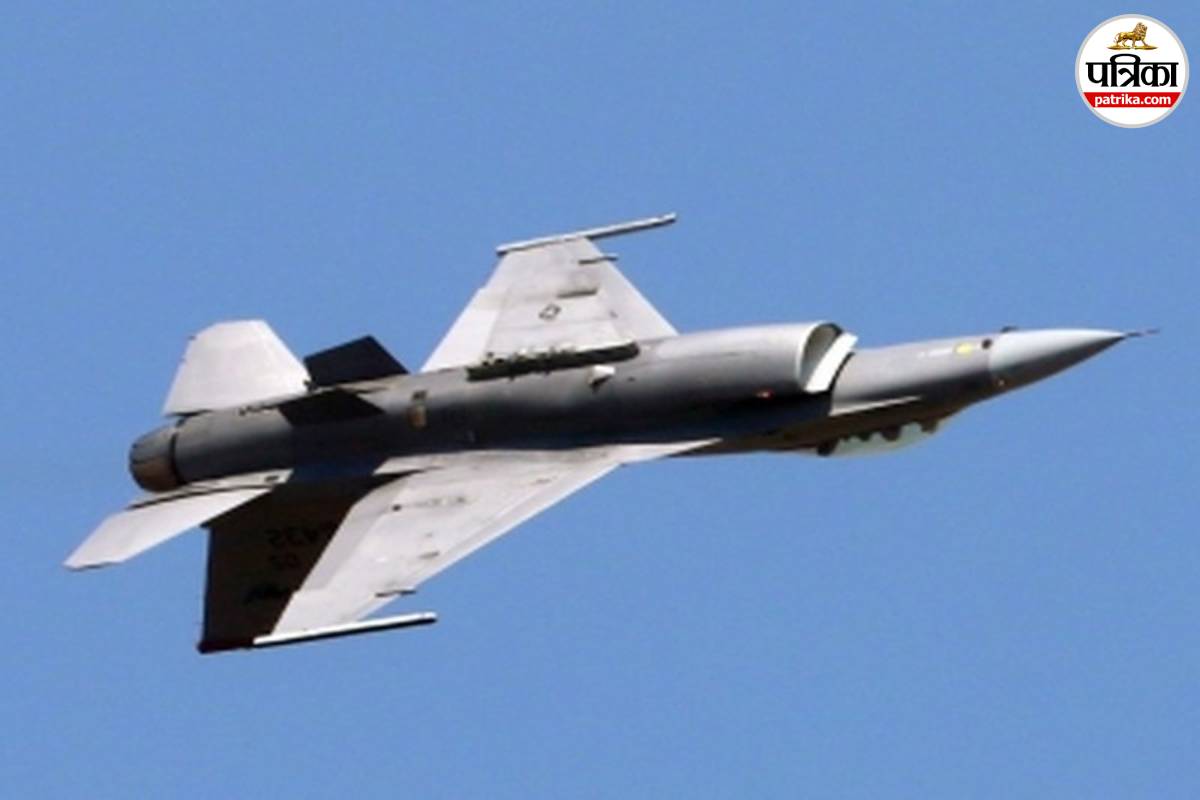
Every time a stray Russian drone wanders near a NATO border and gets swatted out of the sky, defense analysts lose their minds. The mainstream media rushes to paint every intercepted piece of plastic and fiberglass as the opening salvo of World War Three. Romania scrambling F-16 fighters to deal with incursions over the Black Sea gets packaged as a heroic defense of Western civilization.
It is nothing of the sort.
The lazy consensus says that direct military friction between NATO members and Russian hardware spells an inevitable escalation spiral. That view ignores how modern deterrence works. Intercepts are not accidental triggers for global conflict. They are calculated administrative housekeeping.
Let us look at the actual mechanics of what happened over the Black Sea. We are not watching the prelude to an armored push across the Danube. We are watching a border patrol exercise inflated by media hunger for panic.
The Economics of Shooting Scrap Metal
An F-16 Fighting Falcon flying a live interception mission costs thousands of dollars per flight hour in fuel, maintenance, and pilot depreciation. The Iranian-designed Geran-2 drones Russia frequently uses cost a fraction of a used hatchback.
When a NATO air force spends millions in operational overhead to vaporize cheap loitering munitions, the adversary is winning a war of economic attrition long before the debris hits the water. Defense bureaucrats love to celebrate the tactical success of the radar lock and the missile strike. They conveniently ignore the balance sheet.
I have watched defense contractors and procurement officers burn fortunes on gold-plated intercept solutions while ignoring basic supply chain realities. Every time an F-16 takes off to clear Romanian airspace, budget dollars vanish into thin air for a threat that often poses zero risk to populated landmasses.
- The Unit Cost Trap: Intercepting low-cost drones with high-end fighter jets is a financial loss every single time.
- The Radar Noise Problem: Black Sea airspace is saturated with commercial traffic, reconnaissance flights, and civilian shipping transponders. Sorting a low-altitude drone out of that electronic soup is difficult, expensive, and prone to false alarms.
- The Deterrence Myth: Moscow does not alter its strategic calculus because Bucharest scrambles a jet. These flights are routine friction points, not existential turning points.
Why NATO Tolerates the Noise
Look past the breathless television chyrons. NATO capitals want these incursions documented, tracked, and occasionally intercepted precisely because it validates current defense spending levels.
If nothing happens in the Black Sea, defense ministers have a harder time justifying multi-billion-dollar modernization bills to domestic taxpayers. A stray drone crossing an air defense identification zone is a convenient political gift. It keeps the threat matrix fresh without crossing the threshold of Article Five.
Imagine a scenario where NATO simply ignored low-flying reconnaissance drones that drifted three kilometers past the maritime border over empty water. The sky would not fall. Intelligence agencies would harvest the telemetry signal, maritime traffic would keep moving, and the panic cycle would starve for oxygen.
Instead, we get theater.
"We are not preventing an invasion by scrambling jets against stray drones. We are performing for an audience that mistakes noise for security."
The Real Danger is Complacency in Logistics
While commentators obsess over pilot heroics and fighter jets breaking sound barriers, the actual military vulnerabilities sit completely ignored on the ground.
Air defense is not about single dramatic moments caught on thermal cameras. It is about resilient command structures, electronic warfare redundancy, and logistics pipelines that do not break under sustained operational tempo. Romania and its regional partners are burning through high-end missile stocks to solve a low-end saturation problem.
If a real peer-level conflict ever kicked off in Eastern Europe, the current habit of burning advanced air-to-air inventory on simple drones would leave airbases dangerously dry within the first week.
Stop treating every border blip as an apocalypse. Stop cheering for fiscal inefficiency disguised as strength. The real threat is not a lost drone drifting over the waves. The real threat is a defense establishment too blind to see that it is being played by the cheapest weapons on the battlefield.
Next time a fighter jet launches over the Black Sea, check who is paying for the fuel before you panic.