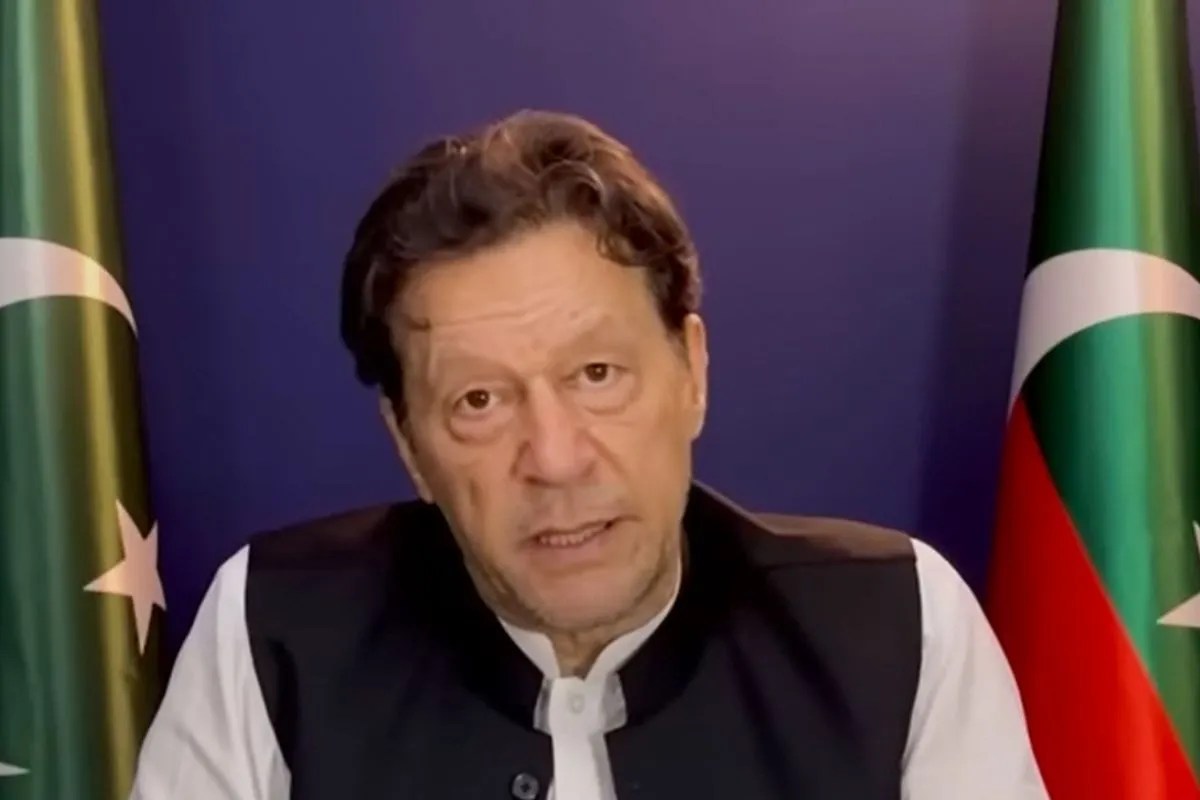
Is the bitter standoff between Pakistan's most famous prisoner and the military finally cooling down? Recent statements from inside the Pakistan Tehreek-e-Insaf camp suggest a softer approach toward Army Chief General Asim Munir.
For years, the political atmosphere in Islamabad has been electric with hostility. Ever since his ouster and subsequent arrest, Imran Khan has traded heavy blows with the military leadership. He hasn't minced words, calling top commanders harsh names from his cell in Adiala Jail. Yet, a recent legal breakthrough and fresh remarks from close aides hint at a different strategy.
The Shift in Rhetoric from PTI Insiders
Zulfikar Bukhari, a prominent spokesperson and close confidant of the jailed former prime minister, recently dropped heavy hints during media interviews. He stated that if Khan were to walk free tomorrow, he wouldn't engage in destructive retaliation against the state or the military.
Instead, the narrative frames the establishment as an institution capable of extending a healing hand.
- Controlling the Hurt: Aides argue that true leadership means swallowing personal pain for the broader stability of the nation.
- Avoiding Direct Conflict: The updated stance suggests that going toe-to-toe with the army leadership serves no constructive purpose for the country's future.
- A New Ray of Hope: Recent judicial interventions have sparked optimism among party members that legal battles might finally yield results.
This tonal shift doesn't mean backdoor meetings are actively underway. Both sides maintain official distances. Still, softening the public rhetoric marks a massive departure from the fire-and-brimstone speeches that defined the opposition's strategy over the past few years.
Judicial Pressures and Hospital Transfers
The changing dynamics follow crucial interventions by Pakistan's Supreme Court. When the apex court ordered authorities to transfer the 73-year-old former cricket star out of standard prison confinement and into a private hospital for medical care, analysts took notice.
This isn't just about healthcare. It serves as a pressure release valve in a tightly wound political ecosystem.
Courts have slowly chipped away at several convictions, suspending or overturning rulings that kept Khan locked away behind multiple legal hurdles. Even though numerous charges remain on paper—ranging from state gift controversies to allegations tied to violent protests—the legal momentum has shifted perceptibly.
Can a Fractured Party Negotiate Effectively?
Skeptics point out a glaring problem with any prospective reconciliation. Khan remains locked away in near-isolation, while large portions of his party's operational infrastructure have faced heavy crackdowns.
When top leaders stay hidden or operate from exile, coordinating a unified front becomes exceptionally difficult. Regional analysts often question whether exterior party representatives hold enough authority to cut a lasting deal without direct sign-off from Khan himself.
Furthermore, the state apparatus has spent years consolidating power, pushing constitutional amendments, and strengthening the command structure. General Asim Munir sits firmly at the helm of the country's most powerful institution. Expecting a sudden, effortless handshake between two historic adversaries ignores the sheer depth of institutional distrust built over years of political turbulence.
What Happens Next on the Ground
Despite talks of a softer approach, the party isn't dropping its street mobilization plans. Leadership has committed to moving forward with major political demonstrations, demanding unhindered medical access, regular court hearings, and the ultimate liberation of their leader.
If the government permits the court-ordered hospital transition without fresh legal hurdles, it could signal a tacit agreement to dial down the temperature. If resistance continues, expect the cycle of protests and crackdowns to resume with full force. Watch how authorities handle the upcoming mobilization dates, because that will tell you everything you need to know about whether peace is truly on the horizon.