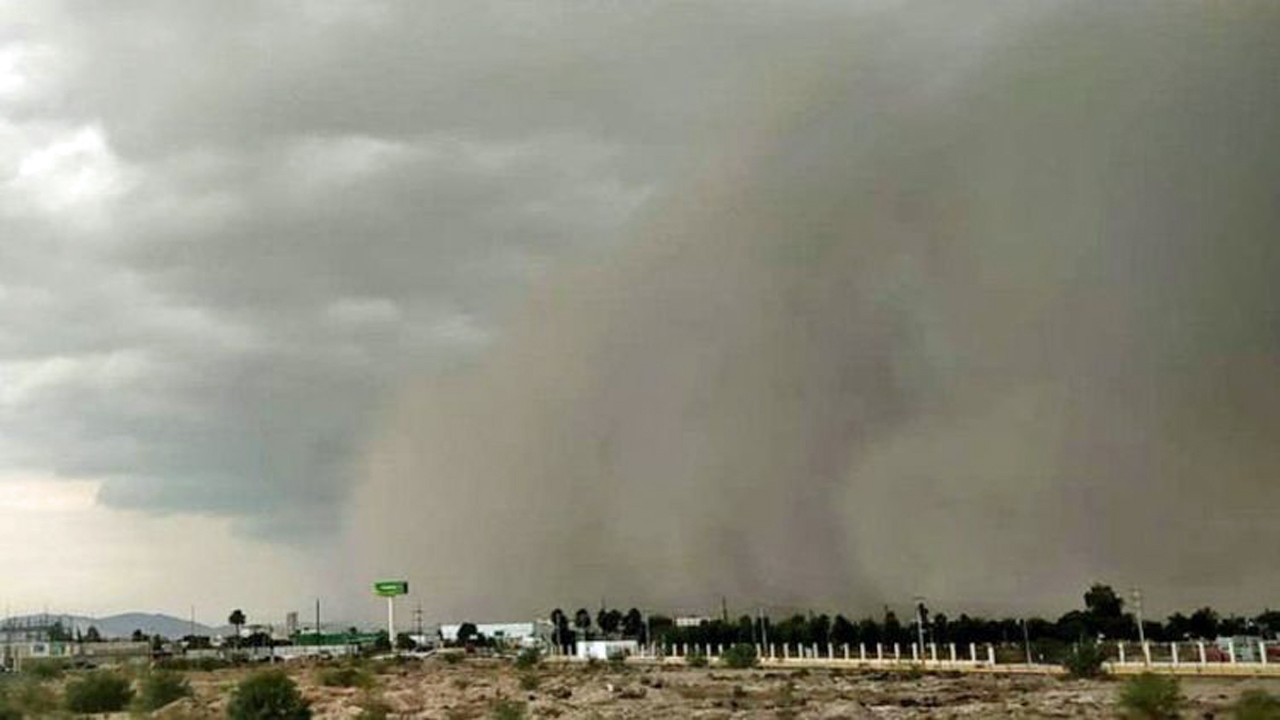
The air at the Torkham border crossing does not carry the scent of diplomacy. It smells of diesel exhaust, scorched earth, and the metallic tang of old dust. For months, the iron gates between Pakistan and Afghanistan have functioned less like a gateway and more like a valve that keeps getting stuck. Thousands of trucks, laden with everything from rotting pomegranates to life-saving pharmaceuticals, have sat idling in queues that stretch miles back into the jagged mountains.
Behind the steering wheel of one of those trucks sits a man we will call Ahmad. He is a hypothetical composite of the thousands of drivers who live their lives in the crossfire of maps. Ahmad is not a politician. He does not care about the fine print of security protocols or the ideological shifts in Kabul. He cares that his cargo of perishable grapes is turning into vinegar under the relentless sun. Every hour the border remains closed due to the latest skirmish or policy dispute, his family’s survival shrinks.
For the better part of a year, this has been the pulse of the region: a stuttering, irregular heartbeat. Border closures, sporadic gunfire, and a deepening chill in relations have turned a necessary partnership into a standoff. But recently, the scene shifted from the dusty ridges of the Hindu Kush to the polished, climate-controlled halls of a conference center in China.
The Dragon as the Arbiter
China does not intervene for the sake of sentiment. Their involvement is rooted in the hard, cold logic of geography. To understand why Beijing would host a trilateral meeting to patch the frayed edges of the Pakistan-Afghanistan relationship, you have to look at a map through the eyes of a builder.
Imagine a massive, interconnected nervous system of highways and pipelines—the Belt and Road Initiative. Pakistan is the vital organ through which this system breathes, via the China-Pakistan Economic Corridor. But that system cannot function if its neighbor is a vacuum of instability. The Chinese leadership knows that a fire in an Afghan village eventually sends smoke over the Pakistani border.
The talks in Beijing weren't just about handshakes. They were about the "three evils" as China defines them: terrorism, separatism, and extremism. For Pakistan, the frustration has reached a boiling point. They point to the Tehrik-i-Taliban Pakistan (TTP), claiming the group uses Afghan soil as a sanctuary to launch attacks that have claimed the lives of soldiers and civilians alike. Afghanistan’s interim government, meanwhile, bristles at the pressure, struggling to manage a crippled economy while demanding respect for their sovereignty.
When Geography Becomes a Prison
The tragedy of the Durand Line—the 2,600-kilometer border—is that it bisects families, tribes, and histories. When the "big men" in Islamabad and Kabul argue, the people in the borderlands lose their right to exist.
Consider the "Chits." For decades, residents of border towns could cross with simple permits. When security tightened and those permits were revoked in favor of strict passport and visa requirements, the local economy didn't just slow down. It died. A shopkeeper in Chaman, Pakistan, who used to buy his bread from a baker five hundred yards away in Spin Boldak, Afghanistan, suddenly found himself separated by a geopolitical chasm that might as well have been the Atlantic Ocean.
This is the human cost that dry news reports often miss. They speak of "bilateral trade volume" and "security frameworks." They rarely speak of the grandmother who cannot visit her grandson’s wedding because she lacks a biometric passport she can’t afford.
The Beijing meetings aimed to bridge this gap by focusing on "functional cooperation." It is a sterile term for a desperate need. It means finding a way to let the trucks move even while the generals argue. It means recognizing that neither nation can afford to be an island.
The Shadow of the TTP
The elephant in every room where these three nations meet is the TTP. For Pakistan, this is a non-negotiable security threat. The surge in violence within Pakistani borders has created a domestic climate of fear and a political necessity for action.
The narrative from Kabul has remained consistent: they claim they do not allow their territory to be used against neighbors. Yet, the reality on the ground is far more porous. The border is a labyrinth of caves, ridges, and ancient smuggler paths. Controlling it is an exercise in futility without total, honest cooperation between the two sides.
China’s role here is to act as the "honest broker," though their honesty is backed by the weight of their treasury. They are offering a carrot—infrastructure, investment, and a seat at the regional table—while holding the stick of diplomatic isolation. They want to see the Afghan Taliban take "verifiable" steps against militant groups. In exchange, they offer the possibility of a transition from a pariah state to a trade hub.
A Fragile Thaw in a Hard Winter
Does a meeting in China change the life of Ahmad, our truck driver?
Not immediately. The gates at Torkham don't swing open just because a communiqué was signed in a distant capital. Progress in this part of the world is measured in inches, not miles.
However, the shift in tone is significant. For months, the rhetoric between Islamabad and Kabul was one of ultimatums and accusations. By moving the conversation to a third-party venue, both sides were given a face-saving way to de-escalate. They agreed to enhance "thematic cooperation"—a fancy way of saying they will start talking about the small things, like trade and health, in hopes that it leads to a breakthrough on the big things, like terrorism.
There is a profound irony in the fact that the most modern superpower is mediating a dispute over one of the most ancient borders on earth. It is a collision of futures and pasts.
We often think of international relations as a game of chess played by titans. But in the mountain passes of the borderlands, it is more like a game of Jenga. Every move is delicate. One wrong pull—a misunderstood border skirmish, a hot-headed commander, a sudden policy shift—and the whole tower of regional stability wobbles.
The stakes are invisible until they are not. They are invisible when they are just numbers on a trade ledger. They become visible when a suicide vest detonates in a Peshawar mosque or when a child in a Kandahar clinic dies because the medicine was stuck in a shipping container at the border for three weeks.
The talks in China were a recognition that the "stuttering heartbeat" of the region cannot continue indefinitely. Either the two neighbors find a way to coexist, or they will both be consumed by the friction of their contact.
As the sun sets over the Hindu Kush, the long line of trucks remains. Some engines roar to life, testing the air, waiting for the signal that the gate might move. The drivers share tea, sitting on the dusty ground, talking about the weather and their children. They are waiting for the world to catch up to the simple reality they already know: you cannot live with your hand around your neighbor’s throat forever. Eventually, you both need to breathe.
The mountains do not care about the treaties signed in Beijing. They have seen empires come and go, and they have seen a thousand such meetings disappear into the mist. But for the people living in their shadow, this moment of diplomacy is the only thin thread of hope they have left. It is a fragile silence, but in a land defined by the roar of conflict, silence is a start.