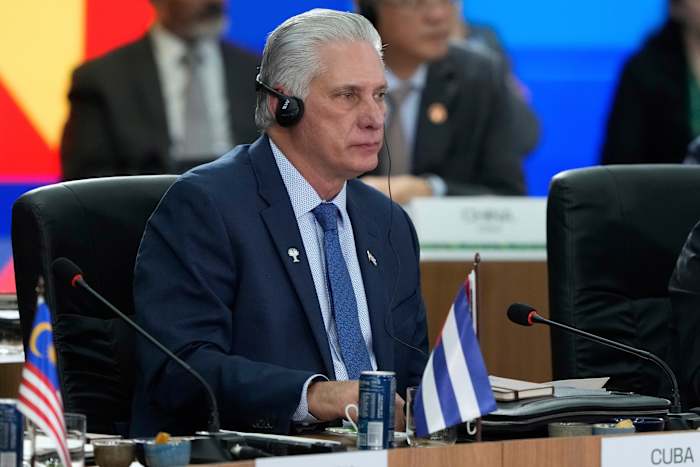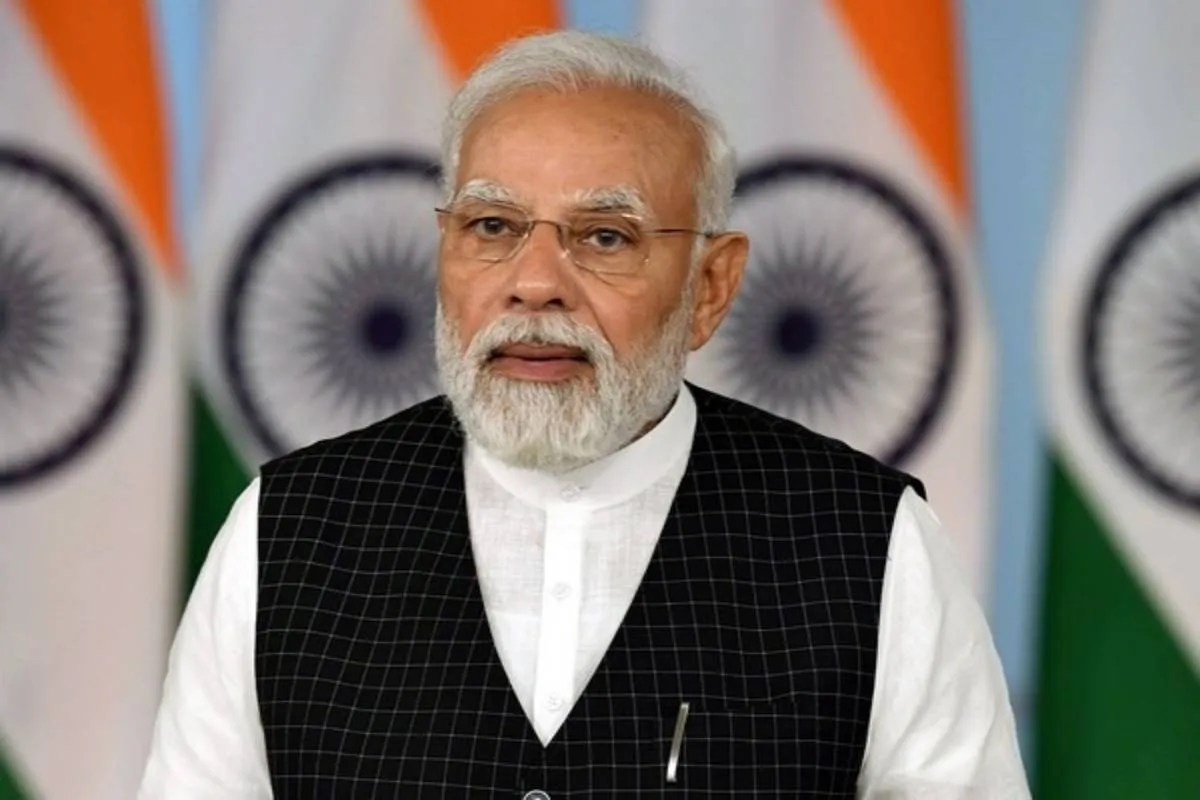
Prime Minister Narendra Modi’s high-stakes phone call to Kuwait’s Crown Prince Sheikh Sabah Al-Khaled Al-Hamad Al-Mubarak Al-Sabah on March 18, 2026, was not merely a gesture of Eid greetings. It was an urgent diplomatic maneuver to safeguard India’s crumbling energy corridor and the lives of nearly one million Indian nationals caught in the crossfire of the intensifying Iran-Israel conflict. With the Strait of Hormuz effectively blockaded and Iranian drones targeting Gulf energy infrastructure, New Delhi is facing its most significant geopolitical crisis in decades, one that threatens to choke its economy and trigger a domestic energy famine.
The Hormuz Chokehold and the LPG Crisis
The primary driver behind this sudden diplomatic flurry is the literal survival of the Indian kitchen. India is the world’s second-largest importer of Liquefied Petroleum Gas (LPG), and a staggering 80% of its gas supplies pass through the Strait of Hormuz. Since the conflict escalated in late February 2026, Iran’s Revolutionary Guard has throttled this maritime artery, leaving tankers stranded and forcing the Indian government to invoke emergency powers to prevent a nationwide shortage.
In his conversation with the Crown Prince, Modi emphasized that "ensuring safe and free navigation through the Strait of Hormuz remains our foremost priority." This is not an abstract policy goal. It is a desperate plea to keep the blue flame burning in hundreds of millions of Indian homes. While the government officially claims a 30-day buffer, the reality on the ground is different. Long queues have already begun forming at distribution centers in states like Kerala and Jammu & Kashmir.
The Kuwaiti Connection
Kuwait occupies a unique position in this chaos. Unlike some of its neighbors, it has been a victim of direct territorial violations during this recent escalation. Modi’s explicit "condemnation of attacks on Kuwait’s sovereignty" serves a dual purpose. It solidifies a strategic alliance with a key oil supplier while signaling to Tehran that India will not remain a silent spectator if its primary energy partners are dismantled.
- Energy Stakes: Kuwait remains a top-tier energy supplier, and any disruption to its production facilities—already under threat from drone strikes—would be catastrophic for India’s refining sector.
- The Diaspora Factor: There are approximately 900,000 Indians in Kuwait, making up nearly 30% of its total workforce. They are not just employees; they are the backbone of the Kuwaiti economy and a vital source of foreign exchange for India.
Why a Mass Evacuation is Off the Table
The elephant in the room that no official wants to discuss is the sheer impossibility of a "Vande Bharat" style evacuation in the current climate. In 1990, India famously evacuated 170,000 people from Kuwait. Today, there are nearly 10 million Indians spread across the Gulf Cooperation Council (GCC) nations.
Veteran diplomats and former ambassadors have quietly admitted that a full-scale evacuation in a hot war scenario is a logistical nightmare that India cannot win. The current strategy, as seen in Modi’s outreach to Kuwait, Saudi Arabia, and the UAE, is one of containment and localized relocation. Instead of bringing everyone home, the Ministry of External Affairs is facilitating internal movement—moving citizens from high-risk zones in Kuwait and Qatar toward the safer hinterlands of Saudi Arabia or Oman.
The cost of failure here is astronomical. These 10 million workers send back roughly $50 billion in annual remittances. If the war drags on and these workers are forced to return en masse, India won't just lose its energy security; it will face a fiscal cliff that could devalue the Rupee and stall the "Viksit Bharat" growth engine for a generation.
The Failure of Neutrality
For years, India’s foreign policy has relied on the comfortable cushion of "strategic autonomy." We were friends with everyone—Israel, Iran, and the Arab monarchs. But the events of March 2026 have exposed the frailty of this fence-sitting.
As Iran targets US-allied infrastructure in Kuwait and the UAE in retaliation for Israeli strikes, India is being forced to choose. The Prime Minister’s recent calls suggest a subtle but definitive tilt toward the Gulf monarchs. While New Delhi continues to use "dialogue and diplomacy" as its public mantra, its actions—including the refusal to join the US-led naval coalition while simultaneously condemning Iranian-linked attacks on sovereignty—show a country trying to protect its assets without picking a fight it can't finish.
Regional Ripple Effects
| Country | Indian Population | Primary Concern |
|---|---|---|
| Kuwait | 900,000 | Sovereignty violations and energy infrastructure hits |
| UAE | 3.5 Million | Drone strikes on LNG hubs and aviation safety |
| Iran | 10,000 | Safety of students and merchant mariners in the Strait |
| Saudi Arabia | 2.5 Million | Stability of the primary alternative land route for oil |
The Human Cost of Shipping
The maritime industry has already felt the sting. India has confirmed the death of two mariners, with another missing following attacks on merchant vessels. These are not military targets, but the "collateral damage" of a proxy war turned hot.
Modi’s insistence on "sustained diplomatic engagement" during his talk with the Crown Prince is a coded message to the international community. India is essentially stating that it cannot afford a regional war. The Indian economy is too deeply integrated into the Gulf for it to survive a prolonged closure of the shipping lanes. Every day the Strait of Hormuz remains contested, India loses millions in trade and spends millions more on inflated insurance premiums for its cargo.
The call to Kuwait was a tactical move in a much larger, uglier game. It was about ensuring that when the dust settles, the flow of oil, gas, and people remains intact. But as drones continue to hum over the Persian Gulf, the window for a peaceful resolution is closing. India must now decide if its "strategic autonomy" is worth the price of a darkened kitchen and a stalled economy.
Prepare for a significant hike in domestic fuel and gas prices as the government begins to pass on the rising costs of "secured" shipments to the consumer.