The United States is currently executing a high-stakes diplomatic squeeze, pressuring global allies to move beyond symbolic gestures and fully blacklist the Islamic Revolutionary Guard Corps (IRGC) and Hezbollah. This is not merely about labeling. It is a calculated attempt to dismantle a multi-billion dollar parallel economy that operates through legitimate European and Asian banking systems. By forcing allies to designate these groups as terrorist entities in their entirety, Washington aims to trigger a cascade of legal and financial freezes that would, in theory, choke off the oxygen for proxy operations across the Middle East.
For years, a "political wing" versus "military wing" distinction allowed many nations to maintain a comfortable middle ground. They could condemn violence while keeping the doors open for trade and back-channel diplomacy. The Trump administration has effectively declared that distinction a fiction. From a boots-on-the-ground perspective, the money used to build a school in Beirut is indistinguishable from the money used to procure GPS-guidance kits for rockets when it all flows from the same central treasury.
The Architecture of the Shadow Economy
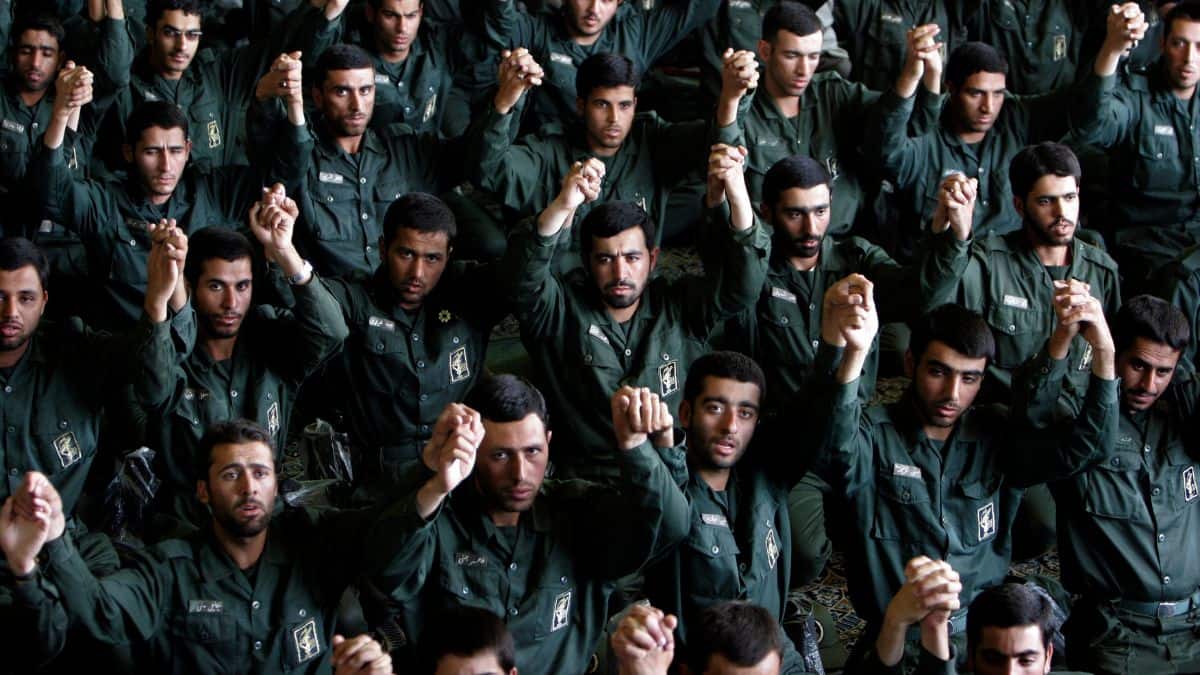
To understand why this blacklist push matters, one must look at how the IRGC operates. It is not just a branch of the Iranian military; it is a conglomerate. It controls construction firms, telecommunications giants, and shipping companies. When an ally refuses to blacklist the IRGC, they aren't just allowing a political group to exist; they are allowing a massive holding company to use their ports and banks.
Hezbollah operates with a similar, albeit more fragmented, model. While the IRGC functions like a state-run corporation, Hezbollah functions like a global franchise. It taps into the Lebanese diaspora, using money exchange houses and used-car export businesses from West Africa to South America to move capital. When these groups are not blacklisted, their agents can open bank accounts and register shell companies with relative ease. A full designation changes the risk calculus for every compliance officer at every mid-sized bank in Frankfurt, Paris, or Tokyo.
The Friction of Sovereignty
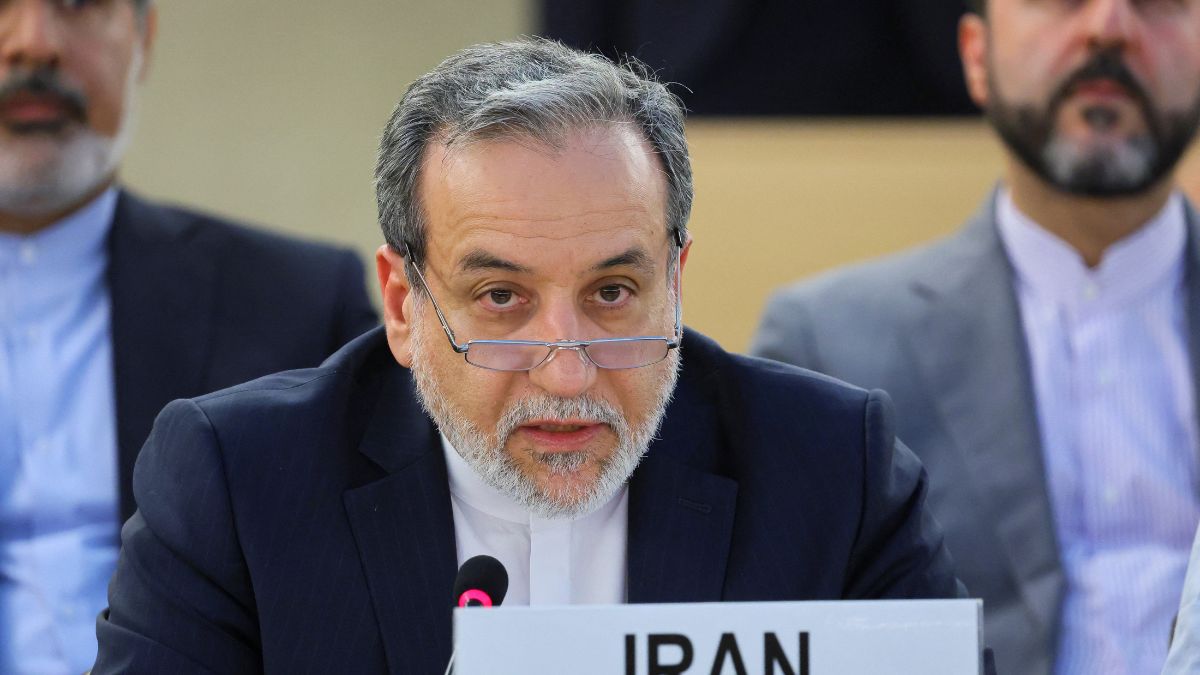
The push for a unified blacklist has met significant resistance, particularly in Europe. The European Union has long been wary of "maximalist" American foreign policy, fearing that total isolation of these groups will lead to a collapse of the Lebanese state or a total breakdown of the Iran nuclear deal.
European diplomats often argue that maintaining a line of communication with Hezbollah’s political representatives is a "necessary evil" for Lebanese stability. Washington's counter-argument is simpler: stability bought with the silence of a shadow army is not stability at all; it is a hostage situation. By pressuring allies, the U.S. is forcing a choice between the American financial system and the crumbs of trade left with sanctioned entities.
The Technological Front of the Blacklist
The modern blacklist is not a paper ledger. It is a digital filter. When a country adds the IRGC or Hezbollah to its domestic terror list, that data is instantly ingested into Know Your Customer (KYC) and Anti-Money Laundering (AML) software used by the global financial industry.
Banks utilize sophisticated graph database technology to map out connections. If a company in Dubai is three degrees of separation away from an IRGC-linked general, the software flags the transaction. However, these tools are only as effective as the legal mandates behind them. If the UK or Germany only blacklists the "military wing," the software is programmed to ignore entities associated with the "political" or "social" branches. This creates a massive loophole.
Washington is leveraging the dominance of the U.S. dollar to turn these digital filters into a global dragnet. Since almost all international trade eventually touches a U.S. clearing bank, the Treasury Department can penalize foreign banks that do business with these groups, even if their own governments haven't blacklisted them yet. This is "extraterritoriality" in action, and it is the primary source of tension between the U.S. and its closest allies.
The Blowback of Total Isolation
Critics of the blacklist strategy point to a historical pattern of "sanction fatigue" and the professionalization of smuggling. When you push a massive organization like the IRGC entirely out of the formal economy, they don't simply disappear. They go underground. They adopt cryptocurrency, they use physical hawala networks that leave no digital trail, and they deepen ties with organized crime syndicates.
There is also the risk of regional escalation. Hezbollah is not just an armed group; it is a provider of healthcare and education in parts of Lebanon where the central government is absent. A total financial blockade could trigger a humanitarian crisis that the U.S. and its allies are not prepared to manage. The administration’s gamble is that the pain of the blockade will turn the local population against the group. History suggests this is a coin flip at best.
The Role of Intelligence Sharing
A key component of this diplomatic push is the declassification of intelligence. To convince a skeptical French or Italian government to take the leap, U.S. intelligence agencies are increasingly sharing "packets" of evidence that show how social welfare funds are diverted to weapon procurement.
This isn't just about showing photos of missiles. It’s about showing bank statements. It’s about showing how a specific NGO in the Beqaa Valley transferred funds to a procurement officer in Tehran. This forensic approach to diplomacy is designed to make the "political wing" defense intellectually indefensible.
The Long Game of Financial Attrition
This is a war of attrition played out in spreadsheets and compliance departments. The goal is not a sudden collapse, but a gradual "graying" of the target's operational environment. Every bank account closed and every shipping lane blocked adds a "tax" to the IRGC’s operations. They have to pay more for middlemen, more for insurance, and more for secrecy.
The Trump administration's strategy relies on the belief that even if allies don't like the policy, they will eventually succumb to the reality of the American market. No European bank will risk losing access to the New York Fed to protect a trade relationship with a Lebanese construction firm. The blacklist is the tool, but the U.S. economy is the lever.
Check the registries of any major international shipping hub. Look for the recent delisting of vessels or the sudden change in corporate ownership of firms operating out of the Persian Gulf. You will see the fingerprints of this pressure campaign everywhere. It is a quiet, grinding form of conflict that happens far from the front lines but dictates the flow of power in the modern world.
The next time you see a headline about a diplomatic spat over a terror designation, remember that it isn't a debate about definitions. It is a fight over who gets to use the global plumbing of the 21st century.
Demand that your local representatives clarify their stance on the distinction between political and military wings of these organizations to see where the local financial loopholes currently exist.