The current friction between the Islamic Republic of Iran and United States interests in the Middle East is not a series of isolated rhetorical outbursts; it is a calculated exercise in Escalation Dominance. When Iranian leadership rejects ceasefire proposals and promises "lessons for the ages," they are communicating a specific shift in their strategic calculus. This shift moves away from "Strategic Patience"—a doctrine of absorbing low-level strikes to preserve long-term nuclear or regional gains—toward a doctrine of Compellence. Under this framework, the objective is no longer to avoid conflict, but to increase the projected cost of American intervention until it exceeds the perceived benefit of maintaining a regional presence.
The Triad of Iranian Deterrence
To understand the rejection of a ceasefire, one must decompose the Iranian defense posture into three functional pillars. Each pillar serves as a variable in a broader equation of regional influence.
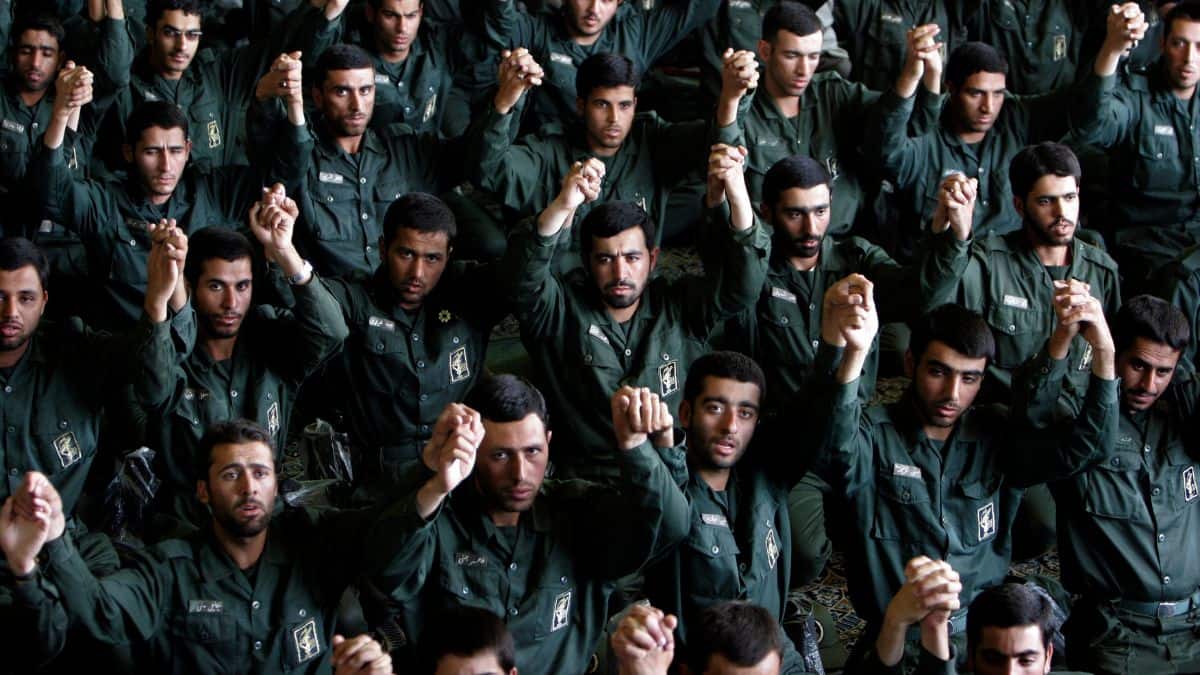
- Forward Defense and Proxy Integration: Iran utilizes a "hub-and-spoke" model where the Islamic Revolutionary Guard Corps (IRGC) acts as the central node for a decentralized network. By rejecting a ceasefire, Tehran signals that its proxy network is currently optimized for sustained attrition. If the US or its allies cannot eliminate the spoke without incurring an asymmetric cost from the hub, the ceasefire holds no utility for Iran.
- The Threshold of Pain vs. The Threshold of War: Iranian strategy operates in the "Gray Zone." They seek to keep kinetic activity high enough to cause political instability for their rivals but low enough to avoid a full-scale conventional invasion. The promise to "make the US regret" is a threat to push the conflict right to the edge of this threshold, betting that the American domestic political environment cannot sustain a new high-intensity theater.
- Domestic Legitimacy through Defiance: For the Iranian leadership, the optics of "resistance" are a primary currency. Accepting a ceasefire during a period of perceived American aggression would represent a "devaluation" of this currency. Rejecting it serves as a signaling mechanism to both internal hardliners and regional partners that the "Axis of Resistance" remains the primary security guarantor.
The Cost Function of Kinetic Aggression
When the Iranian Foreign Ministry speaks of "making the US regret," they are referencing a specific economic and logistical cost function. This is not about winning a conventional battle; it is about making the victory prohibitively expensive for the US.
- Logistical Fragility: The US relies on a few critical nodes (bases in Qatar, Bahrain, and Djibouti) and maritime chokepoints (The Strait of Hormuz and Bab al-Mandab). Iran’s capability to disrupt these via drone swarms or sea mines creates a "risk premium" on all US operations.
- Political Capital Depletion: Kinetic engagement requires the US to shift assets from the Indo-Pacific or Eastern Europe. Iran understands that the US Treasury and the Pentagon are managing a "global deficit of attention." By forcing a focus on the Middle East, Iran extracts a strategic tax on American global flexibility.
- Asymmetric Attrition: A $2,000 Iranian-made Shahed drone requires a $2 million interceptor missile to neutralize. This 1000:1 cost ratio is the fundamental mathematical reality that Tehran is leveraging. Over a long-term engagement, the "interception exhaustion" favors the low-cost producer.
The Ceasefire Paradox: Why Negotiation Fails
A ceasefire is only viable when both parties perceive that the cost of continued conflict is higher than the cost of the concessions required for peace. In the current landscape, this "Zone of Possible Agreement" (ZOPA) does not exist because of two structural misalignments:
The Verification Gap
The US demands "verifiable" cessation of proxy support. For Iran, this is a non-starter because their influence is built on deniability. To verify the end of support would require Iran to expose the very mechanisms of its power, effectively disarming its most potent tool without receiving a symmetrical security guarantee.
The Time-Horizon Discrepancy
Washington often operates on an election-cycle time horizon (2–4 years). Tehran operates on a decades-long revolutionary timeline. The Iranian leadership perceives that they can "out-wait" any specific American administration. This creates a situation where Iran views "regret" as a cumulative effect of years of minor setbacks for the US, rather than a single decisive event.
Behavioral Psychology in Sovereign Signaling
The use of the phrase "lesson for the ages" is a deliberate choice of High-Stakes Signaling. In game theory, this is known as "burning the bridges." By publicly committing to a path of retaliation and rejecting peace talks, the Iranian leadership intentionally limits its own future options. This "irrational" commitment is actually a rational tactic: it tells the opponent that there is no "easy way out," forcing the opponent to be the one to blink or escalate to a level they are unprepared for.
The "regret" mentioned is not necessarily a military defeat. It is the realization by US policymakers that the Middle East has become a "Sunk Cost Trap." The more resources the US pours into stabilizing the region against Iranian influence, the harder it becomes to leave, and the more vulnerable the US becomes to Iranian-led disruptions.
Quantifying the "Aggression" Metric
From the Iranian perspective, "aggression" is defined as any action that threatens the survival of the regime or its regional architecture. This includes:
- Economic Sanctions: Viewed as "total economic war," justifying a kinetic response.
- Targeted Assassinations: Viewed as a breach of sovereign "red lines" that requires a demonstrative counter-escalation to restore deterrence.
- Presence of Naval Task Forces: Seen as a direct coercive tool that must be met with increased naval harassment to signal that the sea is not an uncontested American space.
The Bottleneck of Conventional Superiority
The United States possesses overwhelming conventional superiority. However, this superiority hits a bottleneck when applied to a decentralized adversary. In a conventional "Top-Down" conflict, the US wins by destroying command and control centers. In the current "Bottom-Up" conflict proposed by Iran, there is no single center to destroy. The "lessons" Iran intends to teach are based on the failure of conventional power to solve unconventional problems.
This creates a Response Dilemma:
- Under-reaction emboldens the Iranian network, leading to more frequent attacks.
- Over-reaction plays into the Iranian narrative of "Western Aggression," helping them recruit and consolidate regional power.
- Sustained Presence leads to the "Atrophy of Resources" described in the cost function section.
Strategic Forecast: The Shift to Active Deterrence
We are entering a phase of Active Deterrence. Unlike the Cold War’s "Passive Deterrence," where the goal was to prevent any action, Active Deterrence involves constant, low-level kinetic exchanges to "remind" the opponent of the costs. Iran's rejection of a ceasefire is the formalization of this phase.
Expect the following operational shifts in the coming months:
- Increased Frequency of "Deniable" Maritime Incidents: To maintain pressure on global energy markets without triggering a direct state-on-state war.
- Expansion of the Theatre of Operations: Moving beyond Iraq and Syria into new zones where US assets are thinly spread.
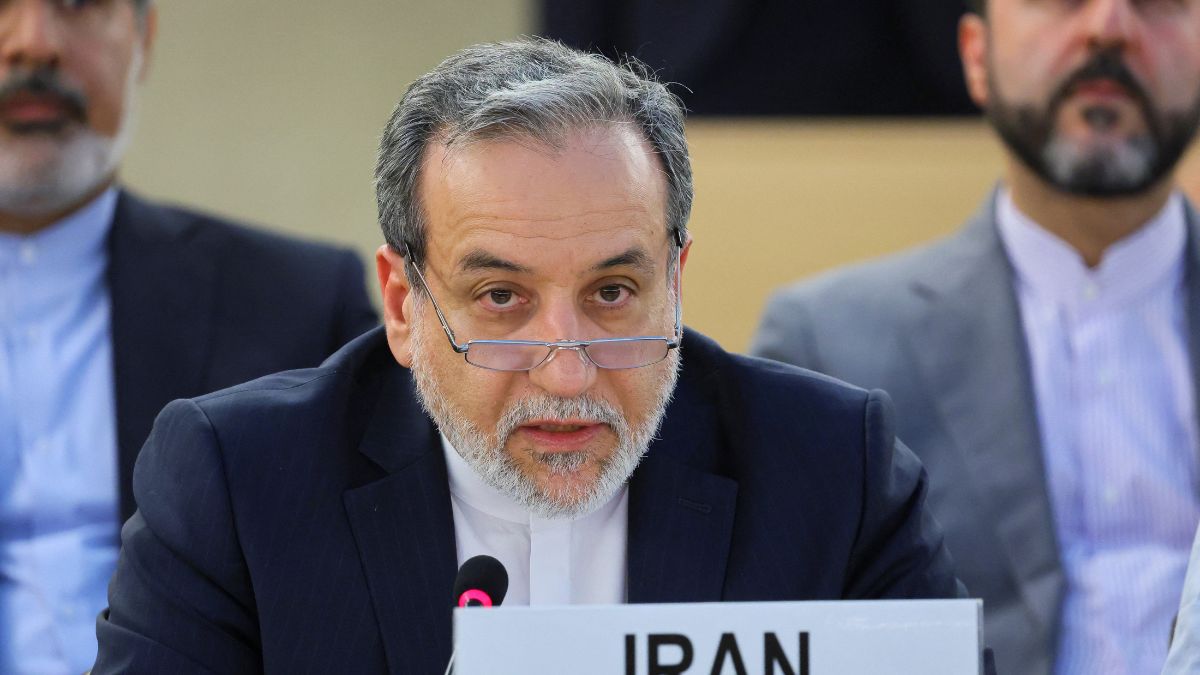
- Weaponization of Diplomacy: Using international forums to frame the US as the primary obstacle to peace, while simultaneously maintaining a high-tempo kinetic posture.
The strategic play for any actor engaging with this reality is to decouple the emotional rhetoric from the underlying structural mechanics. The "regret" Iran seeks to manufacture is a psychological state in the American electorate and leadership—a feeling of futility. To counter this, a strategy must move beyond "responding to incidents" and toward "changing the cost-benefit environment" of the Iranian leadership itself. This requires a transition from reactive defense to a proactive reconfiguration of regional alliances that makes the Iranian "Forward Defense" model an economic liability rather than a strategic asset.