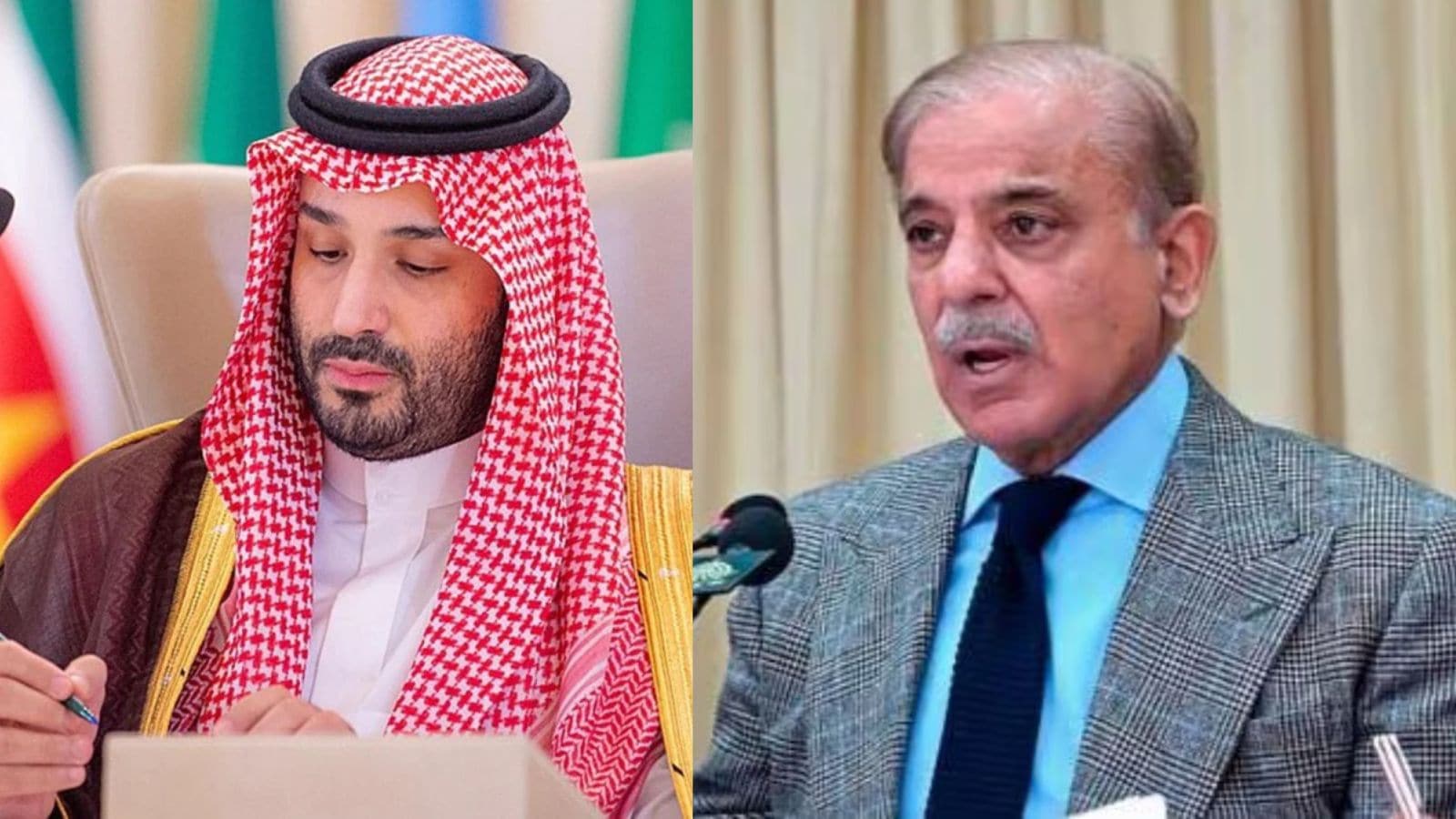
Don't let the polite diplomatic phrasing fool you. When Pakistan’s Prime Minister Shehbaz Sharif picked up the phone to talk to Saudi Crown Prince Mohammed bin Salman on March 25, 2026, he wasn't just exchanging Eid-ul-Fitr greetings. He was delivering a high-stakes progress report on a diplomatic gamble that could either end the West Asia war or drag the entire region into a deeper abyss.
Islamabad is currently acting as the primary postman between a trigger-happy Trump administration and a defiant Tehran. It’s a role most people didn't see coming, especially since Pakistan usually spends its time juggling its own internal crises. But right now, Pakistan is the only player in the room with the specific set of keys needed to unlock this door.
The 15 point plan sitting in Tehran
The heart of this push is a 15-point ceasefire proposal sent by the U.S. to Iran. My sources and recent reports confirm that this document didn't travel via traditional backchannels like Oman or Qatar this time. It went through Islamabad. The plan isn't just a simple "stop shooting" agreement. It covers everything from civilian nuclear cooperation to very specific guarantees for shipping through the Strait of Hormuz.
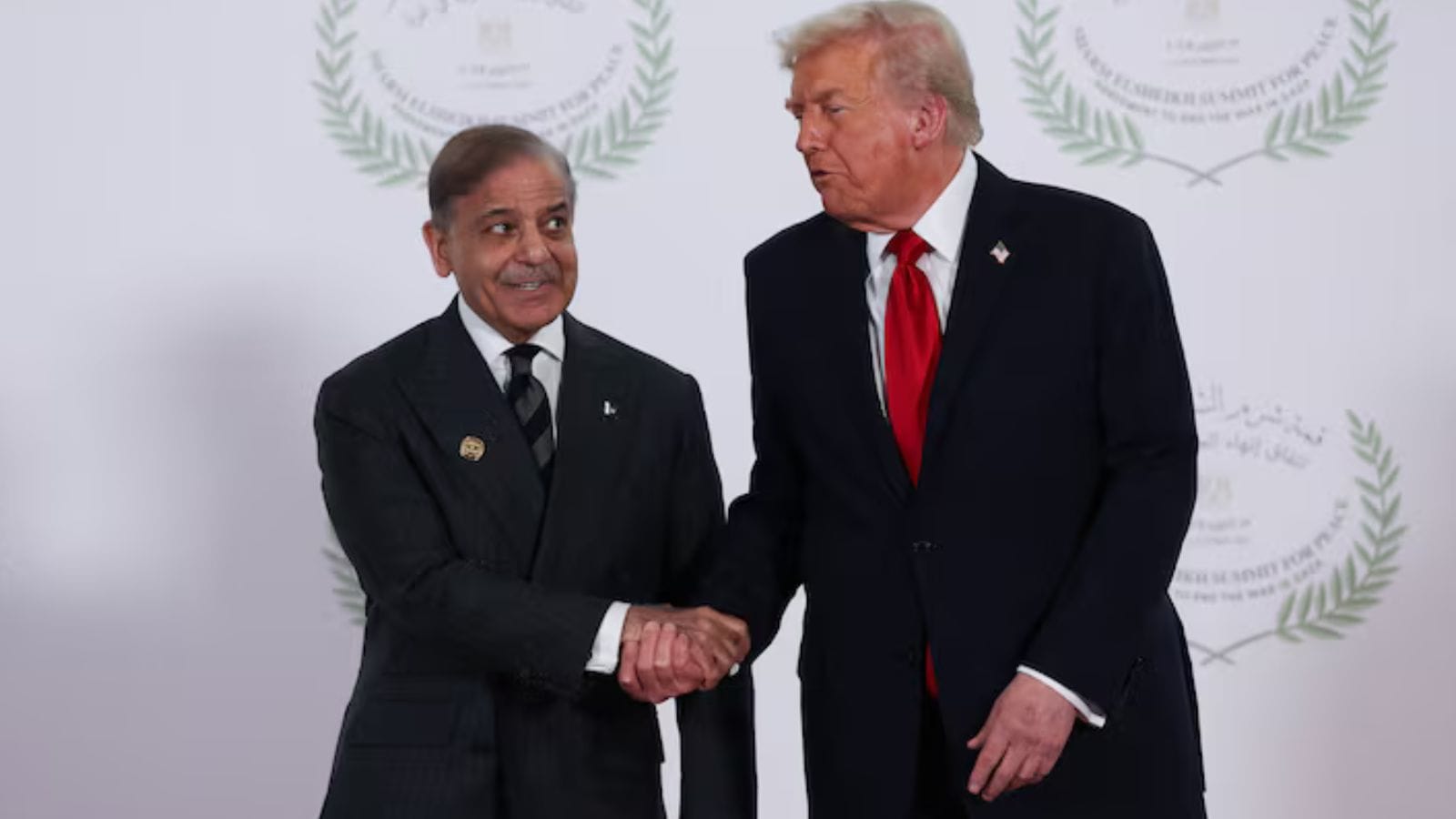
You have to look at the timing here. Just 24 hours before his call with the Saudi Crown Prince, Sharif publicly offered to host "meaningful and conclusive talks" in Pakistan. Within hours, Donald Trump shared that offer on Truth Social. That kind of public alignment between a Pakistani leader and a U.S. President isn't accidental. It's a signal that the groundwork has already been laid.
Why Saudi Arabia is watching so closely
Saudi Arabia has been showing a surprising amount of restraint lately, despite taking hits from Iranian-aligned drone and missile strikes. During their call, Sharif went out of his way to praise this restraint. Why? Because the Kingdom is the ultimate prize in this peace effort. If Pakistan can broker a deal that protects Saudi sovereignty while giving Iran an off-ramp, everyone wins.
Pakistan signed a Strategic Mutual Defense Agreement (SMDA) with Saudi Arabia back in September 2025. That pact basically says an attack on one is an attack on both. This puts Islamabad in a tight spot: it has to support its "brotherly" Saudi allies while keeping its 900-kilometer border with Iran from turning into a front line. Sharif is essentially telling the Crown Prince: "Stay patient, we’re getting the Americans and Iranians to the table so you don't have to go to war."
The Field Marshal in the shadows
While Sharif handles the cameras, the real heavy lifting is happening through military channels. Field Marshal Asim Munir, Pakistan’s army chief, has become the indispensable middleman. He spoke directly with Trump on Sunday, March 22. He then met with Shia clergy inside Pakistan to make sure the domestic "street" stays calm while he negotiates with a Shia power next door.
Most people don't realize that Pakistan is the only nuclear-armed Muslim-majority country. It doesn't host U.S. bases, which makes Tehran trust it just enough to listen. At the same time, the Trump administration seems to prefer Pakistan’s direct, military-led communication style over the more polished, slow-moving diplomacy of the Gulf states.
What is actually on the table
If you look at what’s being discussed, it’s clear this isn't a return to the old nuclear deal. It’s something different.
- Nuclear Surveillance: A monitored framework where two or three neutral countries—possibly Pakistan and Turkiye—oversee Iranian enrichment.
- Economic Off-ramps: Selective sanctions relief in exchange for an immediate halt to regional hostilities.
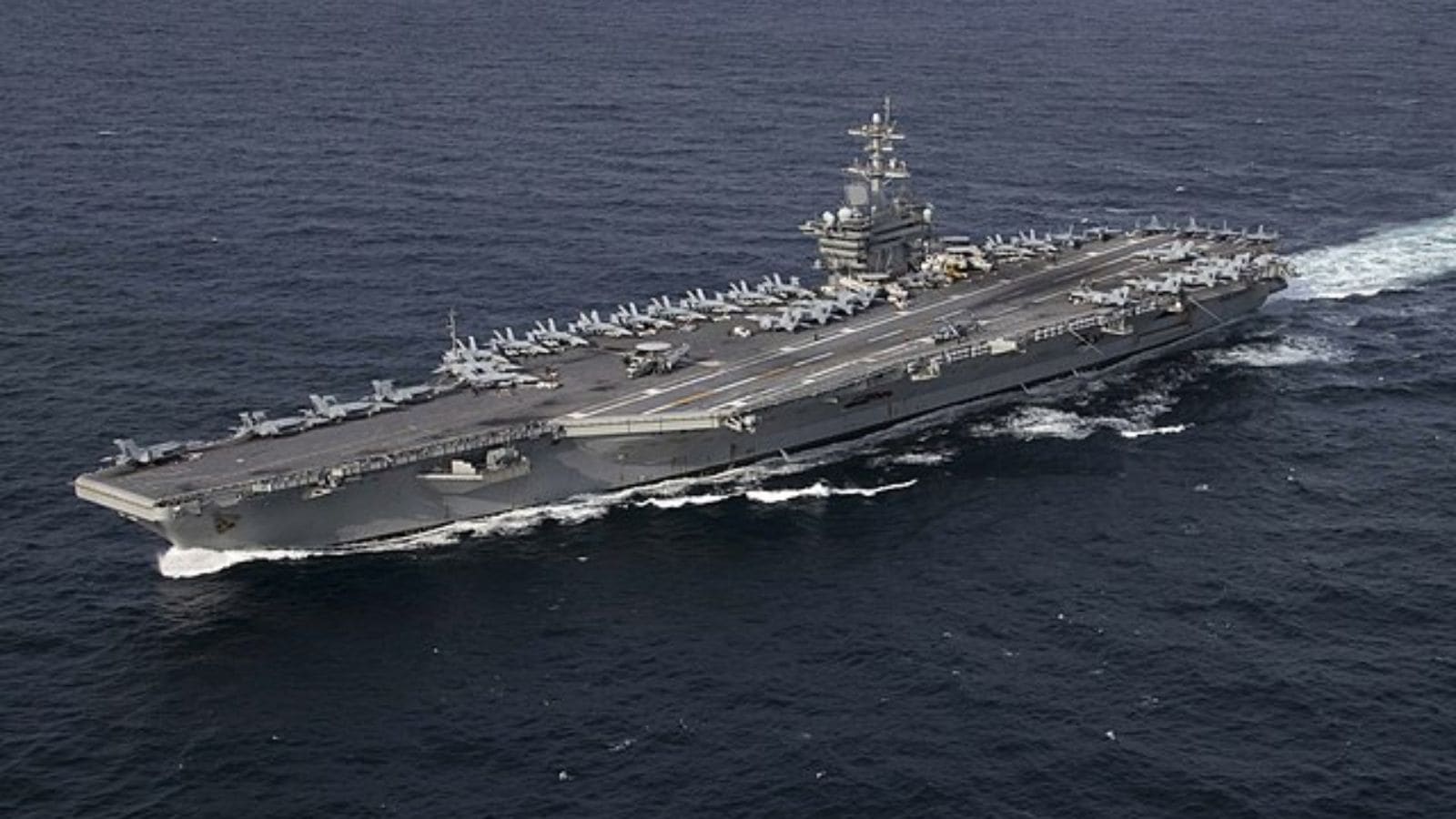
- Security Guarantees: A new legal framework for the Strait of Hormuz that doesn't rely solely on U.S. naval dominance.
The risks of the Islamabad route
It's not all sunshine and handshakes. Iran’s public messaging is still incredibly hostile. Their ambassador in Islamabad is denying that direct talks are happening, even as the 15-point plan sits on a desk in Tehran. There's a massive gap between what the diplomats say in private and what the hardliners shout in public.
If these talks fail, Pakistan loses big. It would be stuck between a defense pact with Riyadh and a war-torn neighbor in Iran. But if it succeeds, Islamabad cements itself as the central pillar of Middle Eastern stability for the next decade.
Keep an eye on the next few days. If we see a high-level Iranian delegation land in Islamabad, we’ll know the 15 points were enough to get them to the table. For now, Pakistan is doing the one thing no one else can: talking to everyone at the same time without getting shot at.
If you're tracking this, look for confirmation of a "restricted meeting" between U.S. and Iranian reps in a neutral third-party location—likely Islamabad or Istanbul. Watch the energy markets; any dip in oil prices will be the first real sign that the Pakistan-led backchannel is actually working.