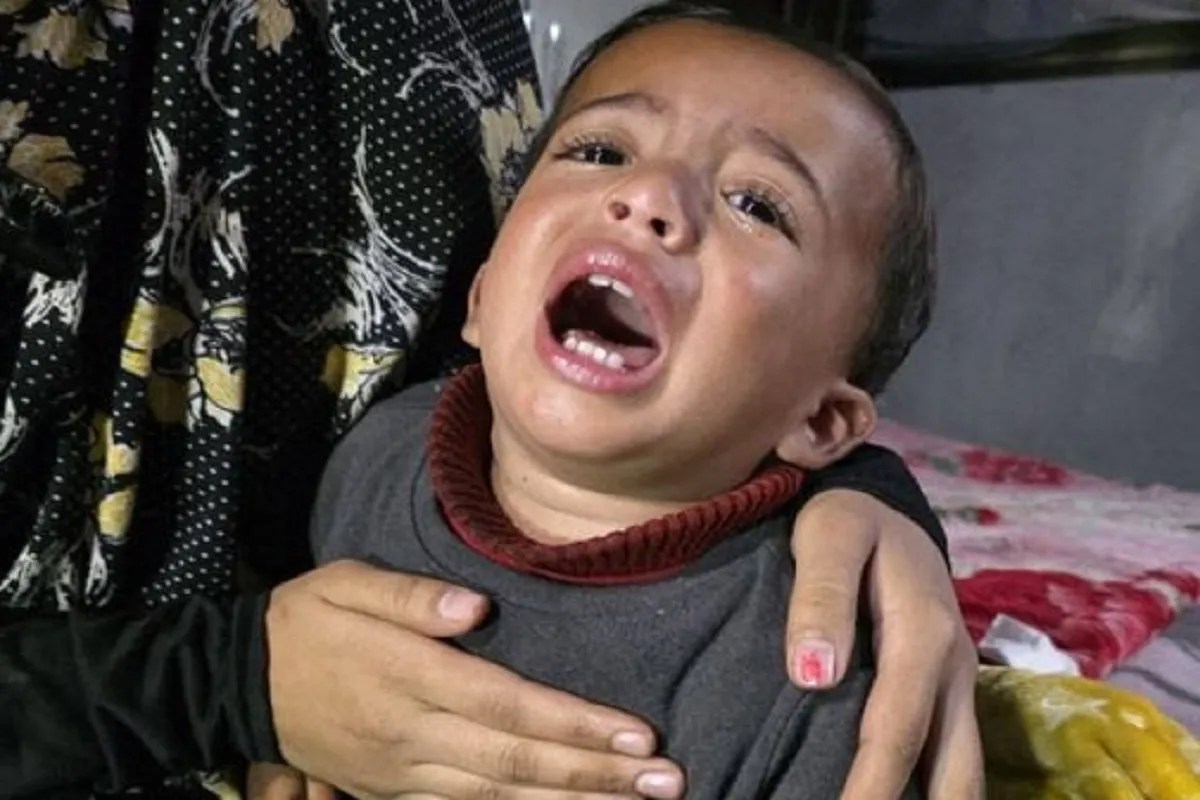
The deployment of physical trauma against non-combatant minors within a theater of urban warfare is rarely a byproduct of chaotic skirmishes; rather, it represents a breakdown of command-and-control structures or the deliberate application of psychological pressure through proxy suffering. When reports surface of an 18-month-old infant in Gaza sustaining injuries consistent with cigarette burns and the insertion of metallic objects into the feet, the analytical focus must shift from emotional outcry to a rigorous examination of the structural failures and psychological mechanisms that permit such specific, high-intensity trauma. This analysis dissects the incident through the lens of asymmetric power dynamics, the failure of military judicial oversight, and the long-term geopolitical costs of non-lethal tactical cruelty.
The Taxonomy of Calculated Trauma
To understand the gravity of the reported incident, one must categorize the methods of injury. These are not the results of kinetic bombardment or shrapnel—events typically classified as "collateral damage." The reported injuries indicate a high-contact, prolonged interaction between a disciplined military force and a defenseless subject.
- Thermal Application (Cigarette Burns): This represents a specific form of torture characterized by its duration and the proximity required between the actor and the victim. It is a slow-burn mechanism used for psychological domination or sadistic gratification, requiring a level of intent that exceeds the heat of a momentary tactical decision.
- Penetrative Trauma (Metallic Nails): The use of nails or sharp objects to puncture the extremities of an infant suggests a ritualistic or highly targeted form of violence. In military sociology, this is often identified as "messaging," where the victim's body becomes a medium for a broader communication of terror directed at the surrounding civilian population.
- Psychological Displacement: The victim—an 18-month-old—lacks the cognitive capacity to provide intelligence. Therefore, the utility of the trauma is purely external. It serves to degrade the collective morale of the family unit and the local community, creating a cost-function for remaining in a contested zone that is unendurable.
The Breakdown of Functional Accountability
The occurrence of such events points to a systemic failure in the Israeli Defense Forces (IDF) internal oversight mechanisms. In any high-functioning military, the "Strategic Corporal" concept suggests that the actions of a single soldier on the ground can have global geopolitical consequences. When soldiers engage in the torture of an infant, several structural safeguards have clearly collapsed.
The Dehumanization Feedback Loop
Asymmetric warfare often leads to the erosion of the "Other's" humanity. When a military force operates in a densely populated urban environment like Gaza for an extended duration, the psychological distance between the soldier and the civilian collapses. If the command structure does not actively reinforce the legal distinction between combatants and non-combatants, the civilian population is eventually viewed as a logistical hurdle rather than a protected class.
The Absence of Real-Time Surveillance
Despite the IDF being one of the most technologically advanced militaries in the world, the reported lack of body-worn camera footage or internal reporting in these specific instances creates a "data vacuum." This vacuum is rarely accidental. It indicates a selective application of transparency where surveillance is used for targeting but deactivated during detention or interrogation phases, thereby insulating the actors from the legal consequences of their conduct.
Strategic Implications of Tactical Cruelty
The immediate physical harm to the child is the primary tragedy, but the secondary effect is the irreversible damage to the legitimacy of the occupying or intervening force. In the modern information environment, tactical cruelty acts as a force multiplier for the opposition.
- Erosion of Moral High Ground: For a state that justifies its military actions on the basis of self-defense and adherence to democratic values, reports of infant torture create a cognitive dissonance that alienates international allies. This alienation leads to the tightening of arms export controls and increased pressure within international legal bodies like the International Criminal Court (ICC).
- Radicalization Cycles: Violence against children is the most potent recruitment tool for insurgent groups. By creating a narrative of existential cruelty, the acting force ensures that the next generation of residents has a personalized, traumatic impetus for armed resistance. The "cost" of the torture session is thus paid in the blood of future soldiers who will face a more radicalized and desperate adversary.
- Legal Liability and the Chain of Command: International law, specifically the Geneva Conventions, does not recognize the "rogue soldier" defense if the command structure failed to prevent or punish the act. Each documented case of targeted trauma against minors builds a forensic portfolio that can eventually be used to prosecute high-level leadership for failure of command responsibility.
The Fragility of Evidence in Conflict Zones
A critical challenge in analyzing these reports is the "Verification Gap." In a closed combat zone like Gaza, independent forensic experts often lack immediate access to victims.
- Primary Evidence: Medical records from Gazan hospitals and photographs of the injuries. While compelling, these are often dismissed by the opposing side as "Pallywood" or staged propaganda.
- Secondary Evidence: Testimonies from family members. These provide context but are subject to the stresses of war and the potential for coached narratives.
- The Forensic Requirement: To move from a "report" to an "established fact," there is a requirement for neutral, third-party medical evaluation and ballistic/material analysis of the objects used (e.g., the specific brand of cigarettes or the type of nails). The systemic denial of access to such investigators is, in itself, a data point suggesting a desire to obfuscate the truth.
The Geopolitical Cost Function
When a state military engages in or permits the torture of children, it fundamentally alters its risk profile. The "Global South" and increasingly the younger demographics in Western nations view these incidents not as isolated anomalies, but as the inevitable outcome of a prolonged occupation. This shifts the conflict from a territorial dispute to a human rights crisis, which is a much harder battle for a state to win on the international stage.
The logic of "deterrence through cruelty" is a documented failure in counter-insurgency history. From the French experience in Algeria to the American experience in Abu Ghraib, the application of torture has never resulted in a stable, long-term security outcome. Instead, it creates a "reputation tax" that the state must pay in every future diplomatic negotiation.
Establish an independent, internationally-monitored medical commission with immediate, unhindered access to all civilian casualties in Gaza to document trauma patterns. Without a transparent, third-party forensic record that can bypass military censorship, the cycle of atrocity and denial will continue to escalate, ensuring that the strategic objectives of the military operation are permanently subverted by the tactical depravity of its individual components.