The uniform used to be a second skin. For decades, the olive-drab fatigues of the Israel Defense Forces (IDF) represented more than just a military requirement; they were a rite of passage, a social glue, and the ultimate insurance policy for a nation born in defiance of the odds. But today, the fabric is fraying. Not at the hem, but at the seams where the soul of the soldier meets the reality of an endless calendar.
Imagine a kitchen table in Tel Aviv or a small apartment in Haifa. A reservist named David—let's call him that for the sake of the thousands he represents—stares at a letter. It is his third call-up in a single year. His small tech startup is hemorrhaging clients. His daughter hasn't seen him for a bedtime story in months. He is tired. Not just "need a nap" tired, but a bone-deep, spiritual exhaustion that comes from realizing the finish line has been moved again.
This isn't just one man’s fatigue. It is a national emergency.
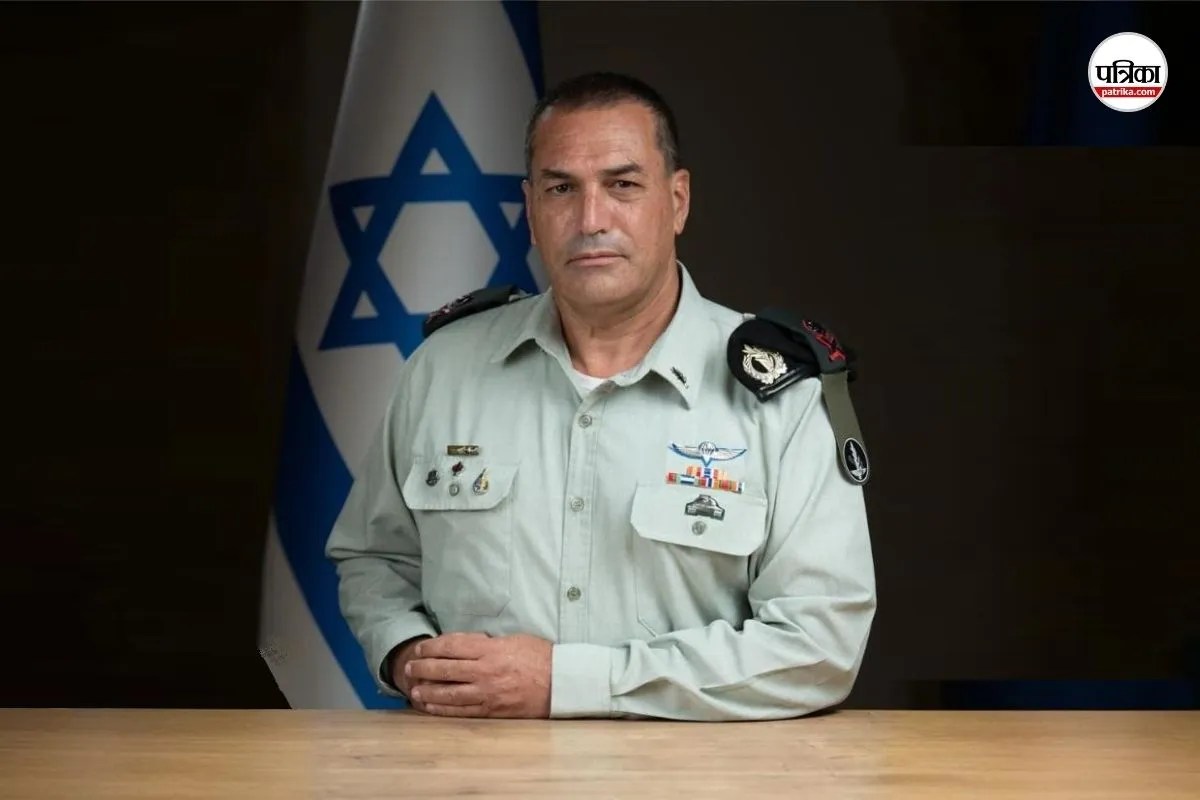
IDF Chief of Staff Herzi Halevi recently issued a warning that should have sent shockwaves through every household in the country. He didn't speak of missiles or tunnels. He spoke of a "thinning" force. He spoke of an army that could "break from within." These aren't the words of a politician looking for votes; they are the desperate calculations of a general who sees his math no longer adding up.
The numbers are stark. Israel is fighting on multiple fronts—Gaza, Lebanon, and the creeping shadows of a broader regional conflict. To maintain this posture, the military needs bodies. It needs minds. It needs people who are willing to put their lives on pause indefinitely. But the pool of people doing the heavy lifting is shrinking, while the weight of the mission is growing exponentially.
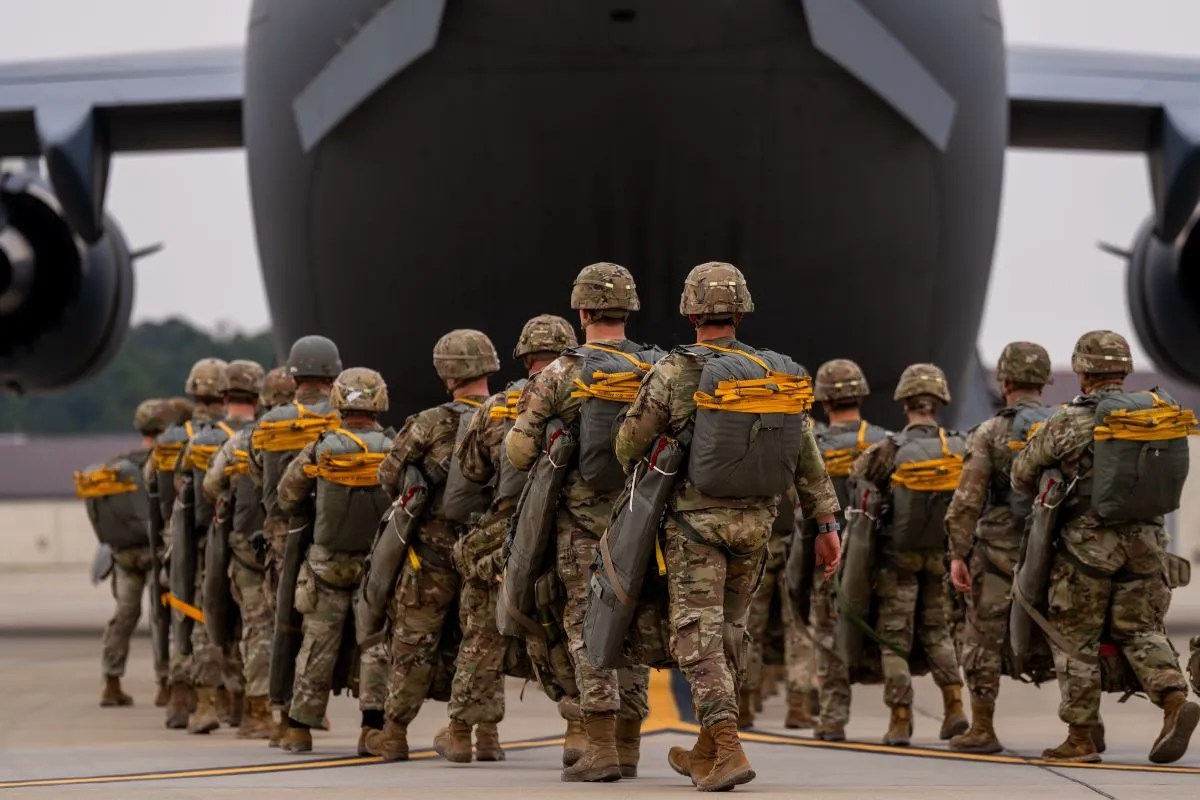
Consider the mechanics of a society built on a "people’s army." The concept relies on the idea that everyone carries the weight. But when the burden shifts to a smaller and smaller percentage of the population, the structural integrity of the entire system begins to moan. Reservists, who are the backbone of the IDF, are being asked to serve 150, 200, or even 250 days a year. These are doctors, teachers, engineers, and fathers. They are the economy. When they are in a trench in the north, they aren't at the hospital or the classroom.
The friction isn't just logistical. It is deeply, painfully social.
For years, a significant portion of the population—the Ultra-Orthodox or Haredi community—has been largely exempt from military service to pursue religious study. In times of relative peace, this was a point of political contention. In a time of existential war, it has become an open wound. The reservist in the mud looks at the news and sees that while his life is on hold, thousands of others his age are shielded by law from the same sacrifice.
Anger. That is the word that bubbles up in the cafes of Jerusalem. It’s not an anger directed at the enemy across the border, but at the perceived unfairness within the walls.
"We are running out of soldiers," Halevi warned. It was a blunt admission that the current model is unsustainable. You cannot run a high-tech, modern economy while keeping its most productive citizens in uniform for half the year. Eventually, the talent leaves. The businesses fold. The spirit of the volunteer, once the pride of the nation, turns into the resentment of the conscript.
The stakes are invisible until they aren't. We talk about "defense" as if it’s a physical wall, but a wall is only as strong as the people standing behind it. If those people feel abandoned by their government or used as an infinite resource, the wall becomes a facade.
The IDF is currently facing a deficit of thousands of soldiers. This isn't a gap that can be filled by buying more drones or smarter bombs. Technology can find a target, but it cannot hold a village or secure a border. Only people can do that. And the people are reaching their limit.
Behind the headlines of "troop shortages" are the stories of marriages under pressure. There are the stories of students missing two semesters of university, watching their peers from other countries move ahead while they wait in a muddy outpost. There is the mental health toll—the "moral injury" of a war that has no clear exit strategy.
Military leaders are now pushing for longer mandatory service and higher ages for reserve duty. It is a desperate move to keep the numbers up. But more time in uniform means more time away from the "normal" life that these soldiers are supposed to be defending. It is a tragic paradox: to save the nation, the state is forced to hollow out the very lives that make the nation worth saving.
The military is shouting for help, but the political gears are jammed. The debate over who serves and who doesn't is no longer a matter of ideology; it is a matter of survival. If the burden isn't shared, the bridge collapses.
The "break from within" that Halevi fears isn't a sudden mutiny. It’s a slow, quiet erosion. It’s the sound of a phone ringing in a reservist’s pocket and the long, heavy sigh before they pick it up. It’s the look in a mother’s eyes when she realizes her son is going back for a fourth tour. It’s the realization that the "people’s army" might soon be an army of the few, asked to do the impossible for the many.
The sun sets over the Mediterranean, casting long shadows across a land that has known too little rest. In a small apartment, David packs his bag again. He checks his boots. He kisses his sleeping daughter. He does it because he has to, because he loves his home, and because there is no one else. But as he closes the door, the click of the lock sounds a little more fragile than it did the last time.
The shield is still there, held high against the horizon, but the hands holding it are shaking.
Would you like me to research the latest legislative updates regarding the Haredi enlistment bill in Israel?