The lights are burning late in Islamabad’s Red Zone, but the real activity isn't happening in the press rooms. High-level delegations from the United States and Iran are reportedly converging on the Pakistani capital, attempting to hammer out a ceasefire to a conflict that has already redesigned the global energy map. While Tehran publicly scoffs at the notion of "direct talks," the reality on the ground is far more nuanced. Pakistan has transitioned from a mere neighbor into a critical diplomatic airlock, filtering a 15-point U.S. peace proposal that could either end the "Operation Epic Fury" era or trigger its most violent chapter yet.
The primary query isn't just whether talks are happening—they are—but who is actually sitting at the table. Donald Trump has claimed "productive" contact with a "top person" in Iran, widely believed to be Parliament Speaker Mohammad Bagher Ghalibaf, bypassing the traditional diplomatic guardrails. Pakistan’s role is to provide the "neutral" ground and the security guarantees that neither side can afford to give publicly.
The 15 Point Ultimatum Masquerading as a Deal
The document delivered by Pakistani intermediaries to Tehran is not a gentle suggestion. It is a comprehensive restructuring of Iran’s sovereign capabilities. According to senior officials in Islamabad and Cairo, the U.S. proposal demands the total dismantling of Iran’s nuclear program and strict, permanent limits on its ballistic missile reach. In exchange, the Trump administration is offering a "civilian nuclear cooperation" package and significant sanctions relief.
However, the "poison pill" for Tehran lies in the Strait of Hormuz. The U.S. wants a multinational force to "guard and police" the waterway—a move Iran views as an end to its strategic leverage over 20% of the world’s oil.
- Nuclear Redlines: The U.S. insists on IAEA monitoring that goes beyond previous agreements.
- Missile Caps: Iran’s primary deterrent, its missile stockpile, is on the chopping block.
- Economic Bait: Sanctions relief is promised, but only after "verifiable" compliance.
The Iranian counter-proposal, leaked via state-affiliated channels, is equally rigid. They aren't just asking for a ceasefire; they are demanding war reparations and "ironclad" guarantees that future U.S. administrations will not tear up the deal. It is a classic Iranian diplomatic maneuver: reject the premise publicly to buy time, while letting the backchannel run until the pressure becomes unbearable.
The Islamabad Conduit and Why It Matters Now
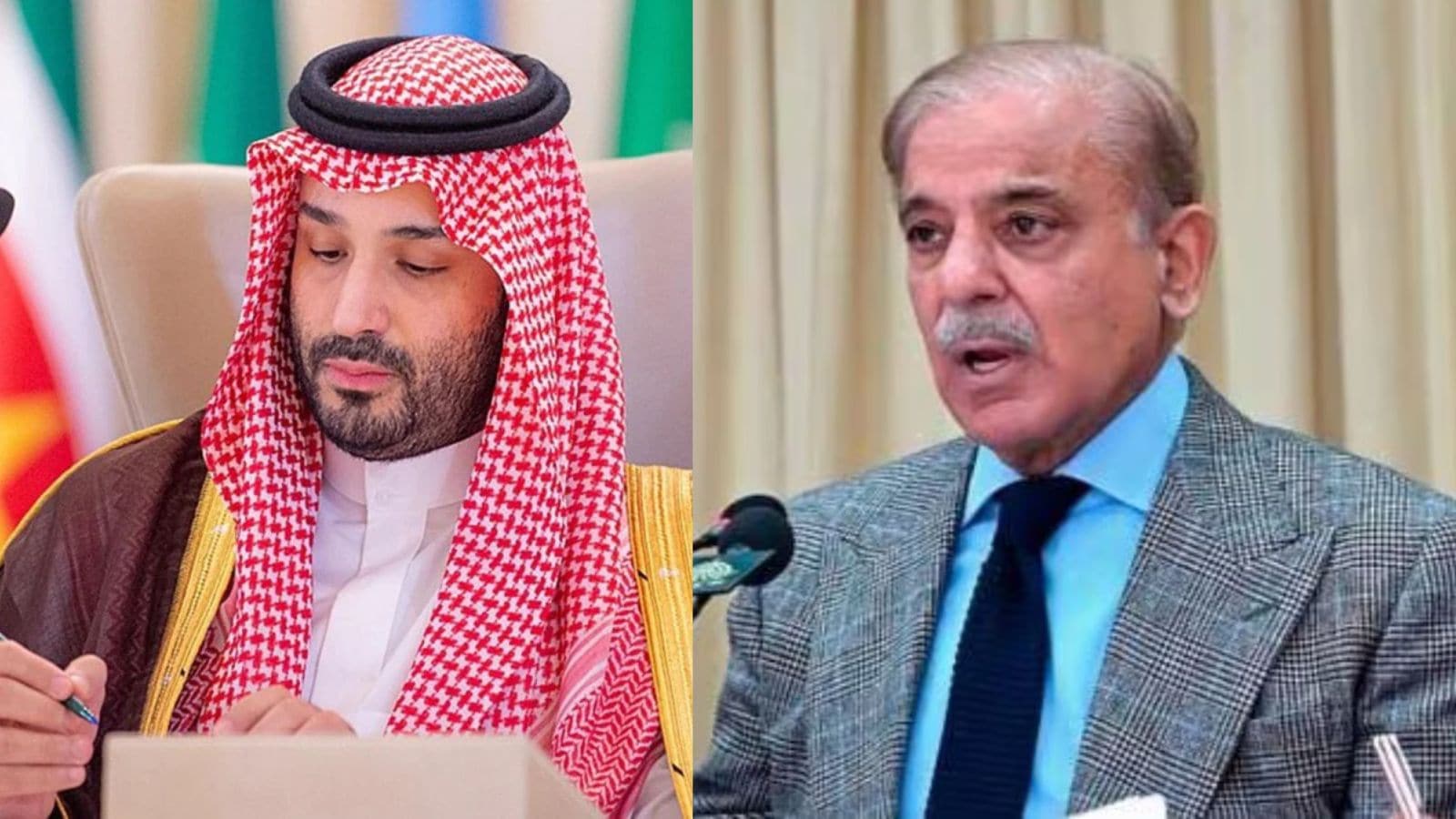
Pakistan’s emergence as the primary mediator isn't an accident of geography. It is a calculated repositioning of Islamabad’s strategic standing. After decades of being seen as a "troubled state" by Washington, Pakistan is re-emerging as a major American ally in West Asia. Prime Minister Shehbaz Sharif and Army Chief Field Marshal Asim Munir have leveraged their relationship with Donald Trump to secure a role as the ultimate gatekeepers for Iranian talks.
Unlike Gulf states like Qatar or Saudi Arabia, Pakistan does not host massive U.S. military bases. This gives it a "neutral" veneer that Tehran finds more palatable than the optics of a Doha summit. Furthermore, Pakistan’s own economic stability is tethered to the Iran-US war. Fuel disruptions and the risk of a refugee crisis in Balochistan have forced Islamabad to trade its neutrality for an active seat at the negotiating table.
The Jared Kushner Factor and the "New Breed" Diplomacy
Traditional diplomacy is dead in this conflict. The U.S. delegation reportedly arriving in Pakistan includes names like Steve Witkoff and Jared Kushner, signaling a return to the "deal-oriented" foreign policy that characterized the previous Trump era. This team is less concerned with the State Department's long-term institutional goals and more focused on a "comprehensive settlement" that can be announced as a political victory.
The reported presence of Kushner suggests that the "Abraham Accords" framework is being adapted for the Iran-US-Israel war. The goal is a regional security architecture where Iran is economically integrated—and thus restrained—rather than just militarily contained. But this strategy carries a high risk of failure if it ignores the ideological core of the Islamic Republic’s power structure.
The Power Vacuum and the "Ghalibaf Gamble"
There is a deeper, more dangerous question haunting the Islamabad talks: Who in Tehran actually has the authority to sign a deal? With reports of internal fractures following the "Operation Epic Fury" strikes and the death of Supreme Leader Ayatollah Ali Khamenei in late February 2026, the traditional power structure is in shambles.
The U.S. is reportedly probing Ghalibaf as a potential "test channel." He is embedded enough in the system to understand the military reality, yet potentially pragmatic enough to see that the status quo is unsustainable. But the IRGC remains the wild card. Recent statements from their commanders indicate a resistance to any negotiations under pressure, even as the "five-day pause" on Iranian energy infrastructure expires.
- Political Legitimacy: Can Ghalibaf deliver a deal without an IRGC mutiny?
- Military Realities: Damage to Iran's missile program has been significant, but not total.
- The Saudi Shadow: Riyadh is closely watching Pakistan’s mediation, reminding Islamabad of their mutual defense pact.
The Economic Shrapnel of a Failed Summit
Markets have already reacted to the rumors of a "breakthrough" within 48 hours. Oil prices fell on Wednesday as traders bet on a diplomatic resolution. But the volatility remains extreme. If the Islamabad talks collapse—or if the Iranian "negative response" reported by the Guardian holds—the U.S. is expected to resume strikes on Iran's energy infrastructure with renewed intensity.
The stakes for Pakistan are equally high. Successfully hosting these talks would raise its global prominence to levels not seen since it helped mediate the secret opening between the U.S. and China in 1972. A failure, however, could leave Islamabad caught in the crossfire of a regional conflagration that it was too ambitious to handle.
| Negotiating Point | U.S. Demand | Iranian Demand |
|---|---|---|
| Nuclear Program | Total Dismantlement | Civilian Sovereignty |
| Sanctions | Conditional Relief | Immediate Removal + Reparations |
| Strait of Hormuz | Multinational Policing | Exclusive Iranian Control |
| Missiles | Strict Limits | Non-Negotiable |
The "breakthrough" expected within the next 48 hours will likely not be a signed treaty. Instead, it will be the confirmation of whether both sides can agree on a venue and a format for face-to-face negotiations. If a meeting between Vice President JD Vance and a senior Iranian representative actually occurs in Islamabad this Friday, it will be the single most significant diplomatic event in the Middle East in half a century.
But the window for this "compressed diplomacy" is closing. The U.S. military has already shown that its patience is measured in days, not months. The Islamabad backchannel is a fragile, high-pressure attempt to solve a decades-old conflict in the middle of a hot war. It is not a "peace process" in the traditional sense; it is a high-stakes trade. If the deal doesn't close, the bombs start falling again on Saturday.
The real test is whether Tehran believes it has more to lose from a total economic collapse than it does from a humiliating diplomatic retreat. In the corridors of power in Islamabad, the hope is that the math has finally changed. But in the streets of Tehran and the situation rooms in Washington, the readiness for the "final battle" remains the only thing that is truly certain.
Would you like me to analyze the specific economic impact of the proposed 15-point plan on global oil futures?