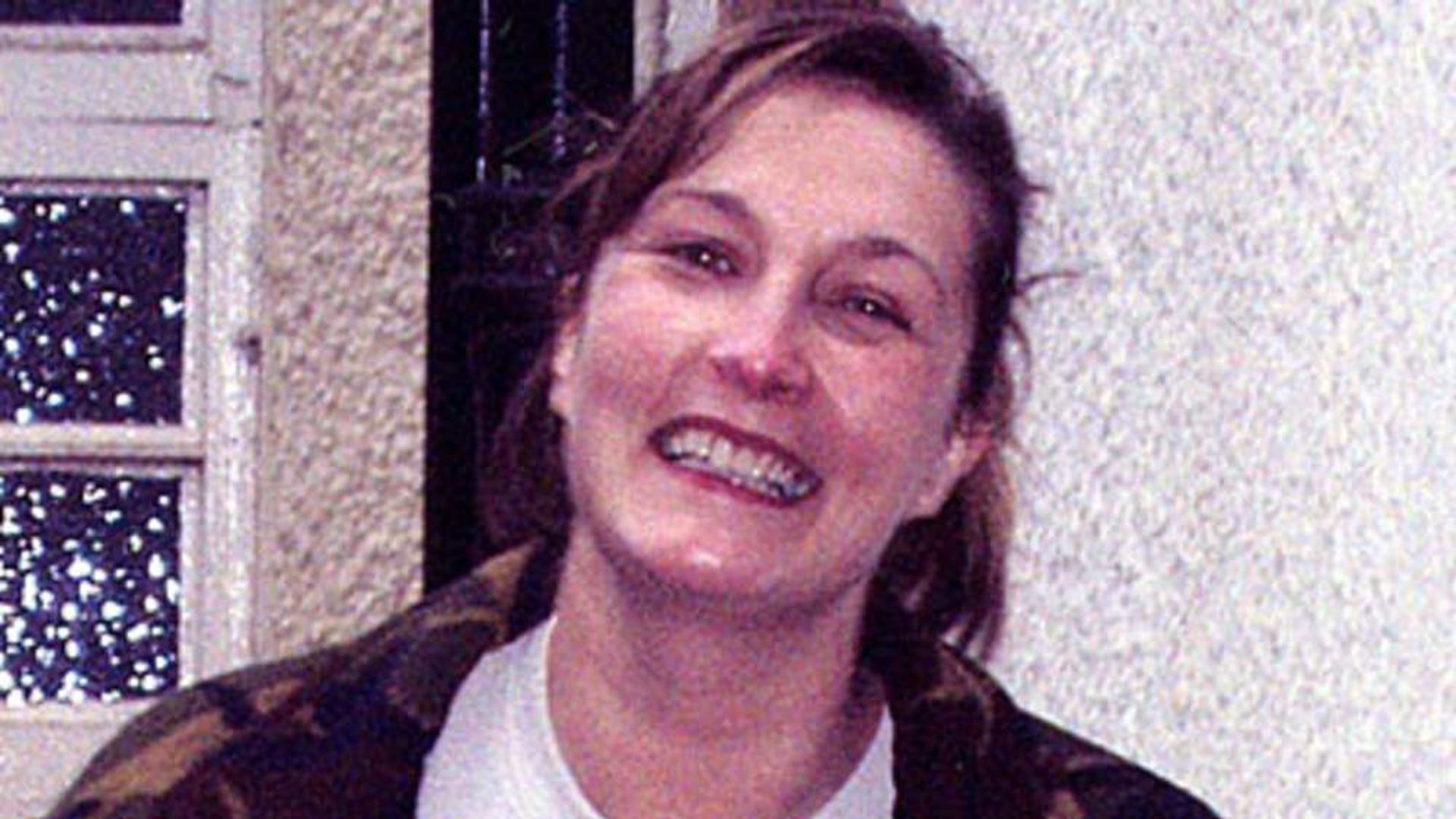
Scotland has finally triggered a shift in its justice system that aims to strip the hope of freedom from killers who refuse to reveal where they hid their victims' bodies. These changes, known colloquially as Suzanne’s Law, are now active, fundamentally altering the criteria the Parole Board for Scotland must consider during release hearings. On the surface, it is a triumph for grieving families who have spent years in a purgatory of unanswered questions. Beneath the legislative veneer, however, lies a complex legal reality that may fail to deliver the definitive closure it promises.
The law is named after Suzanne Pilley, who was murdered by David Gilroy in 2010. Gilroy was convicted despite her body never being found. For over a decade, her family has endured the agony of knowing her killer holds the secret to her final resting place while he works toward his eventual eligibility for parole. This new mandate forces the Parole Board to explicitly account for "non-disclosure of a victim’s body" when weighing a prisoner's risk to the public and their suitability for reintegration. It is a punitive measure designed to use liberty as a bargaining chip for the truth.
The Mechanics of Silence
The legislative engine behind this change isn't a brand-new Act of Parliament but a targeted amendment to the Parole Board (Scotland) Rules. By modifying the rules of procedure, the Scottish Government has bypassed the need for a lengthy primary legislative battle, moving straight to the heart of the tribunal process.
The Parole Board is now required to treat the refusal to disclose a location as a significant factor in assessing a prisoner’s character and "rehabilitative progress." The logic is straightforward. If a murderer refuses to help the family of their victim, they are demonstrating a lack of remorse. A lack of remorse is a primary indicator of continued risk. Therefore, silence equals a longer stay behind bars.
However, the Parole Board remains an independent judicial body. It cannot be legally forced to deny parole solely on the grounds of non-disclosure. It must balance this silence against other factors, such as the prisoner’s behavior in custody, their participation in psychological programs, and the actual risk they pose to the physical safety of the public. This creates a gray area where a "model prisoner" who remains silent could still, theoretically, walk free if the board deems them no longer a threat.
The Burden of Proof and the Risk of False Hope
We have seen similar legislation in England and Wales, where "Helen’s Law" was enacted in 2020. The results there have been mixed. While it provides a moral victory for families, it has not led to a sudden surge in deathbed confessions. Killers like Ian Simms, whose conviction inspired the English law, was eventually released without ever revealing the location of Helen McCourt’s body. He died shortly after, taking the secret to his grave.
Scotland faces the same grim prospect. The legal community is already quietly questioning whether this law survives a challenge under the European Convention on Human Rights. Specifically, Article 5—the right to liberty and security—is at play. If a prisoner has served their punishment and is no longer a danger, keeping them incarcerated purely for "non-cooperation" moves the goalposts from public safety to state-sanctioned vengeance. While that vengeance feels justified to a mourning parent, it is a difficult needle to thread in a modern supreme court.
The Forensic Reality of a Missing Body
There is also the chilling possibility of the "innocent" non-discloser. While rare, there are instances where a killer may have genuinely forgotten a location due to the passage of time, the disorientation of the crime, or changes in the landscape over twenty years. If a killer claims they cannot remember, the Parole Board is left in an impossible position. How do you distinguish between a defiant silence and a genuine failure of memory?
Furthermore, the law assumes that the killer actually knows where the body is. In cases involving organized crime or multiple accomplices, the individual up for parole might not have been the one who handled the final disposal. Under the new rules, these nuances must be picked apart by a board that is already overstretched and under intense public scrutiny.
The Psychological Leverage
Psychologists working within the Scottish Prison Service (SPS) suggest that the threat of denied parole is a weak motivator for the type of personality that commits these crimes. Individuals who hide bodies often do so to maintain a final vestige of control over their victims and the victims' families. For a narcissist or a sociopath, that control is often more valuable than a few extra years of freedom.
The government’s hope is that the "totality" of the new rules—which also include improved communication with victims' families—will create a more transparent system. Families will now be told more about why a prisoner is being released, even if the body hasn't been found. But information is a poor substitute for a grave.
A System Under Pressure
The timing of these changes is not accidental. The Scottish justice system is currently grappling with record-high prison populations and a backlog of cases that stretches back to the pandemic. By toughening the stance on non-disclosure, the government is signaling a "victim-first" approach, but it is doing so within a system that is struggling to keep the lights on.
The Parole Board must now conduct more complex hearings, likely involving more testimony from forensic experts and psychologists to determine the "intent" behind a prisoner's silence. This takes time. It takes money. Most importantly, it takes a level of clinical certainty that the human mind rarely provides.
The reality of Suzanne’s Law is that it is a tool of influence, not a guarantee of recovery. It gives the state a bigger stick, but it doesn't change the nature of the person holding the secret. For families like the Pilleys, the law is a recognition of their pain, but the actual recovery of their loved ones remains a distant, flickering hope.
If you are a victim’s family member looking to understand how these changes affect your specific case, you should contact the Victim Support Scotland parole advocacy service immediately to ensure your views are recorded in the next hearing cycle.