Justice shouldn't move at a snail's pace when children are the victims. That's the blunt reality of the situation in Iran right now. The United Nations is officially tired of waiting. They’ve turned up the heat on the United States, demanding a "swift" and transparent conclusion to the investigation into a "visceral" bombing of a school. When a place of learning becomes a graveyard, the world tends to stop and stare. But staring isn’t enough. We need accountability.
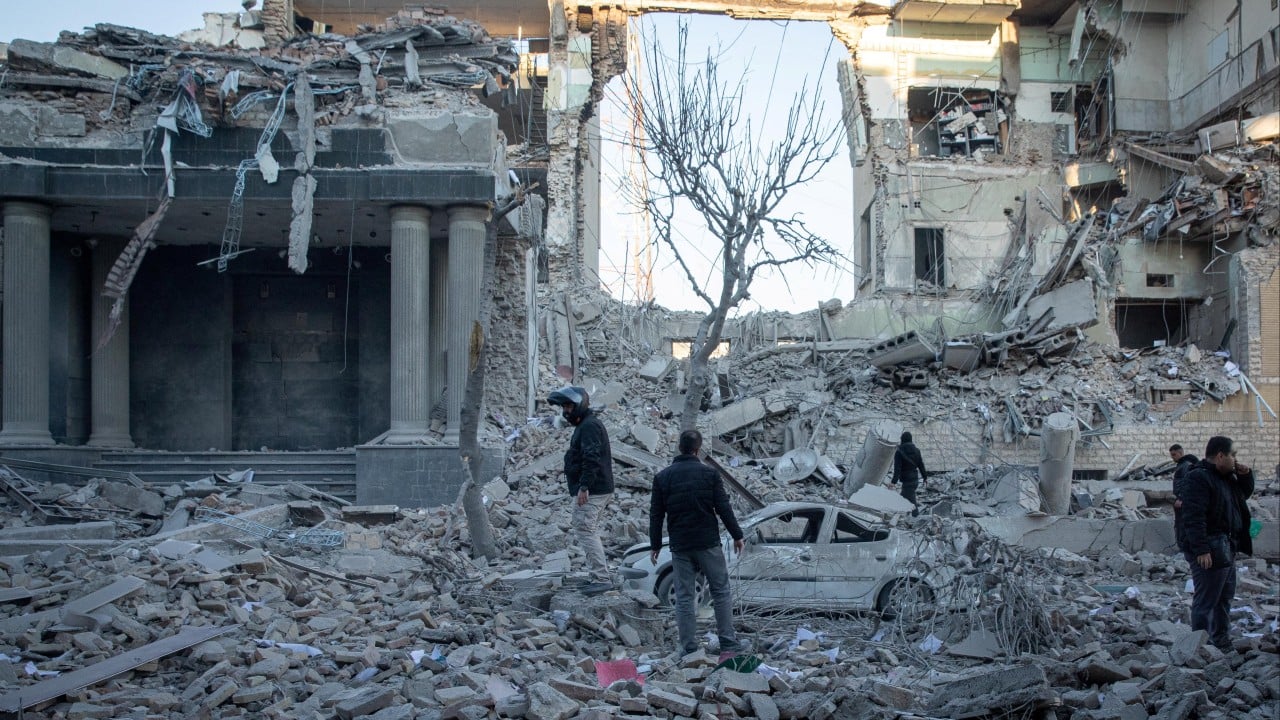
The details coming out are horrific. We’re talking about an attack that didn't just break windows; it broke a community's soul. The UN’s language—using a word like visceral—is rare. It’s a gut-punch. It signals that this wasn't just another statistic in a long-standing geopolitical feud. It was an atrocity. Now, the international community is looking at the U.S. and asking: "Where's the proof? Where's the responsibility?"
The core of the issue is simple. The UN wants the U.S. to finish its investigation into the Iran school bombing. They want it done now. Every day that passes without a clear answer is a day that fuels more anger and more theories. You can't just leave a school bombing in a "pending" file and hope people forget. They won't.
The Human Cost of Delaying the Iran School Bombing Investigation
We often get lost in the "high-level" diplomatic talk. We talk about "state actors" and "geopolitical tension." Honestly, that's just a way to ignore the blood on the floor. In this Iran school bombing, the human cost is the only thing that should matter. Families are waiting for answers. They're waiting to know why their kids didn't come home from history class.
Think about what it's like to be a parent in that situation. You send your child to school with a lunchbox and a smile, and then the world explodes. Then, for weeks, you're told that a "probe" is ongoing. That's a special kind of torture. The UN's call for a swift end to this is about more than just paperwork. It's about basic human decency.
The word visceral is key here. It means something felt in the internal organs. It’s a physical reaction to a horror that defies logic. When the UN uses that word, they're not being poetic. They're being literal. They're describing a scene so gruesome it bypasses the brain and hits the stomach. The U.S. can't just brush that off with a "no comment" or a "we’re still looking into it."
Why the World is Watching the U.S. Response
The U.S. is in a tight spot. That’s no secret. Their relationship with Iran is, to put it mildly, a mess. But that’s exactly why this investigation needs to be beyond reproach. If the U.S. is seen as dragging its feet or hiding evidence, it’s a PR disaster of epic proportions. It’s not just about what happened in Iran; it’s about the U.S.’s standing as a champion of international law.
The UN isn't just a group of people in suits. It represents a global consensus on what's right and wrong. When they say "swift," they mean it. They know that the longer an investigation takes, the more likely the truth is to be "managed" or lost. They’re pushing for a level of transparency that's frankly uncomfortable for any government.
- People want to know if U.S. tech or intelligence played a role.
- They want to know if there was a failure of intelligence that could have prevented it.
- They want to see the actual evidence, not just a summary.
It’s about accountability. If the U.S. is involved, they need to own it. If they aren't, they need to prove it. The middle ground—this gray area of "ongoing investigations"—is where trust goes to die.
The Geopolitical Fallout of an Unfinished Probe
The Iran school bombing isn't happening in a vacuum. It’s happening in a region that's already a tinderbox. Every day the U.S. waits to release its findings is another day that Iran can use this for their own narrative. It’s a gift to those who want to paint the U.S. as a lawless aggressor.
You have to wonder why it’s taking so long. Is it just red tape? Or is there something in the data that nobody wants to talk about? The UN is essentially saying, "We don't care about your internal politics. We care about the facts." This pressure from the UN is a rare moment of clarity in a very murky situation.
The world is tired of the same old cycle. Bombing, investigation, silence, repeat. This time, the UN is trying to break that cycle. They’re demanding an end to the "visceral" reality of these attacks. They’re demanding that the U.S. step up and show the world that it takes the lives of Iranian schoolchildren as seriously as it would take the lives of its own.
What a "Swift" Investigation Actually Looks Like
Let's be real. A "swift" investigation in the world of international diplomacy is still slower than a normal person’s idea of fast. But it should mean a clear timeline. It should mean regular updates. It should mean a final report that isn't 90% redacted.
The UN wants a conclusion that can be scrutinized by independent experts. They don't just want a "we did it" or "we didn't do it" statement. They want the "how" and the "why." This is the only way to provide any sense of closure to the victims' families.
The Problem with "National Security" Excuses
We’ve all heard it before. "We can't release that because of national security." It’s the ultimate get-out-of-jail-free card for governments. But in the case of a school bombing, that excuse wears thin. If your national security is more important than the truth about murdered children, your priorities are fundamentally broken.
The UN is pushing back against this. They’re saying that the "visceral" nature of this crime overrides the usual excuses. They want the U.S. to find a way to be transparent without compromising their legitimate interests. It’s a tall order, but it’s what’s required.
The Danger of Continued Silence
If the U.S. continues to stay quiet, or if the investigation drags on for months, the damage will be permanent. It won't just be about this one bombing. It will be about the entire international system of accountability. If a superpower can just ignore the UN’s call for a swift probe into a school bombing, then what's the point of the UN at all?
This isn't just about Iran. It’s about every conflict zone where children are at risk. It's about setting a precedent that says, "You can't do this and get away with it." The UN is drawing a line in the sand. Now we just have to see if the U.S. will cross it.
The pressure is on. The eyes of the world are on Washington. The "visceral" images of that school aren't going away. The UN has made its position clear. Now, it's the U.S.'s move. The clock is ticking, and every second counts for the families waiting for the truth.
Stop waiting for a "perfect" moment to release information. Transparency is the only path forward. The U.S. needs to provide a clear, public timeline for the investigation's completion. They need to commit to a full, unredacted report on the findings. Anything less is a failure of leadership and a betrayal of the victims.