The Middle East is a powder keg that just had a blowtorch applied to it. If you think this is just another flare-up, you're not paying attention to the cracks forming in the foundations of Western alliances. While the headlines scream about missiles and ground incursions, the real story is the spectacular breakdown in trust between Washington and its oldest friends.
Trump Takes Off the Gloves with NATO
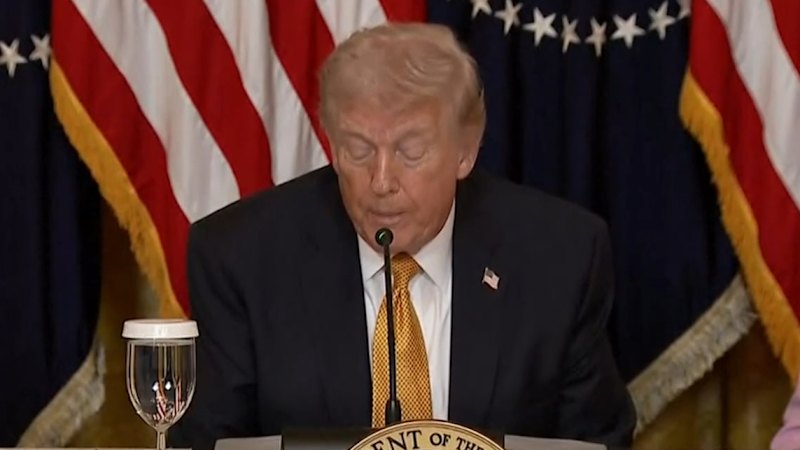
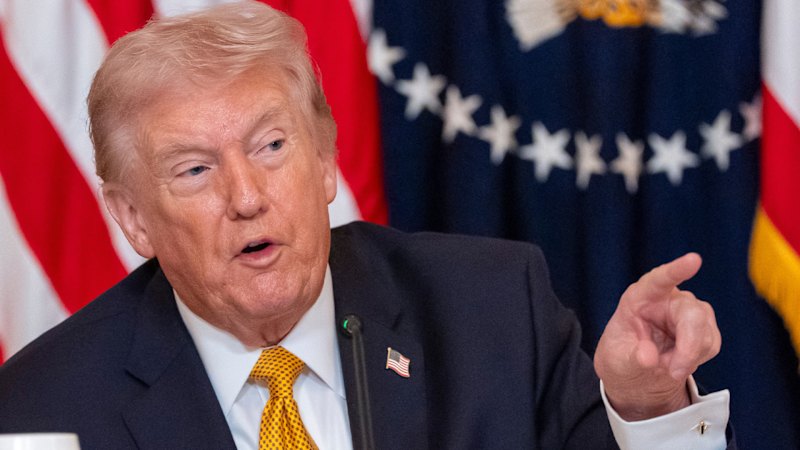
Donald Trump isn't hiding his fury anymore. On Monday, he basically told the rest of NATO that if they don't step up in the Strait of Hormuz, the alliance might as well be dead. He's demanding warships, and he wants them yesterday. The Strait of Hormuz is the world's most important oil chokepoint, and with Iran effectively shutting it down, gas prices are already hitting the roof.
The U.S. President is tired of playing nice. He’s lashing out at the UK and Germany, calling them out for failing to help police the waterway. His logic? They're the ones who benefit from the oil, so why is the U.S. Navy doing all the heavy lifting? It’s classic Trump—direct, transaction-based, and zero-sum. He even went as far as saying he told British Prime Minister Keir Starmer that he doesn't want the UK's aircraft carriers anymore because they're "too late."
Europe, meanwhile, is terrified of getting dragged into what they see as an "American-made" war. German Defense Minister Boris Pistorius was blunt: "This is not our war." They aren't interested in a mission to reopen the strait that might end in a full-scale naval battle. This isn't just a policy disagreement; it’s a fundamental split on the future of global security.
Israel Pushes Deep into Lebanese Territory
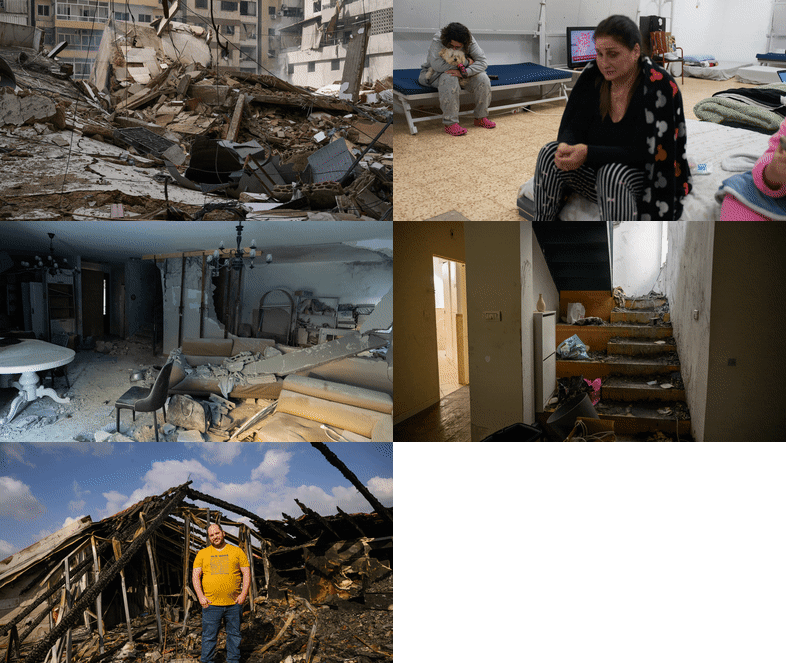
While the U.S. focuses on the sea, Israel is moving on the ground. The "limited" operation into southern Lebanon has quickly become something much bigger. Israeli forces have advanced past the Blue Line, and the civilian toll is staggering. Over a million people in Lebanon have been forced from their homes in just two weeks.
The Israel Defense Forces (IDF) say they're there to dismantle Hezbollah’s infrastructure and stop rocket fire into northern Israel. But anyone who knows the history of this border knows that "limited" incursions have a habit of turning into years-long occupations. Hezbollah isn't folding either. They've been hitting back with rocket salvos in places like Khiam, proving that even with the U.S. and Israel "obliterating" Iranian targets, the proxy network is still very much alive.
The Green Zone is No Longer a Sanctuary
If you wanted proof that the U.S. footprint in Iraq is under threat, look at Baghdad. Over the weekend, a drone or missile—sources are still arguing which—slammed into the U.S. Embassy helipad. It didn't just cause a fire; it completely took out the C-RAM air defense system.
The C-RAM is the high-tech umbrella that’s supposed to keep the embassy safe. Seeing it disabled is a massive psychological blow. It shows that the Iran-aligned militias in Iraq have found the gaps in the armor. It’s the second time the embassy has been hit since this war kicked off on February 28, and it’s a clear message: as long as the U.S. hits Iran, American diplomats in the region will be in the crosshairs.
The Oil Shock and the Global Fallout
Let's talk about your wallet. Global oil prices have surged by nearly 50% since the start of the month. Iran is playing its strongest card by paralyzing the Strait of Hormuz. They’re allowing their own tankers through while blocking everyone else.
Trump claims the U.S. military has "obliterated" the Iranian Navy, but it only takes a few mines and some persistent drone swarms to keep a shipping lane closed. South Korea is already lifting caps on coal power because they can't get the LNG they need. The UAE is seeing fires at oil fields and gas plants. The economic "synergy" the world relied on for cheap energy is gone, replaced by a chaotic scramble for reserves.
What You Need to Watch Next
The situation is moving fast, and the rhetoric is only getting darker. You should expect a few things to happen in the coming days that will signal where this is going.
First, keep an eye on the diplomatic cables. Secretary of State Marco Rubio is reportedly pushing allies to officially label the IRGC and Hezbollah as terrorist groups by March 20. If Europe refuses, expect Trump to ramp up his "NATO is obsolete" talk.
Second, watch the Israeli ground movement. If the IDF pushes north of the Litani River in a significant way, any hope of a quick "limited" operation is dead. You’ll be looking at a long-term regional war.
Finally, check the pump. If the U.S. follows through on threats to strike Kharg Island—Iran’s primary oil terminal—the price of crude won't just rise; it will explode. The White House says no decision has been made, but "no decision" usually means "not yet."
Move your assets out of high-risk regional markets if you have them. If you're traveling anywhere near the Persian Gulf or Iraq, honestly, just don't. The security situation is deteriorating faster than the news cycle can keep up.