An island nation woke up to unimaginable grief after a single catastrophic traffic accident wiped out a generation of young lives. At least 25 people, predominantly children and teenagers, died when a passenger bus plunged roughly 30 meters down a steep ravine on Fogo Island in Cabo Verde.
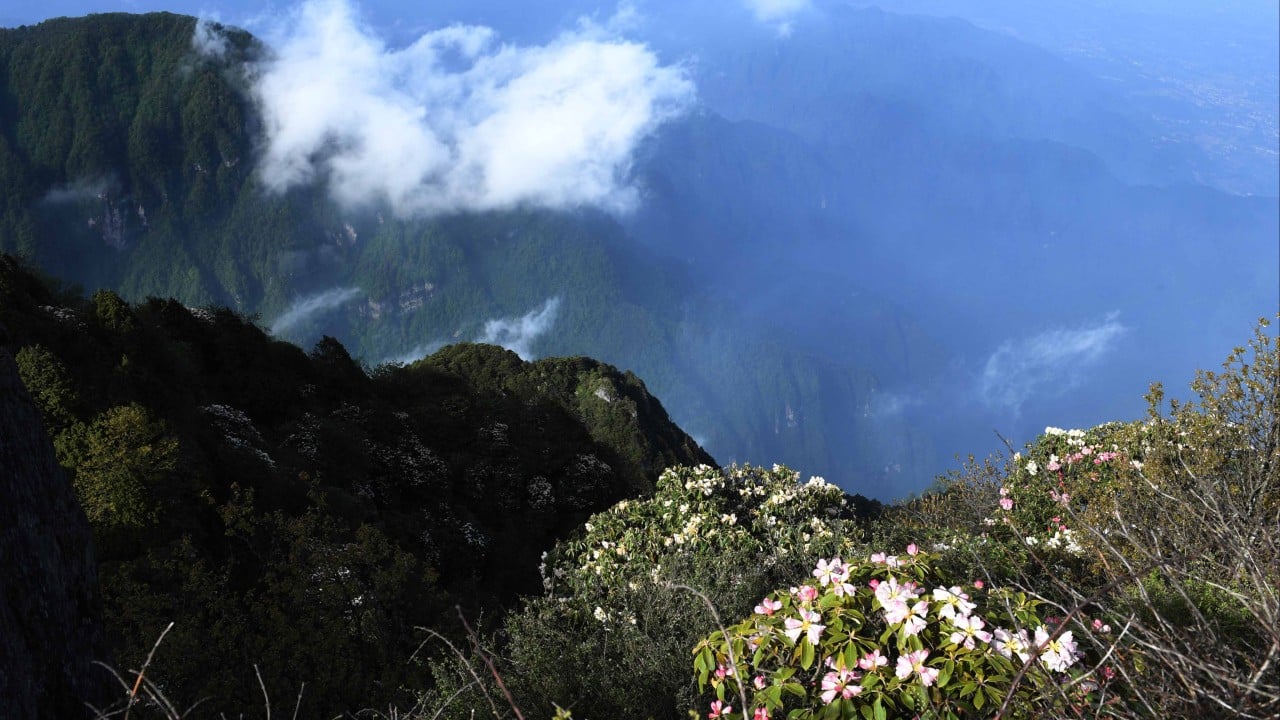
The crash happened late on a Saturday on a mountain road in the northern part of the island. The bus was carrying 32 passengers back from an excursion to Chã das Caldeiras, a village nestled inside the volcanic crater of Pico do Fogo. Local reports confirmed that the trip was an annual tradition organized privately by the driver as a kind gesture for the students he transported during the academic year. Tragically, the driver was among those killed in the wreckage. You might also find this connected article insightful: Why the Strait of Hormuz Standoff Changes Everything We Know About Maritime Security.
Understanding the Scale of the Disaster on Fogo Island
Cabo Verde rarely sees transit accidents of this magnitude. The archipelago's roads are generally maintained well, making this sudden plunge off the mountain pass deeply shocking to the local community and national leaders.
Emergency crews fought through difficult conditions overnight, navigating a remote and rocky valley to pull survivors and victims from the crushed vehicle. Medical personnel at the São Francisco de Assis Regional Hospital rushed to treat the wounded, though severe injuries plagued several of the survivors. As discussed in latest coverage by NPR, the effects are significant.
President José Maria Neves labeled the event a massive catastrophe, while Prime Minister Francisco Carvalho announced two days of national mourning. Funerals for the victims began immediately, reflecting the profound grief gripping the tight-knit island population where everyone shares a connection to those lost.
Questions Surrounding Mountain Infrastructure and Safety
Whenever a disaster like this strikes a peaceful community, hard questions follow about mountain driving safety and vehicle regulations. Mountainous terrains inherently carry severe risks, especially on narrow passes winding around active volcanic craters.
While investigators work to determine the exact mechanical or environmental factors that caused the bus to veer off the path, the psychological weight rests heavily on the families. Officials have promised a full inquiry into the circumstances surrounding the tragedy. For now, the focus remains entirely on supporting the survivors and mourning the children who never made it home from their weekend excursion.