High-resolution satellite imagery captured over the desolate expanses of Xinjiang reveals an aggressive, multi-year construction push at China's remote Lop Nur air base. Often styled by media shorthand as China's equivalent to America's Groom Lake facility, this harsh desert site has quietly transformed from an austere emergency airstrip into a sprawling, heavily fortified aerospace proving ground.
Recent commercial earth-observation data outlines an infrastructure buildout designed for one primary purpose: accelerating the maturation of next-generation military aircraft, including experimental sixth-generation stealth platforms and heavy strategic assets. The timing and scale of these hangars, extended taxiways, and specialized testing aprons point toward a fundamental shift in how the People's Liberation Army evaluates high-risk aviation technology. For another perspective, check out: this related article.
Decoding the Desert Footprint
The physical expansion at Lop Nur is not merely about pouring concrete. It represents a calculated response to the operational bottlenecks that typically plague advanced flight-test programs.
For years, the facility featured little more than a massive 16,400-foot runway—one of the longest in the world—initially utilized for niche aerospace projects and spaceplane evaluations. That single strip of asphalt has now metastasized into a complex military installation. Recent satellite captures highlight the completion of a dedicated southern parallel taxiway. In high-tempo testing environments, an aircraft no longer has to back-taxi on the active runway to clear the pavement, eliminating a critical operational bottleneck that restricts sortie generation rates. Similar coverage regarding this has been shared by NBC News.
Simultaneously, construction crews have finished erecting massive new aircraft hangars on both the northern and southern aprons. Three distinct structures on the southern side, measuring roughly 80 meters in width, dwarf standard shelters built for conventional tactical fighters. These dimensions have triggered intense debate among defense analysts regarding their ultimate tenant. While conventional fighter jets require modest housing, structures of this scale are engineered to protect and service wide-span airframes.
The Stealth Proving Ground
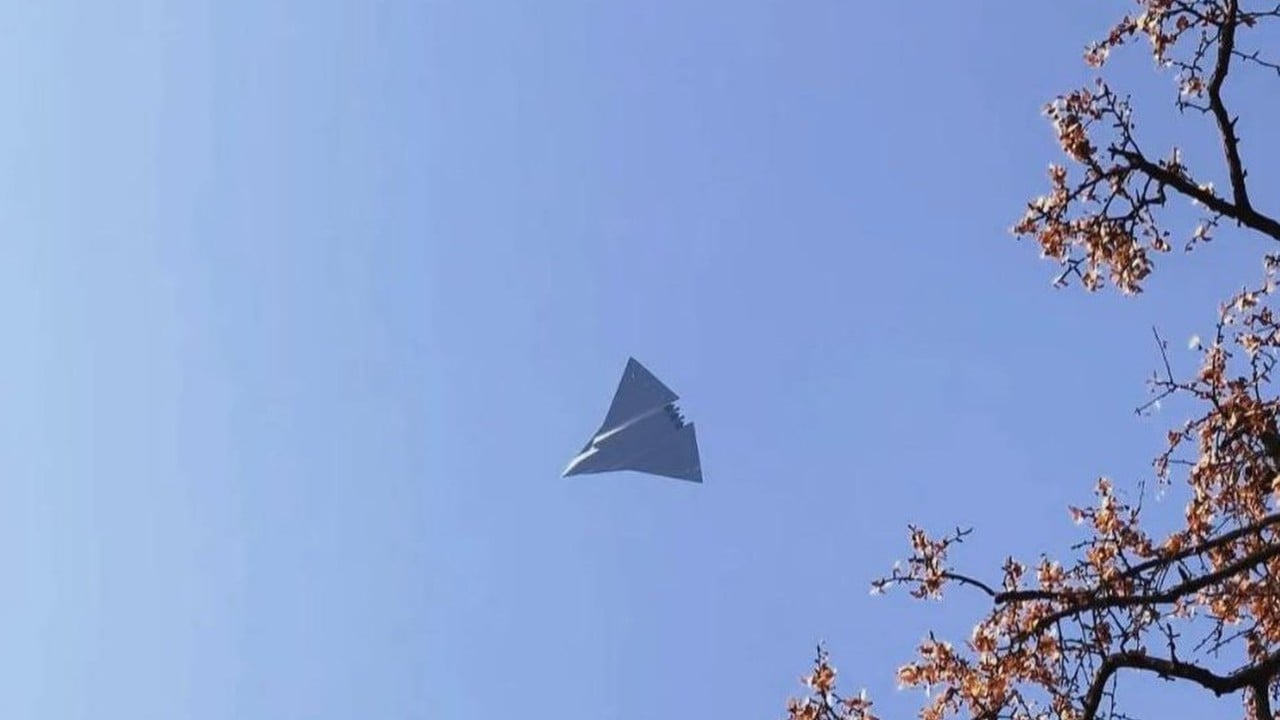
The physical buildout gained urgent context when observers identified two distinct sixth-generation fighter demonstrators—unofficially designated as the J-36 and the J-XDS—stationed on the ramp. These advanced aerodynamic concepts, featuring tailless configurations and unconventional planforms, require extreme operational security during their initial flight-test windows.
Operating these prototypes far from coastal manufacturing hubs shields them from foreign intelligence collection. The Taklamakan Desert and surrounding ranges provide a natural geographic barrier. Commercial maritime traffic, civilian flight paths, and prying eyes are absent.
Yet, secrecy is only half the equation. Flight testing advanced low-observable platforms requires dense telemetry, specialized electronic warfare evaluation ranges, and massive data-logging infrastructure. The newly built facilities at Lop Nur suggest that the People's Liberation Army Air Force is moving past basic aerodynamic envelope expansion. They are preparing for multi-aircraft integration trials. When two competing sixth-generation design concepts utilize the same remote testing infrastructure, the program has clearly transitioned from paper to hardware.
Beyond Tactical Fighters
The sheer physical scale of the new hangars keeps speculation alive regarding heavier strategic platforms. Defense observers have long tracked Beijing's development of the long-range, subsonic stealth bomber, commonly referred to as the H-20. While public sightings of the official bomber remain elusive, the infrastructure appearing at Lop Nur matches the architectural requirements of a strategic stealth fleet.
A flying-wing aircraft with an expansive wingspan cannot utilize standard tactical hardened aircraft shelters. It requires specialized climate-controlled bays, extensive maintenance footprints, and high-capacity fuel infrastructure. Recent additions of subterranean fuel storage tanks and circular engine run-up pads at Lop Nur directly support high-stress evaluation cycles for heavy, fuel-hungry airframes.
If the H-20 or related heavy strategic designs are nearing their flight-test milestones, Lop Nur offers the ideal geographic isolation required to shield those tests from overhead reconnaissance satellites belonging to rival powers.
The Strategic Reality
Washington and its allies monitor these desert developments with acute awareness. The Pentagon's own flight-test architecture at Edwards Air Force Base and Plant 42 has historically set the gold standard for secretive aerospace development. Yet, the speed at which China constructs sovereign infrastructure in remote regions highlights a distinct industrial tempo.
What matters is not just that new hangars are appearing in the desert sand. It is the systemic integration of the site into a broader modernization effort. From reusable spaceplanes to tailless fighter concepts and potential strategic bombers, Lop Nur functions as the crucible where future air dominance is forged.
The concrete is dry, the telemetry arrays are active, and the next phase of aerospace competition is already airborne over the salt flats.
Watch a detailed video analysis of the Lop Nur base expansion and its implications