Some athletes just play the game. Others rewrite the entire rulebook.
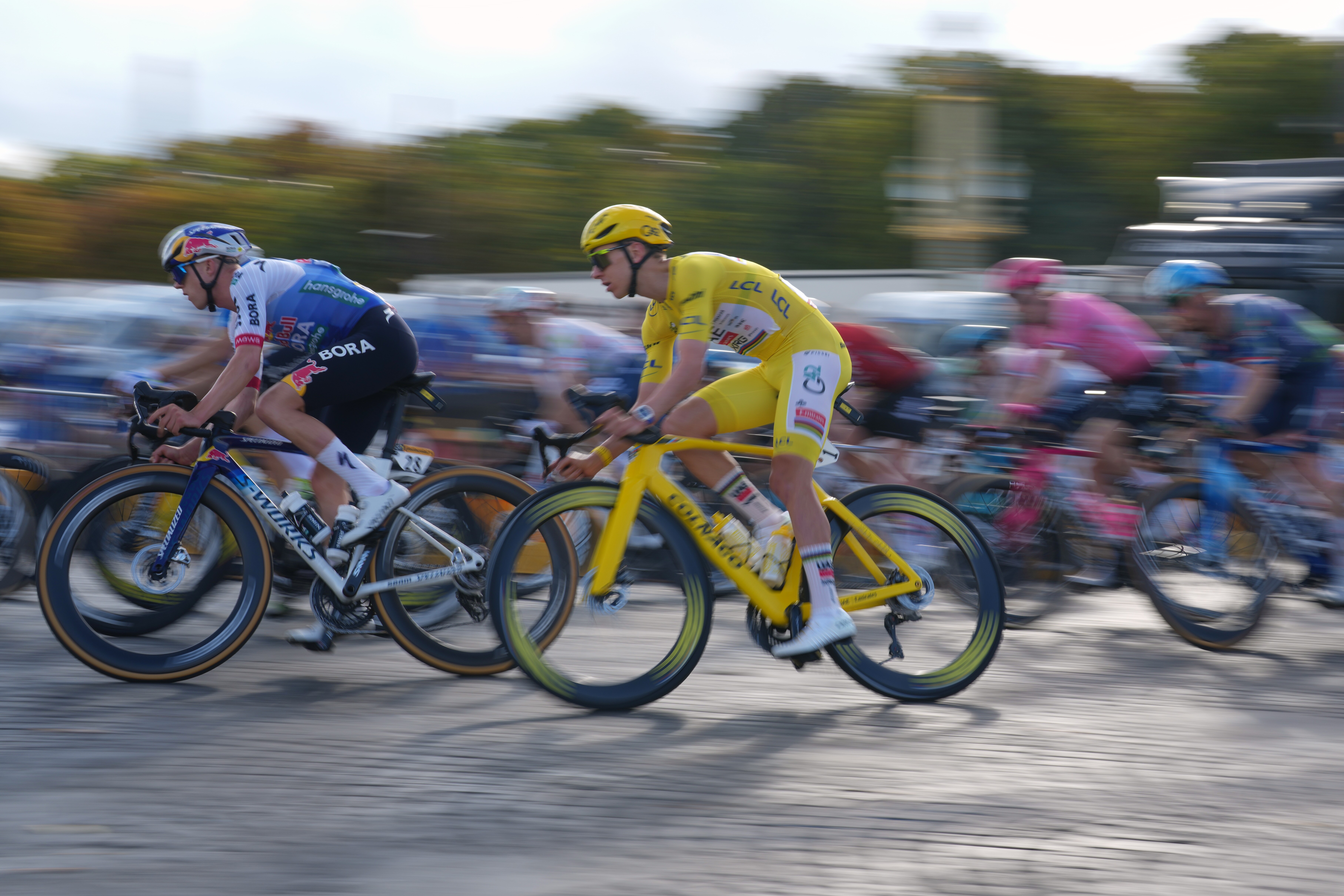
Tadej Pogačar just secured his fifth Tour de France victory in 2026, and cycling will never look the same. If you still think this sport is just about grinding up mountain passes in the French Alps, you haven't been paying attention. Pogačar doesn't just win; he shatters expectations, breaks historical records, and makes the hardest race on earth look like an afternoon club ride. Learn more on a similar issue: this related article.
The Anatomy of Absolute Dominance
Winning one Tour de France takes luck, grit, and a world-class team. Winning five puts you in an elite club alongside legends like Eddy Merckx, Bernard Hinault, Jacques Anquetil, and Miguel Indurain.
Let's look at the numbers. At just 27 years old, Pogačar has cemented a legacy that most riders can't touch in a lifetime. His 2026 campaign wasn't a cautious defense of a yellow jersey. He attacked from the opening stages, dictated the pace in the high mountains, and left time-trial specialists scrambling to limit their losses. Further analysis by The Athletic explores related views on the subject.
We see riders peak and fade every single season. Pogačar stays relentless. He races with a smile, attacks when nobody expects it, and shrugs off tactical conservatism. Cycling used to be about calculators and watt meters. Now, it's about pure instinct. He brings back the anarchic, thrilling style of racing from decades past, but with modern physical preparation.
Why the Old Playbook is Dead
For years, sports directors played it safe. They trusted the data. They protected their GC contenders until the final third week.
Pogačar threw that playbook in the trash years ago, and 2026 was the absolute proof of concept. He attacks with 80 kilometers remaining on flat-looking stages. He descends like a maniac. He sprints against pure sprinters just for fun.
If you're a young rider entering the professional peloton today, your entire training philosophy has to change. You can't just be an engine on climbs. You need bike-handling skills, tactical aggression, and the mental resilience to race hard from February to October.
"Racing bikes is about feeling the moment. If you wait for the perfect data point, the race is already gone."
That mindset is why fans pack the roadside by the millions. You never know what he's going to do next.
The Training Secrets Everyone Misses
People love to talk about VO2 max numbers and marginal gains. Those matter, obviously. But the real secret to Pogačar's longevity and dominance is sheer recovery capacity and joy.
Most Grand Tour contenders look miserable. They starve themselves, obsess over gram counts on their bikes, and look like ghosts by the third week. Pogačar eats pizza. He attacks hard in spring classics, takes short breaks, and returns to peak form without burning out.
If you want to understand how to build sustainable athletic performance, look at his calendar. He doesn't hide away altitude camps for ten months out of the year. He races everywhere. Flanders, Strade Bianche, Giro, Tour, Worlds. He treats cycling like a sport instead of a math equation.
What Comes After Five
History tells us that reaching five Tour de France titles changes a rider's psychology. The pressure shifts. The chase becomes an era.
Merckx won five. Hinault won five. Anquetil won five. Indurain won five.
By tying that legendary record at 27, Pogačar has plenty of road left to stand completely alone at the top of the mountain with six, seven, or more yellow jerseys. More importantly, he's changing how the next generation approaches the sport. Kids aren't just learning how to time-trial anymore; they're learning how to attack.
Grab your bike, study the way he reads a crosswind, and stop racing scared.