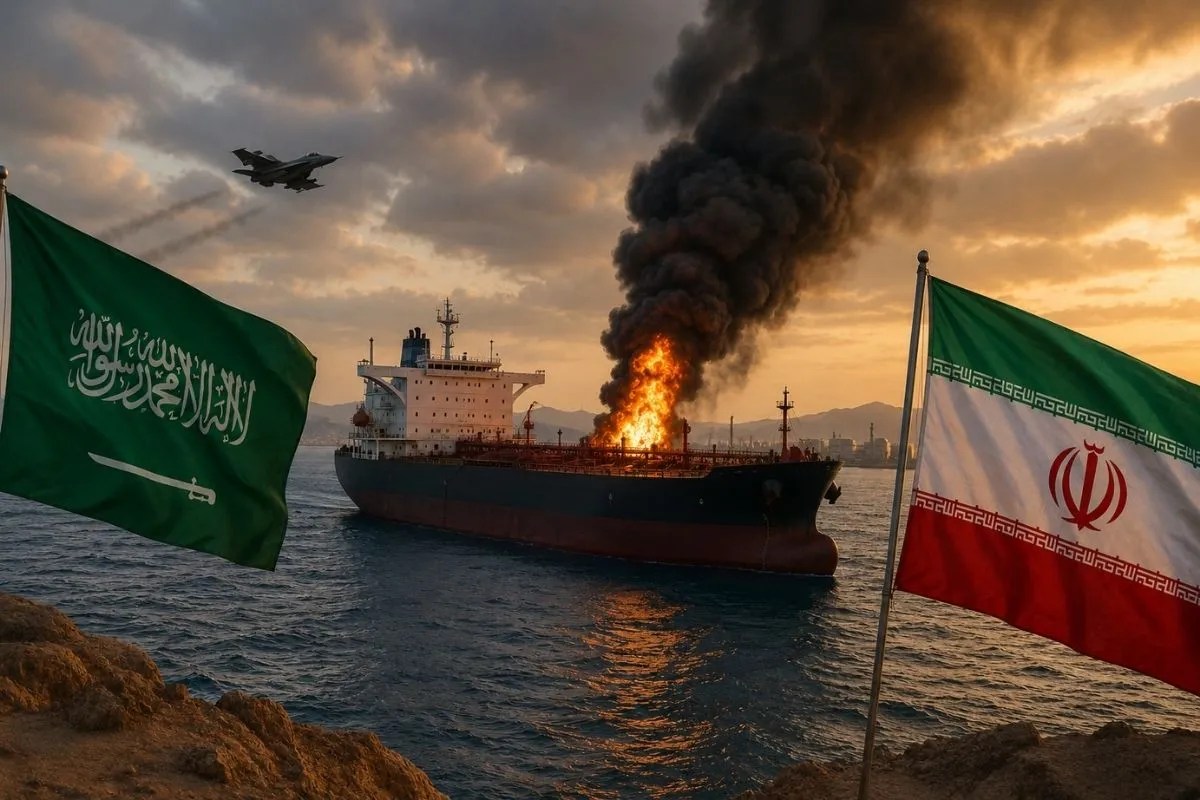
Moscow is playing a dangerous game that puts American sailors directly in the crosshairs. Reports reveal that Russian specialists have quietly assisted Iran in developing advanced supersonic cruise missiles. This isn't just about regional posturing. It alters the balance of power in the Gulf and threatens US aircraft carriers in ways military planners cannot ignore.
For years, Washington worried about Iran's swarm boats and conventional ballistic arsenals. Those threats were manageable with modern Aegis combat systems. Supersonic cruise missiles change the math entirely. When a projectile travels at multiple times the speed of sound, reaction times shrink from minutes to mere seconds.
The Quiet Tech Transfer Behind C430L
Investigations published by outlets like the Financial Times point to a secretive cooperative project—reportedly tracked under codename C430L—dating back to 2023. Moscow didn't just hand over blueprints. They deployed seasoned missile engineers to help Tehran master ramjet propulsion technology.
Ramjet engines require high-precision manufacturing and specialized materials that can withstand blistering thermal stress. Iran historically struggled to produce these systems independently. By lending technical expertise, Russia is effectively helping Tehran bridge a massive technological gap.
This quid pro quo makes total sense when you look at the broader picture. Tehran previously supplied Moscow with thousands of loitering munitions and drone technology for use in Ukraine. Russia is now returning the favor with high-end military tech that directly challenges Western dominance at sea.
Why Carriers Face Greater Dangers Today
Aircraft carriers are the crown jewels of the US Navy. They project unmatched power across the globe. Yet, they remain vulnerable to saturation attacks and high-speed anti-ship missiles.
Traditional anti-ship missiles fly at subsonic speeds, giving defense batteries ample opportunity to intercept them with close-in weapon systems or electronic countermeasures. Supersonic and hypersonic trajectories compress that defensive window. If an incoming threat skims the water at Mach 3, automated defense grids have almost zero margin for error.
Iran's geographic position along the Strait of Hormuz gives them a natural choke point advantage. Equipping proxy networks or regular military units with Russian-backed missile tech means any future maritime escalation in the Middle East will carry a catastrophic cost.
Intelligence Sharing and the Broader Threat Matrix
Beyond propulsion design, intelligence sharing has ramped up significantly. Moscow has reportedly provided Tehran with tactical data regarding American troop, ship, and aircraft deployments in the region.
This level of operational coordination means Iran isn't operating in the dark. They have eyes and ears backed by sophisticated Russian surveillance assets. Washington faces a multi-front geopolitical challenge where adversaries actively pool resources to neutralize traditional American deterrence.
Policymakers in Washington downplay these developments publicly, calling them minor background noise. Military commanders on the ground know better. When a nation under heavy sanctions acquires supersonic missile capabilities through foreign patronage, complacency becomes a fatal strategy.
Keep a close eye on how the Pentagon adapts its electronic warfare and kinetic defense layers in the Gulf over the coming months. The era of unchallenged American naval supremacy in narrow straits is facing its toughest stress test yet.
Russia Helping Iran Build Supersonic Cruise Missiles - YouTube
This video provides an in-depth breakdown of the reported secret missile collaboration between Moscow and Tehran and what it means for naval defense strategies.
http://googleusercontent.com/youtube_content/1