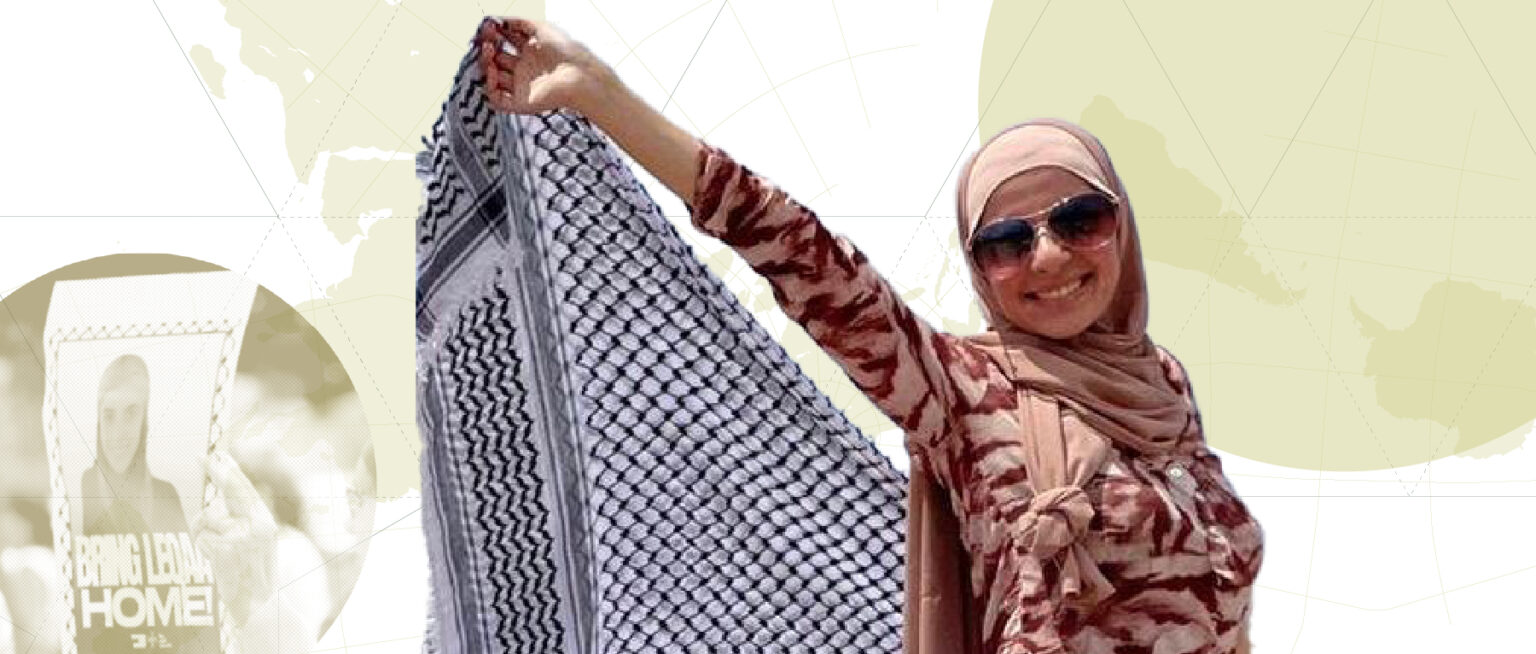
Leqaa Kordia is finally home. After weeks of uncertainty and a massive grassroots mobilization, the Palestinian activist walked out of Immigration and Customs Enforcement (ICE) custody. Her release isn't just a win for her family; it’s a massive signal that the current administration's approach to detaining activists is facing a breaking point. If you’ve been following the surge in Palestinian rights advocacy across the U.S., you know Kordia’s case became a flashpoint for a much larger debate about free speech and the specific targeting of community organizers.
The system didn't just let her go because it felt like it. It happened because the pressure became too loud to ignore. Building on this idea, you can also read: Why the Green Party Victory in Manchester is a Disaster for Keir Starmer.
The Arrest That Sparked a Movement
When ICE agents detained Kordia, it wasn't a quiet affair. She’s a well-known figure in her community, respected for her work highlighting the humanitarian crisis in Gaza and advocating for Palestinian self-determination. Her detention felt calculated. For many, it looked like a clear attempt to silence a vocal critic during a time of intense political sensitivity.
Activists often face "administrative" hurdles that magically appear when their public profile grows. Kordia's case followed that exact script. She was held at a facility known for its harsh conditions, and for a while, it looked like she might be stuck in the legal gears indefinitely. Analysts at USA Today have shared their thoughts on this situation.
But then the community stepped in. We saw a rare alignment of local legal experts, national human rights organizations, and thousands of individuals who flooded phone lines and social media feeds. They weren't just asking for her release—they were demanding an explanation for why a non-violent community leader was being treated like a high-level threat.
Why This Release Matters Right Now
Kordia’s freedom comes at a time when the Department of Homeland Security is under a microscope. There’s a growing pile of evidence suggesting that ICE is being used as a tool for political suppression. When you look at the timing of her arrest, it’s hard to see it as a coincidence.
It’s about the "chilling effect." If the government can pick up a prominent activist and disappear them into a detention center for weeks without a clear criminal charge, other activists might think twice before speaking up. Kordia’s release proves that this tactic can backfire. Instead of silencing the movement, her detention provided a central rallying cry that bridged different advocacy groups.
The legal strategy used here was clever. Her lawyers didn't just play defense. They went on the offensive, challenging the very basis of her detention and highlighting procedural failures that are all too common in the immigration system. They turned a private legal battle into a public trial of ICE's ethics.
The Reality of Life Inside ICE Detention
We need to talk about what "detention" actually looks like. It’s not a waiting room. It’s a jail. Reports from the facility where Kordia was held frequently mention poor medical care, limited access to legal counsel, and isolation from family. For a Palestinian activist, the psychological toll is even higher. You’re dealing with the trauma of what’s happening in your homeland while being trapped in a system that feels designed to break your spirit.
Kordia’s resilience during this period was remarkable. From the bits of information that leaked out during her stay, it was clear she wasn't backing down. That kind of grit is what kept the momentum going on the outside. When people saw she hadn't given up, they doubled their efforts.
What This Means for Future Activism
If you think this is the end of the story, you're wrong. Kordia’s release is a tactical victory, but the structural issues remain. Thousands of others are still sitting in those same cells without the benefit of a national viral campaign.
The success of the "Free Leqaa" movement provides a blueprint for how to handle these situations in the future. It showed that you can't just rely on the courts. You need a two-pronged attack:
- High-level legal intervention that knows the ins and outs of immigration law.
- A relentless public relations campaign that makes the detention a political liability for the people in charge.
The "legal-only" approach often fails because the system is weighted against the immigrant. You need the noise. You need the protests. You need the uncomfortable questions being asked at press conferences.
The Next Steps for the Movement
Kordia is back, but she’s not staying quiet. The focus now shifts to ensuring this doesn't happen to the next person. There’s already talk of new legislative pushes to limit ICE’s ability to detain people based on their political affiliations or speech.
Don't let the headlines fool you into thinking the job is done. Kordia still has to navigate the complexities of her legal status, and the threat of re-detention is a shadow that many activists live under every day.
If you want to support this cause, don't just post a hashtag. Look into local bail funds that help people who don't have Kordia's visibility. Support organizations like the National Immigration Law Center or local Palestinian advocacy groups that are doing the unglamorous work of reading through court filings and visiting detention centers. The win for Leqaa Kordia is a win for the First Amendment, but it's a fragile one. Keep the pressure on the agencies that think they can operate in the dark. Monitor the upcoming hearings, stay informed on policy shifts regarding "national security" labels used against activists, and keep demanding transparency from the DHS. The price of silence is too high.