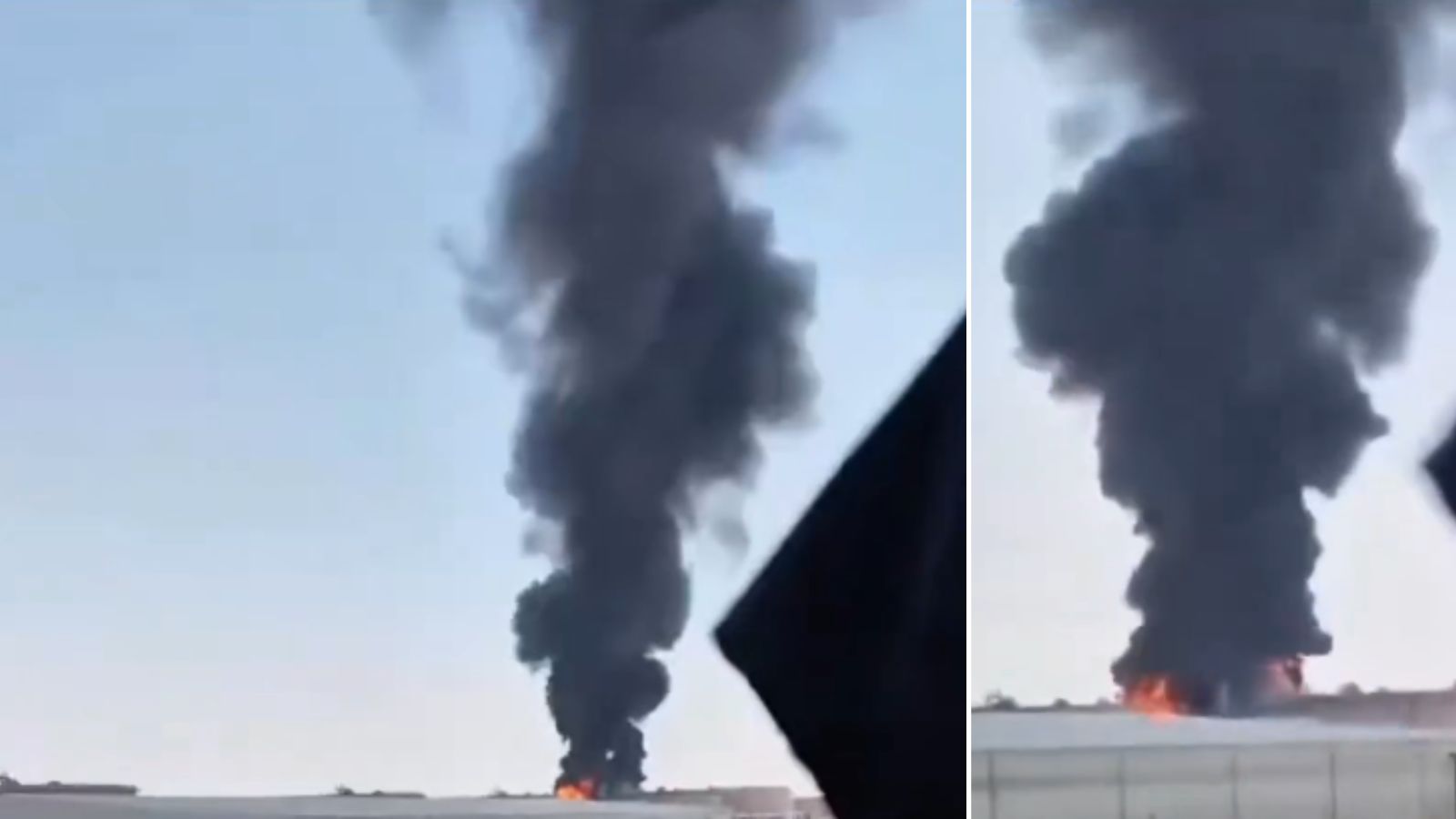
Air travel is fragile. One sudden incident halfway across the globe can throw a wrench into thousands of itineraries within hours. When geopolitical tensions flare up in the Middle East, the ripple effects hit international carriers instantly.
If you remember the operational chaos following reported Houthi drone and missile activity targeting infrastructure in Saudi Arabia, you know how fast airspace restrictions change. Etihad Airways didn't hesitate. They pulled the plug on flights between Abu Dhabi and key regional points to keep passengers and crew out of harm's way.
Most travelers assume airlines have endless contingency plans. They don't. When safety margins shrink, flights simply stop.
What Happens When Airspace Closes Overnight
A closed flight corridor creates a domino effect. Planes are in the wrong place. Crews time out of legal duty hours. Passengers sit stranded in transit hubs waiting for rebooking agents who are completely overwhelmed.
Etihad's cancellation of specific regional legs wasn't just an isolated logistical hiccup. It was a textbook reaction to immediate risk assessments. Airlines pull feeds from intelligence agencies, defense contractors, and local aviation authorities in real time. The moment a threat level crosses a certain threshold, dispatchers ground the fleet.
You cannot afford to rely on old assumptions when flying through volatile zones. Schedules get rewritten in minutes.
The Real Cost for Passengers Caught in the Middle
Missing a connection because of a regional security incident is exhausting. Airlines scramble to accommodate thousands of displaced flyers, but physical capacity at hubs like Abu Dhabi or Riyadh has limits.
Here is what you actually face on the ground:
- Hotel vouchers run out fast during major disruptions because hundreds of flights get grounded simultaneously.
- Customer service lines stretch for hours, and phone queues disconnect automatically due to sheer call volume.
- Partner airlines might refuse to honor tickets if the original carrier's inventory is locked.
You need a strategy before you head to the airport. Never assume your itinerary is safe just because your departure board says "on time."
How to Protect Your Itinerary Before It Falls Apart
Smart travelers don't wait for gate agents to rescue them. You have to take control of your own transit path.
Track your flight using independent radar apps rather than waiting for official airline updates. Carriers often lag behind real-time airspace closures. If you see neighboring flights turning around or holding patterns forming over the Arabian Peninsula, start looking at alternative routes immediately.
Keep a backup credit card with a high credit limit. Emergency rebooking often requires buying a brand-new ticket on the spot while you wait months for a refund on the original disrupted segment. Travel insurance helps, but policies written years ago often exclude specific geopolitical risks or active conflict zones. Read your fine print before you fly.
Flexibility remains your best defense. If a regional route looks shaky, rerouting through a wider international loop can save you days of terminal waiting.
Check flight trackers daily if you travel through high-risk corridors. Pay attention to regional security updates long before you pack your bags.