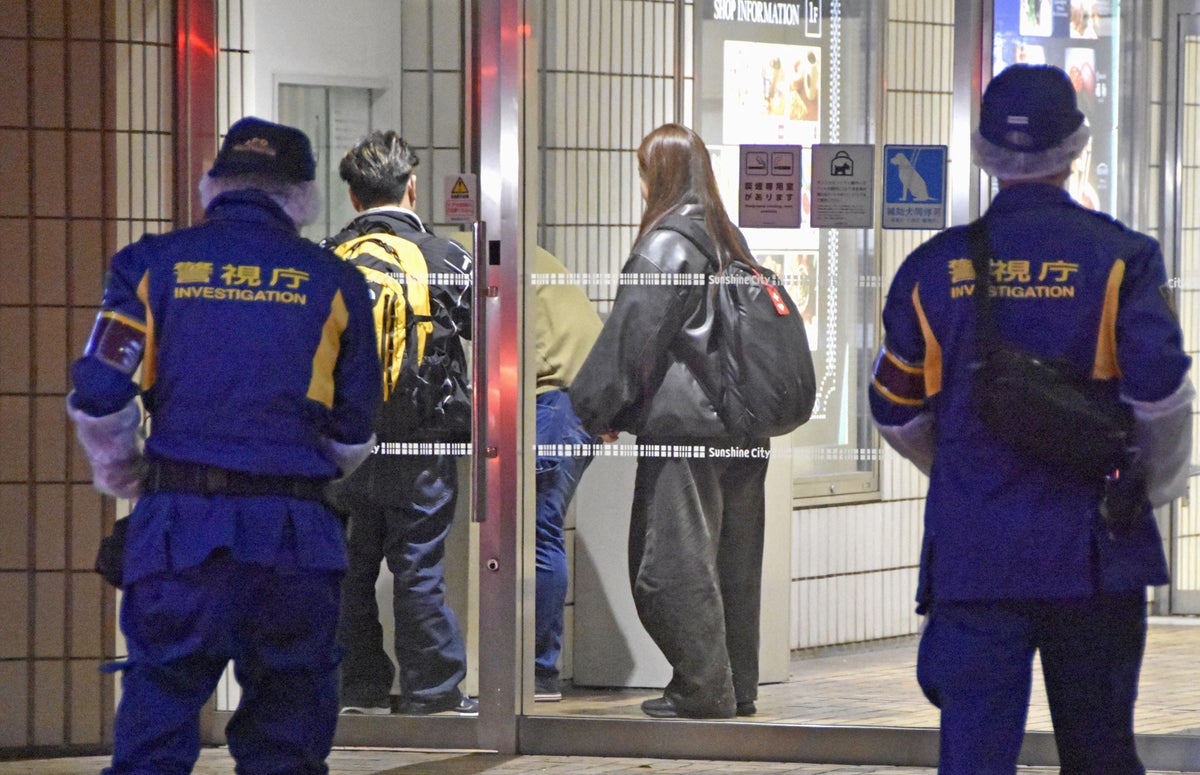
Tokyo doesn't feel like the kind of place where you have to look over your shoulder while buying trading cards. For decades, the city's retail hubs like Sunshine City in Ikebukuro have been the gold standard for urban safety. That illusion shattered when a staff member at a Pokémon store was targeted and killed in broad daylight. It wasn't just a random act of violence. It was a wake-up call for a retail culture that has long relied on the "safety myth" of Japan.
The incident involved a male worker in his 20s who was stabbed by a man wielding a knife inside the crowded shopping complex. Witnesses described a scene of absolute chaos. One minute, families were lining up for limited-edition plushies; the next, they were sprinting for the exits as blood stained the linoleum. This wasn't a dark alleyway encounter. It happened in a space designed for joy, and that's exactly why it has resonated so painfully across the country.
Why Retail Security in Japan is Changing Overnight
For years, Japanese department stores and specialty shops like the Pokémon Center operated with minimal visible security. You’d see a "guard" who was mostly there to bow and give directions. That's over. We're seeing a fundamental shift in how "soft targets" are protected in Tokyo.
The suspect in the Pokémon store stabbing was apprehended relatively quickly, but the damage was done. When you look at the statistics, Japan remains incredibly safe compared to the United States or the UK. However, "street random" attacks—known locally as toriama—are a specific, terrifying phenomenon that the Japanese police are struggling to contain. These are often motivated by social isolation or "hikikomori" issues where the perpetrator feels they've been pushed to the edge of society.
Retailers are now scrambling. They’re looking at stab-resistant vests for staff and more aggressive floor monitoring. It’s a bitter pill to swallow for a culture that prizes hospitality (omotenashi) above all else. How do you welcome a customer with a warm smile when you're secretly scanning their waistband for a blade? You can't. Not easily, anyway.
The Mental Health Crisis Hiding in Plain Sight
We need to talk about why these attacks keep happening in high-traffic commercial zones. Akihabara had its massacre in 2008. Sagamihara had its tragedy in 2016. Now, Ikebukuro joins the list of places scarred by extreme violence. The common thread isn't just the weapon; it's the target.
These attackers often pick crowded, happy places because they want the maximum amount of "social revenge." They hate the vibrancy they see around them. By attacking a Pokémon store worker, the perpetrator hit at a symbol of global Japanese success and childhood innocence. It’s a calculated strike against the collective psyche.
The Japanese National Police Agency (NPA) has noted a rise in these types of unprovoked assaults over the last decade. While the raw numbers are still low, the psychological impact is massive. It creates a "copycat" risk that keeps the public on edge. If you're a tourist or a local, the advice used to be "just stay aware." Now, it's about knowing where the fire exits are before you even look at the price tags.
What This Means for Your Next Trip to Ikebukuro
If you're planning to visit Sunshine City or any major Tokyo mall, don't expect the same relaxed vibe from five years ago. You’re going to see more police. You’ll see more private security with actual batons instead of white gloves. Some stores are even experimenting with AI-driven surveillance that flags "suspicious behavior," though the effectiveness of that tech is still a huge debate among privacy advocates.
The Pokémon Company issued a brief statement expressing their devastation, but the corporate response is only half the story. The real story is the loss of a young life in a job that should have been safe. Retail work shouldn't be a high-risk profession.
Practical Steps for Staying Safe in High Traffic Zones
Situational awareness isn't paranoia. It’s a tool. When you're in a massive complex like Sunshine City, the layout is a labyrinth. Most people get lost just trying to find the bathroom. In an emergency, that's a death trap.
Stop and look at the floor maps. Identify at least two ways out of any floor you're on. Don't wear noise-canceling headphones in crowded areas. You need your ears to hear the shift in the crowd's energy before you see the threat. If you see people running, don't stop to take a video for social media. Move in the opposite direction immediately.
The Tokyo Metropolitan Government is under pressure to increase mental health outreach to prevent these "lone wolf" attacks, but that's a long-term fix. For now, the burden of safety has shifted onto the shops and the shoppers themselves. It's a heavy weight for a city that used to be the safest place on Earth.
Check the official safety advisories from your local embassy before traveling, and keep a digital copy of your ID on your phone. If you're in a store and feel the vibe is off, trust your gut and leave. No souvenir is worth the risk.