Somalia is facing a nightmare that most of the world isn't even looking at. Right now, nearly 2 million children in the country are staring down the barrel of acute malnutrition. It's a crisis built on years of drought and internal fighting, but a new, distant factor is making everything much worse: the escalating war in Iran.
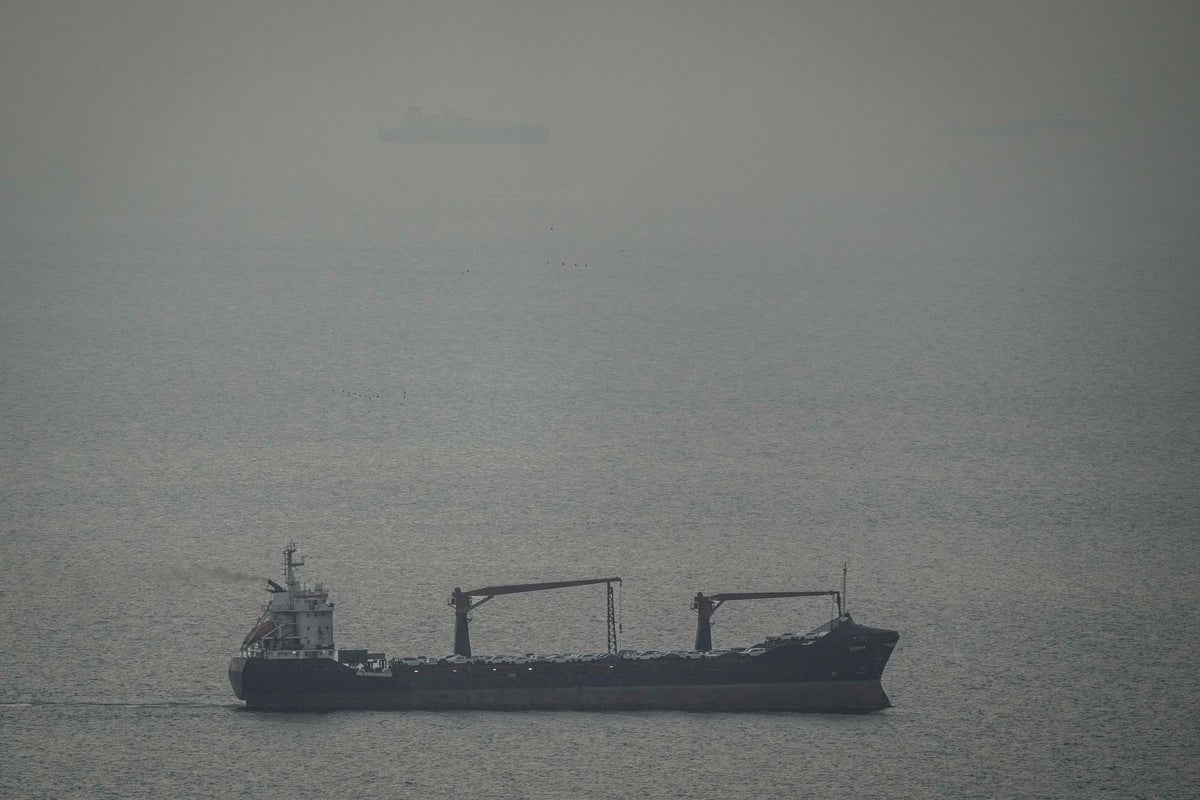
You might wonder how a conflict over 2,000 miles away in the Persian Gulf ends up starving a toddler in a displacement camp near Mogadishu. It’s not a mystery once you look at the math of global aid. When the Strait of Hormuz—a vital artery for global trade—gets choked by military operations, the ripple effects hit the world’s most vulnerable people first.
The high price of a distant war
For humanitarian organizations like UNICEF, the war in Iran is a massive "shock to the system." It isn't just about the headlines; it's about the literal cost of moving a box of therapeutic peanut paste from a warehouse to a hungry child.
- Shipping costs are exploding: With the Strait of Hormuz largely blocked, transport costs for aid are jumping by 30% to 60%. On some specific routes, prices have actually doubled.
- Fuel is a luxury: Somalia relies heavily on imports. As regional oil prices spike, the cost of trucking water to drought-stricken villages or running generators at rural health clinics has become unaffordable.
- Logistics gridlock: Aid shipments worth millions—including vaccines and life-saving food—are currently stuck in transit or being rerouted. Every day of delay is a day a child goes without treatment.
Catherine Russell, UNICEF’s Executive Director, recently visited Dollow in southern Somalia and didn't mince words. She noted that children are already "on the edge," and these new economic pressures are pushing them over. When you combine a 200% increase in water prices with a global aid budget that’s being slashed, you get a recipe for a catastrophe.
A hunger crisis that won't wait
The numbers coming out of Somalia this March are staggering. About 6.5 million people—roughly a third of the population—are facing crisis-level hunger. But the data on children is what should keep you up at night.
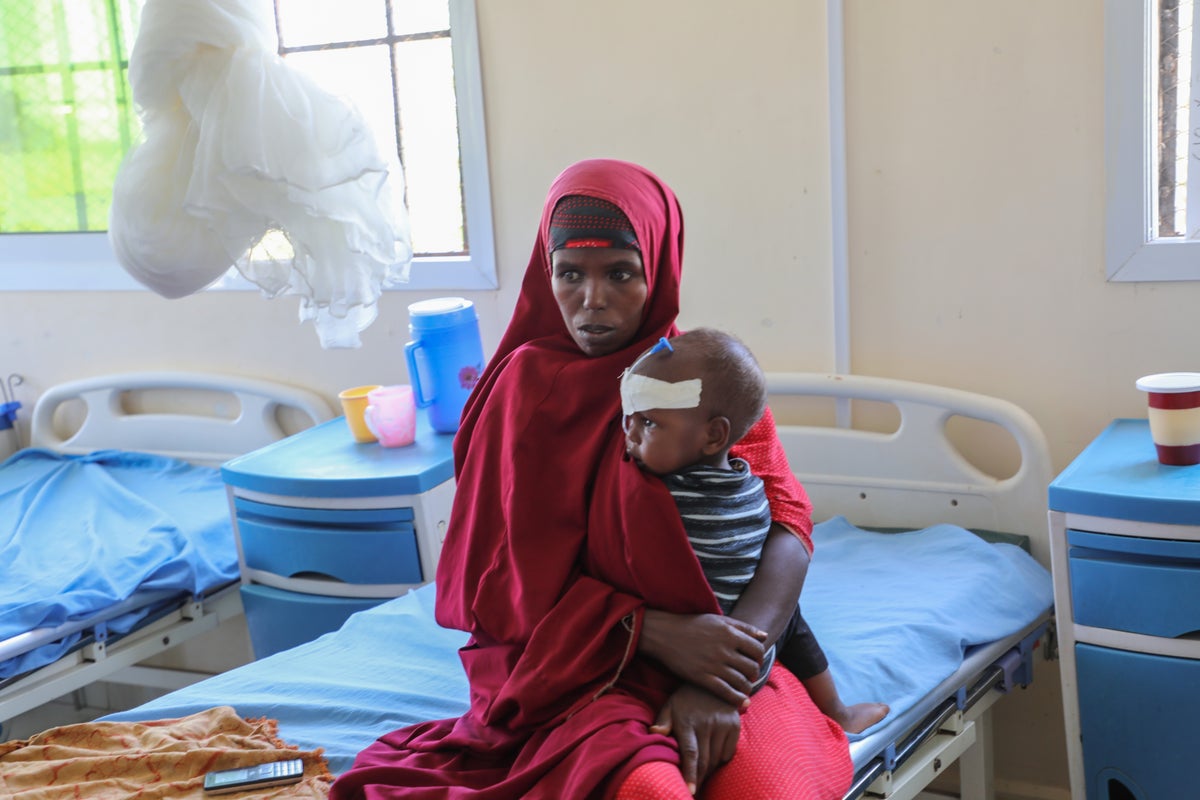
We’re looking at 1.84 million children under the age of five expected to suffer from acute malnutrition this year. Out of those, nearly half a million are in the "severely malnourished" category. That’s the stage where the body starts consuming its own muscle and organs just to stay alive.
Why the health system is collapsing
It’s not just that there’s no food; it’s that there’s nowhere to go when things get bad. Over the past year, more than 400 health and nutrition facilities across Somalia have shut their doors.
Most of these closures happened because of massive funding cuts from major donors like the United States. It's a brutal irony: just as the need is peaking, the money is vanishing. UNICEF is currently appealing for $121 million for its 2026 operations in Somalia, but so far, they’ve received less than $20 million.
When a clinic closes, a mother loses her only source of prenatal care, and her children lose their chance at routine vaccinations. This has led to a surge in preventable diseases like cholera, measles, and diphtheria. In a body already weakened by hunger, these diseases are often a death sentence.
Life in the Ladan displacement camp
If you want to see the human face of these statistics, you look at places like the Ladan camp. It’s a sprawl of thousands of shelters made of plastic sheets and sticks, baking under the sun.
Families arrive here after losing everything. I’m talking about farmers whose livestock died because the rains failed for the fifth or sixth time in a row. They come to the camps hoping for aid that is increasingly hard to find.
Shamso Nur Hussein, a 20-year-old widow in the camp, recently told reporters that her family had survived on nothing but black tea since the morning. Her story isn't an outlier. In the Dollow hospital, the wards are packed with children who are essentially skeletal. Doctors there say they used to see moderate cases; now, almost everyone arriving is in critical condition.
The geopolitical bottleneck
The 2026 Iran war has triggered what some call the "greatest global energy and food security challenge in history." Because 35% of the world’s crude oil and 30% of the fertilizer trade pass through the Strait of Hormuz, the blockade is felt in every farm and kitchen in East Africa.
For a Somali farmer, higher fertilizer prices mean they can’t plant enough crops. For a displaced mother, it means the price of a bag of grain in the local market just jumped beyond her reach.
The world is distracted by the high-tech warfare in the Gulf, but the "low-tech" suffering in Somalia is just as much a part of that conflict. We’re seeing a polycrisis where climate change, local conflict, and global economic warfare are all hitting the same square inch of the map at the same time.
What needs to happen right now
If we don't want to see a repeat of the 2011 famine that killed a quarter of a million people, the response has to change immediately.
- Immediate funding injection: The $121 million appeal from UNICEF is tiny in the grand scheme of a war budget, but it’s the difference between a child surviving or starving.
- Sustained health services: We have to stop the closures of those 400 clinics. Every shut door is a death warrant for a community.
- Alternative aid corridors: Humanitarian agencies need to find ways to bypass the Persian Gulf bottlenecks to get food and medicines into Mogadishu more reliably.
The Somali people are incredibly resilient—they’ve survived more than their share of disasters—but the current situation is breaking their ability to cope. If you want to help, you can look for organizations that are still on the ground like UNICEF, Save the Children, or the World Food Programme. Every dollar and every minute matters.
The war in Iran is a tragedy, but the children of Somalia shouldn't have to pay for it with their lives.