Corporate public relations failures usually follow a predictable trajectory. A tone-deaf advertisement airs, consumers voice their anger on social media, and an executive issues a carefully worded apology drafted by a team of highly paid legal advisors. Then everyone moves on.
But what occurred at Starbucks Korea was entirely different. On May 18, 2026, the country's dominant coffee operator managed to trigger a profound cultural crisis that drew immediate condemnation from the nation's president and resulted in the swift firing of Chief Executive Sohn Jeong-hyun.
The catalyst was an online promotion for a line of reusable drinkware known as "Tank tumblers." Starbucks Korea designated May 18 as Tank Day, coupling the product launch with promotional slogans like "Tak! on the Desk." To a foreign observer, it might look like a standard, poorly synchronized retail campaign. In South Korea, it was instantly recognized as an egregious, potentially malicious mockery of two of the darkest chapters in the country's modern fight for democracy.
The Weight of May 18
To understand why Shinsegae Group, the retail giant that operates Starbucks Korea under licence, took the extraordinary step of immediately dismissing Sohn and the marketing executives responsible, you have to understand the specific local context of the date.
May 18 is the anniversary of the 1980 Gwangju Democratic Uprising. On that day forty-six years ago, students and ordinary civilians rose up against the military dictatorship of Chun Doo-hwan. The regime responded with brutal force, deploying paratroopers and armored tanks to crush the protests. Official records state that at least 165 people were killed, with hundreds missing or dying later from injuries, though the actual toll is widely believed to be much higher.
Running a corporate promotion explicitly labeled "Tank Day" on the exact day the country commemorates a massacre perpetrated by military tanks is not a minor oversight. It is a massive corporate failure.
Key Historical Touchpoints Violated by the Campaign:
- May 18, 1980: The Gwangju Massacre, where military tanks crushed pro-democracy protesters.
- January 1987: The torture death of student activist Park Jong-chul, covered up by police.
The offense deepens with the secondary phrase used in the app promotion: "Tak! on the Desk" (sometimes translated as a sharp thwack or tapping sound). In South Korea, that specific phrasing is inseparable from the 1987 death of student activist Park Jong-chul, who was tortured to death by authorities. At the time, the dictatorship's National Police Headquarters attempted a transparent cover-up, issuing a infamous statement to the press: "We hit the desk with a 'tak', and he went 'ugh' and died."
Combining references to military tanks and the infamous cover-up of a student's torture on the anniversary of the Gwangju uprising goes far beyond standard corporate clumsiness.
Blind Spots in Corporate Compliance
The central question facing industry analysts is simple: How does an organization as sophisticated as Starbucks Korea let a disaster of this magnitude pass through its approval pipeline?
This was not a rogue social media post published by an entry-level intern in the middle of the night. It was a coordinated digital event featuring structured merchandise packages like the "Colorful Tank Tumbler Set" and the "Tank Duo Set," fully integrated into the official Starbucks mobile app.
A campaign of this size requires multiple tiers of corporate approval:
- Brand managers evaluating product alignment
- Graphic designers creating digital assets
- Copywriters drafting app text
- Legal or compliance teams reviewing public-facing material
For this campaign to go live, every single layer of that internal review process had to fail simultaneously.
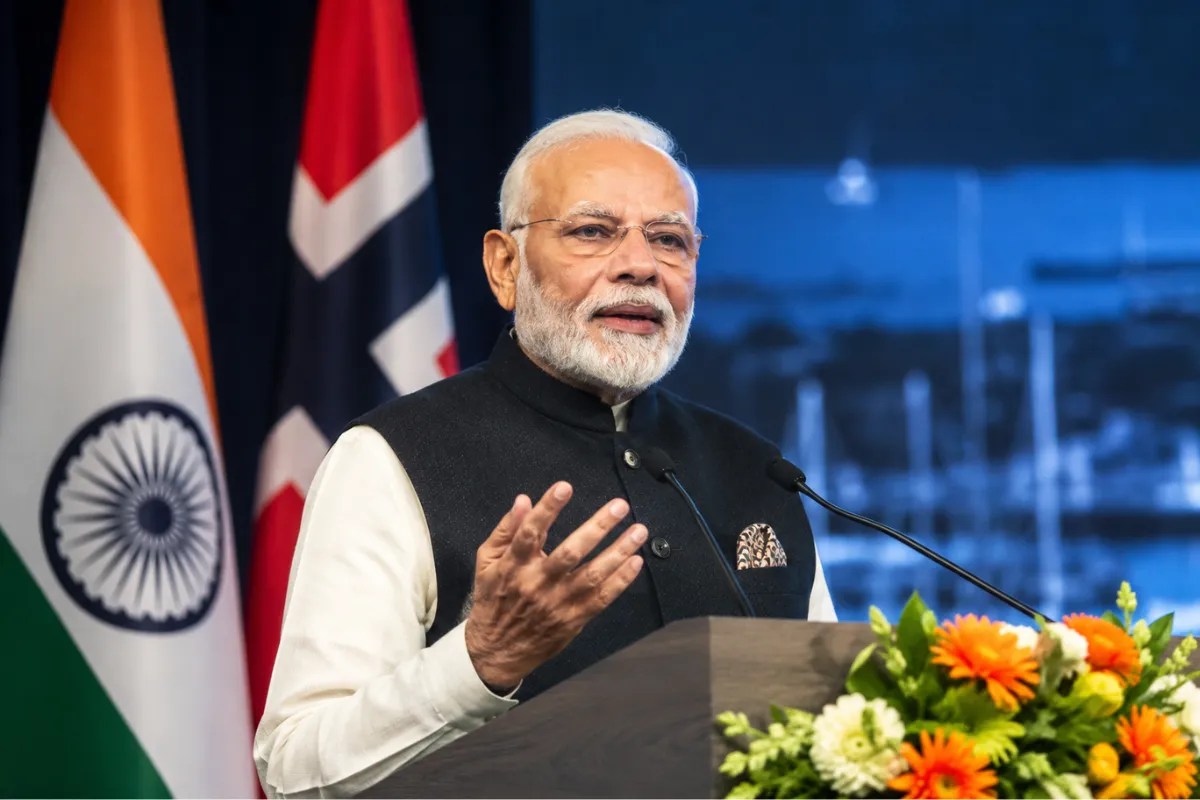
The rapid escalation of the crisis highlights the immense political stakes involved. South Korean President Lee Jae-myung, who was attending the official Gwangju memorial services when the news broke, openly condemned the coffee chain on social media. He characterized the campaign as the work of "low-class peddlers" engaged in a disgraceful, inhumane profit stunt that actively insulted fundamental human rights and national democratic history.
When a head of state publicly targets a commercial enterprise, a routine public relations response is no longer an option.
The Shinsegae Factor and the Right-Wing Dog Whistle
The immediate termination of CEO Sohn Jeong-hyun by Shinsegae Group Chairman Chung Yong-jin was a desperate attempt at damage control, but it also exposed deeper corporate vulnerabilities.
Within hours of the app going live, civic groups like the Gwangju-Jeonnam Memorial Coalition openly accused Starbucks management of harboring a biased, right-wing historical consciousness that was deliberately expressed through marketing channels. This accusation carries profound weight because far-right internet communities in South Korea have spent years circulating discredited historical revisionism, frequently mocking Gwangju victims and falsely framing the pro-democracy movement as a North Korean conspiracy.
Starbucks Korea Ownership Structure:
- Operated under license by E-mart (a subsidiary of Shinsegae Group).
- Shinsegae Group maintains strict operational and executive control over the local market.
Furthermore, the scandal directly revived public scrutiny of Chairman Chung Yong-jin himself. Back in 2022, Chung sparked a prolonged public controversy by repeatedly posting anti-communist slogans and hashtags like "eradicate communism" on his personal social media accounts. Because those specific rhetorical themes are deeply intertwined with far-right political factions in South Korea, labor organizations like the Mart Industry Labor Union immediately demanded that Shinsegae halt what they termed "anti-historical" behavior.
Whether the "Tank Day" text was a highly coordinated political provocation by an internal employee or an example of profound historical ignorance remains to be seen. But in a hyper-connected market like South Korea, the distinction is almost irrelevant. The financial and reputational consequences are exactly the same.
Rebuilding Trust from a Total Failure
Starbucks Korea pulled the campaign down within hours and issued an unconditional apology, stating that they "sincerely bow our heads in apology to the spirits of May 18." The company has promised to implement immediate, mandatory historical awareness and ethical training for all employees to ensure such an incident never recurs.
However, rebuilding a damaged corporate reputation requires more than mandatory human resources seminars. When a company manages to offend the public, organized labor, and the office of the president all in a single morning, the path to recovery is long and painful.
The firing of the chief executive serves as a stark warning to multinationals operating across the globe. Local cultural literacy is not an optional asset for marketing teams. It is a foundational element of risk management. When corporate leadership fails to respect the foundational historical traumas of the societies they serve, they risk losing their market entirely.