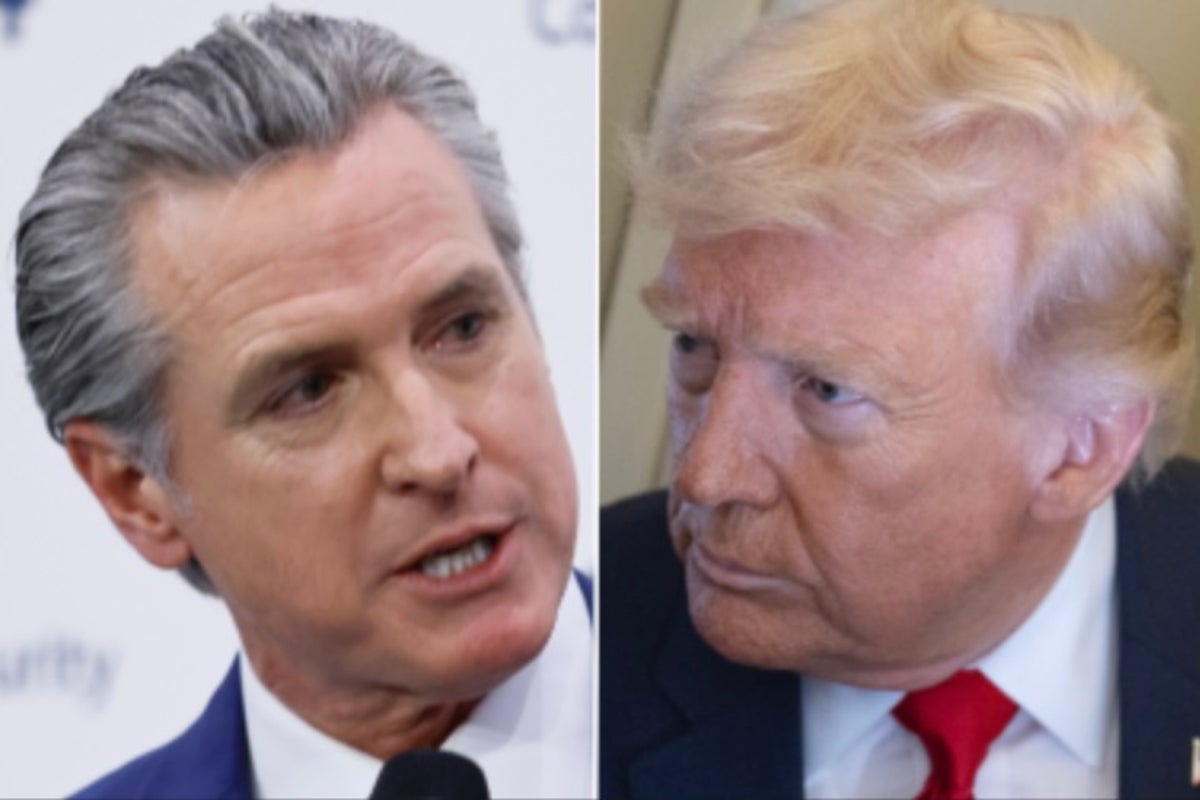
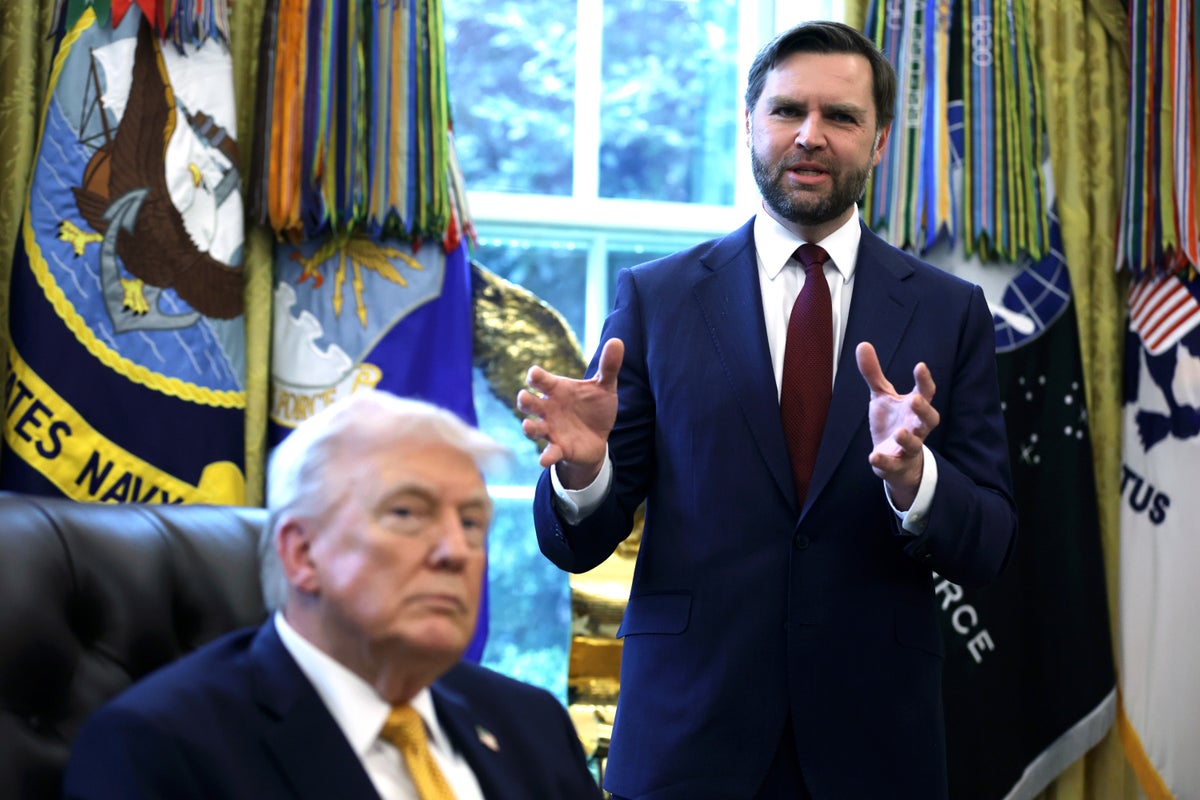
Donald Trump isn't exactly known for subtle foreign policy, but his recent comments about having the "honor of taking Cuba" have sent shockwaves through the Caribbean. He told reporters in the Oval Office that he can basically do anything he wants with the island. It’s a bold claim, even for a guy who once tried to buy Greenland. But if you look past the headlines, there’s a much more complex and desperate situation unfolding just 90 miles off the coast of Florida.
Cuba is currently running on fumes. Literally. The national power grid has collapsed multiple times in the last few months, leaving 10 million people sitting in the dark. This isn't just bad luck or old infrastructure. It’s the result of a calculated, high-pressure campaign that some are calling the "Don-roe Doctrine"—Trump’s modern-day spin on the Monroe Doctrine of 1823.
Why Cuba is at a Breaking Point
The answer is simple: oil. Or the lack of it. For decades, Cuba survived on subsidized oil from Venezuela. But after the U.S. operation to oust Nicolás Maduro in January 2024, that lifeline was severed. Trump didn't stop there. He signed an executive order imposing massive tariffs on any country that tries to sell oil to the Cuban government.
Right now, no oil has officially entered the island for months. Imagine trying to run a country where the lights don't stay on, the hospitals have no power, and the tourism industry—the country's only real source of cash—is dead in the water because flights are being canceled.
The Strategy of Coercion
Trump’s "friendly takeover" isn't necessarily about sending in the Marines. It’s about squeezing the Cuban regime until it has no choice but to surrender or collapse. He’s already signaled that he wants Cuban President Miguel Díaz-Canel out. The New York Times reported that U.S. negotiators have told their Cuban counterparts that Díaz-Canel's resignation is non-negotiable.
Trump’s approach is fundamentally different from the Cold War era. He's treating Cuba like a distressed asset in a real estate deal. He sees a "beautiful island" with "nice land" that is currently being mismanaged by a "failed nation." He’s betting that the economic pain will force a deal that gives the U.S. exactly what it wants: total influence and a market open for American business.
The Secret Negotiations in Havana
Despite the fiery rhetoric, there are actual talks happening. Díaz-Canel confirmed that his government is communicating with the Trump administration. They’re desperate. They’ve even started letting Cuban exiles invest in and own businesses on the island, which would have been unthinkable just a few years ago.
But the U.S. is playing hardball. Secretary of State Marco Rubio is leading the charge, and his goal is nothing short of a total political and economic reset.
- Oil for Democracy: The U.S. is offering to let oil flow again, but only if it goes to the private sector, bypassing the military-controlled entities that run most of the island.
- Prisoner Releases: Cuba has already agreed to release 51 prisoners as a gesture of goodwill, a deal brokered with help from the Vatican.
- The Medical Mission Squeeze: The U.S. is pressuring countries like Mexico to stop hiring Cuban doctors, which previously brought in billions of dollars for the Havana regime.
What a Friendly Takeover Actually Means
When Trump says he can do "anything he wants," he’s likely talking about a transition that turns Cuba into a U.S.-aligned capitalist hub. Think less "51st state" and more "Panama on steroids." The goal is to secure strategic assets like ports and telecommunications while ensuring that Russia and China lose their foothold in the Western Hemisphere.
The administration is betting that the Cuban people, exhausted by decades of shortages and now literal darkness, will welcome a change—any change—that brings back the lights and puts food on the table. It’s a high-stakes gamble. If it works, Trump secures a massive foreign policy win. If it fails, he could trigger a humanitarian crisis and a massive migration wave that he’s spent years trying to prevent.
The Risks Nobody Is Talking About
There’s a reason previous presidents were careful about pushing Cuba too far. A total collapse of the Cuban state would be chaotic. You’d have a massive refugee crisis and a power vacuum in a country filled with weapons and decades of anti-American sentiment.
Plus, there’s the legal side. Washington is still technically bound by agreements made after the 1962 Cuban Missile Crisis not to invade the island. Trump is testing the limits of international law and regional stability. Critics argue that this isn't diplomacy; it's a "Don-roe" era heist. But for the millions of Cubans who haven't had a reliable meal or electricity in weeks, the semantics of "sovereignty" matter a lot less than the reality of survival.
If you’re watching this play out, keep a close eye on the oil shipments. The moment a tanker from a U.S.-licensed provider docks in Havana, you’ll know the deal has been struck. Until then, expect the rhetoric to get even louder as the lights stay off in Havana.
Watch the Treasury Department's Office of Foreign Assets Control (OFAC) for new licenses regarding "humanitarian" oil sales. That’s where the real movement will happen, far away from the cameras and the Oval Office press scrums.