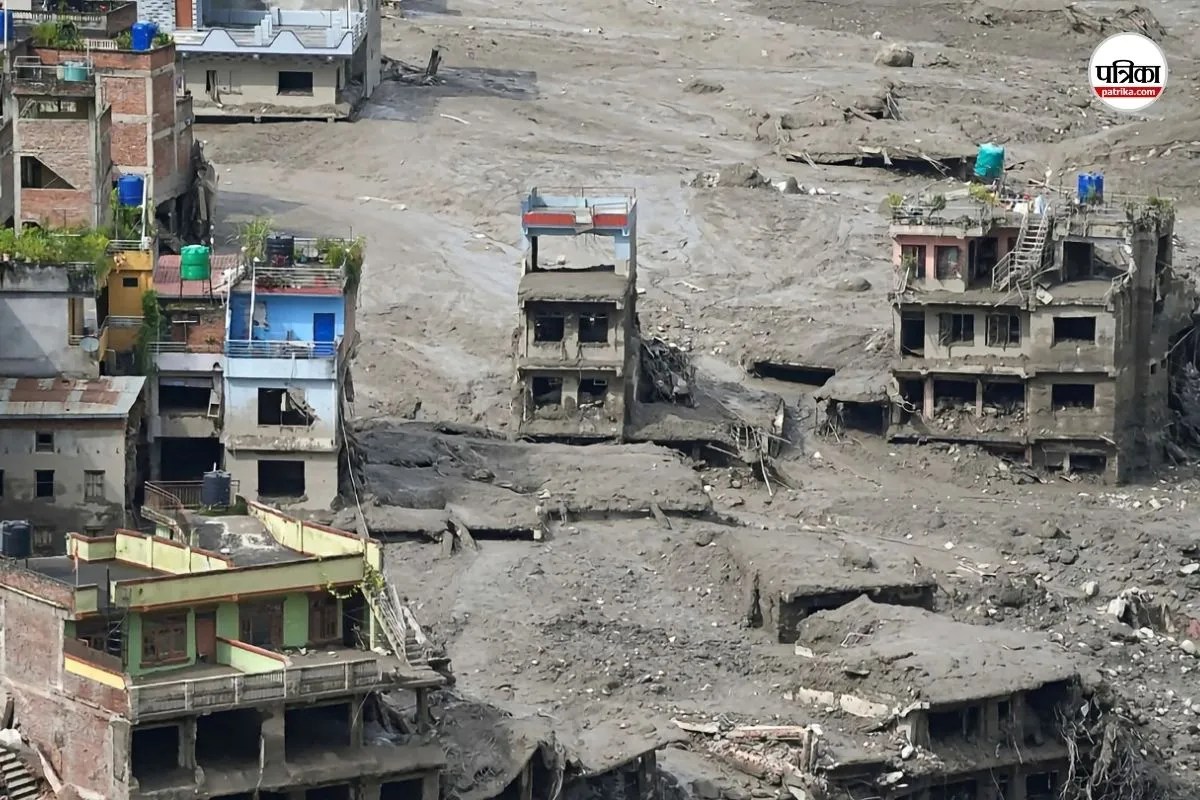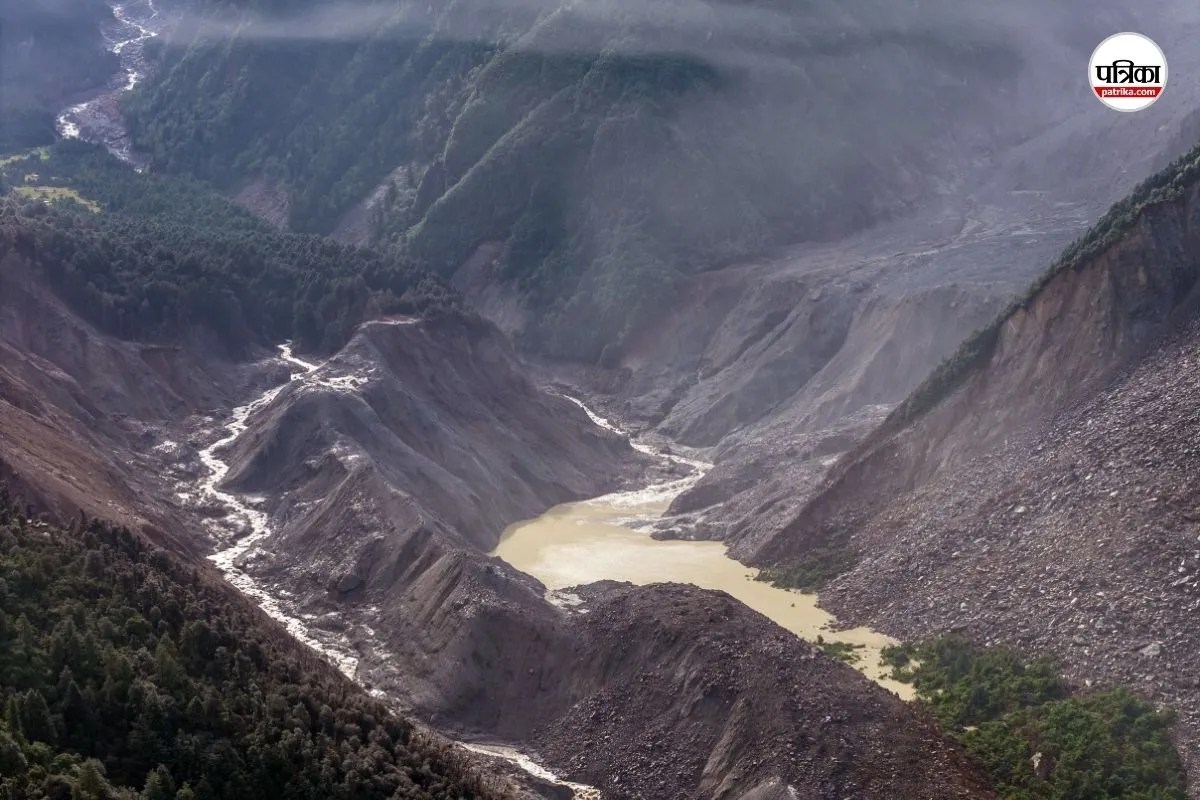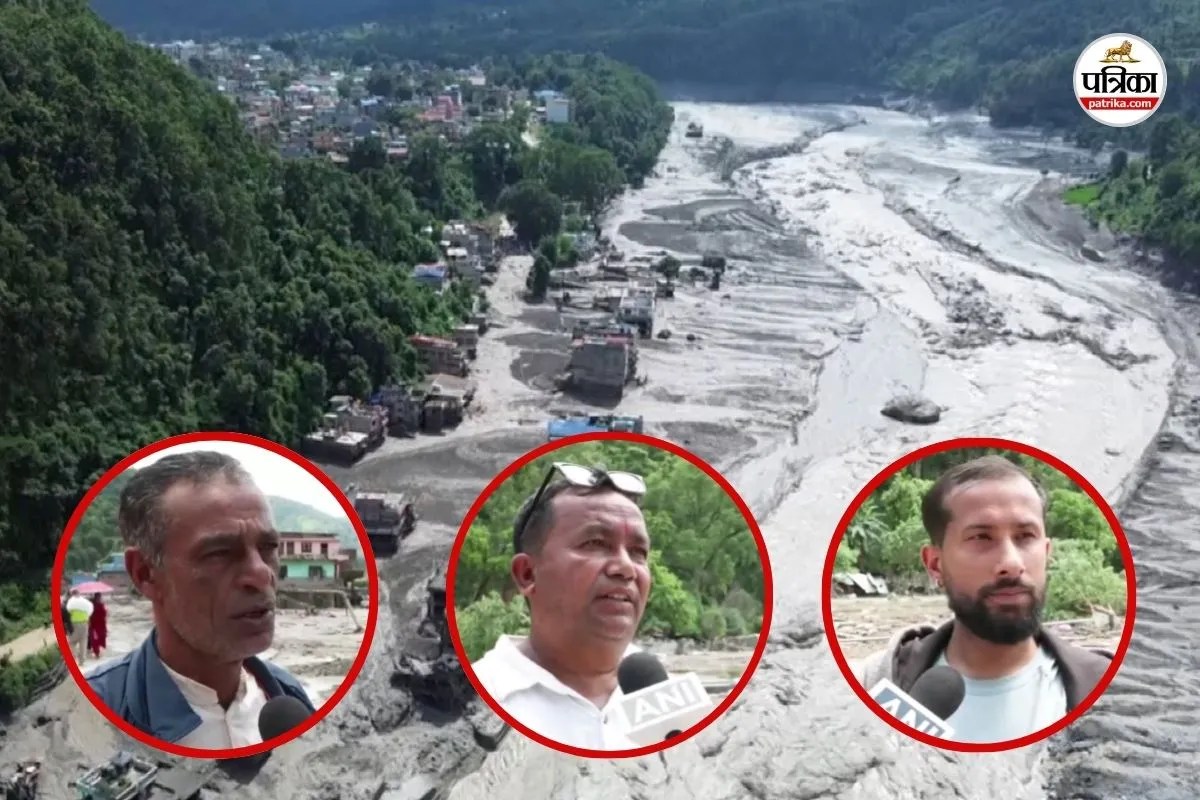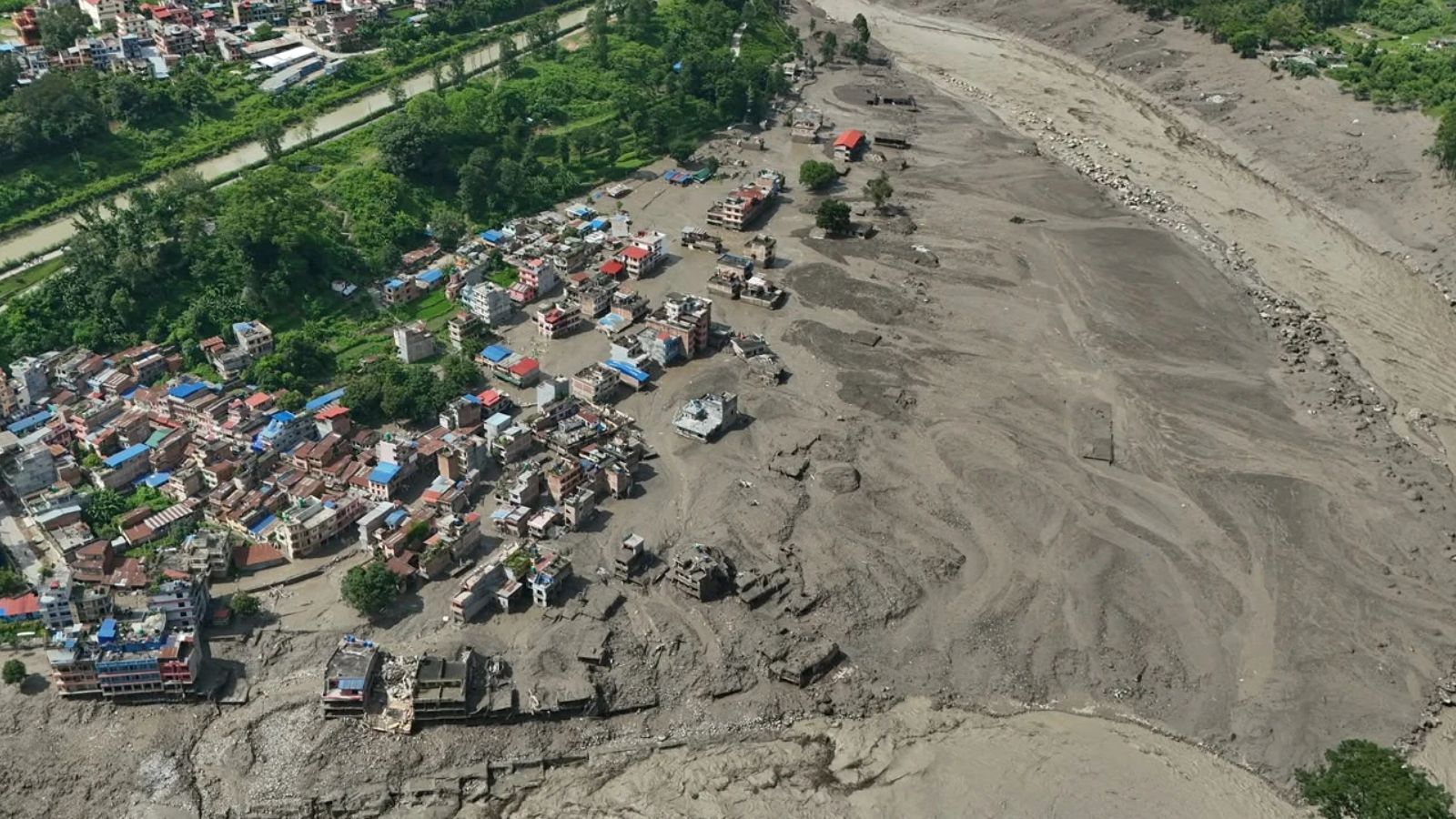
Catastrophic flash floods across the Nepal and Tibet border region have left hundreds dead and over a thousand individuals unaccounted for, triggering a complex multi-national search and rescue operation. Initial reports attributed the sudden wall of water to seismic activity, but subsequent geophysical analyses by agencies such as the US Geological Survey confirmed the event was driven by a massive glacial collapse and ice-rock avalanche. This downstream kinetic energy release obliterated transport links, communication infrastructure, and hydropower assets within minutes, trapping scores of local residents, laborers, and international tourists.
The Structural Anatomy of the Disaster Vector
The physical mechanism of the catastrophe explains both its velocity and the severity of its impact on human populations. Unlike sustained monsoonal river swelling, this disaster originated from a sudden high-altitude glacial collapse near the border, which sent an immense volume of debris, mud, and water channeled down the Bhotekoshi and Trishuli river basins.
The topography of the Rasuwa and Dhading districts features steep, constricted valleys that act as hydraulic funnels. When the glacial outburst hit these narrow corridors, flow velocities surged. Critical infrastructure nodes failed sequentially:
- Hydropower Assets: Run-of-the-river installations, including multiple operational and under-construction projects, were structurally compromised or entirely inundated within seconds, stripping the immediate zone of electrical and telecommunication grids.
- Transportation Arteries: At least nineteen motorable bridges and critical stretches of border-connecting highways were sheared away, creating immediate logistical isolation zones. Rescue teams could not reach cut-off settlements by standard road transport, forcing total reliance on aerial deployment.
- Communication Blackouts: The destruction of towers and local power grids severed real-time tracking data, turning the preliminary assessment of missing persons into a fragmented estimation challenge.
Quantifying Missing Nationalities and Demographic Distribution
With communication lines disabled across key tourist corridors, official tracking mechanisms rely on preliminary agency registries, consular check-ins, and family notifications. Estimates place the total number of missing individuals across Nepal above 1,300 to 1,500, with a distinct sub-segment consisting of tourists and pilgrims from over thirty countries.
India accounts for the largest aggregate cohort of missing foreign nationals. This concentration is structurally tied to traditional pilgrimage routes, specifically the Kailash Mansarovar Yatra passing through Tibet via Nepal's Rasuwa district. Hundreds of Indian pilgrims and travelers were navigating these valley routes during a seasonal window that historically overlaps with regional travel.
Other significant national contingents among the unaccounted-for foreign visitors include citizens from the United States, Malaysia, Ukraine, Australia, the United Kingdom, and Canada. The presence of technical and construction personnel—such as foreign workers stationed at regional hydropower projects—further inflates the density of missing non-residents in specific operational pockets like Rasuwa.
Data Verification Bottlenecks and Counting Variance
Discrepancies in early casualty and missing figures published by various international news agencies and local authorities stem from structural data-collection bottlenecks rather than administrative incompetence.
The primary driver of variance is the transition from localized tour-operator manifests to centralized governmental registers. When an independent trekking group loses contact, initial reports are logged via private travel agencies, local tourist police, and embassy desks independently. These channels frequently overlap or duplicate entries.
Furthermore, Nepal's tourism administration periodically merges domestic lists of missing locals with foreign national counts, creating reporting windows where aggregate totals fluctuate between 570 and over 1,300 missing persons depending on whether the scope includes broader district populations or strictly registered inbound travelers. Consular authorities must cross-reference embassy contact lists with actual physical location statuses, a process severely hampered by ongoing search access limitations in mud-choked ravines and cut-off valleys.
Geopolitical Coordination and Emergency Deployment
The cross-border nature of the river basins necessitates tight bilateral coordination between Kathmandu and Beijing, alongside regional support from neighboring states. Search and rescue deployments face formidable operational constraints:
- Heavy Machinery Access: Because key bridge infrastructure was destroyed, earth-moving equipment cannot easily be driven into upper valley zones, restricting heavy clearance operations.
- Secondary Hazard Monitoring: Experts from environmental risk institutes have warned of potential secondary floods caused by temporary natural dams formed by debris blockage upstream in narrow gorges. Rescue units must balance rapid extraction protocols against the risk of sudden upstream blowouts.
- Consular Mobilization: Embassies have established dedicated helplines and deployed consular response teams to Kathmandu to triage incoming requests from families abroad and coordinate emergency medical evacuation for survivors pulled from isolated pockets.
Prioritize the deployment of specialized high-altitude aerial drone surveillance and thermal imaging units along the lower Trishuli and Bhotekoshi river basins to map debris fields and isolate viable rescue pockets before subsequent monsoonal weather patterns trigger secondary slope failures.