The air in the valley does not smell like rain before it arrives. It smells like crushed stone and old ice.
Up where the green gives way to the grey ribs of the world, something ancient is unspooled. For generations, the high altitude frost held firm, locked in a cold contract with the winter sky. But the contract has been broken. Down in the villages flanking the rivers that spill out from the roof of the earth, people talk about the heat differently now. It is not just the sun burning down on their necks; it is the feeling that the mountains themselves are sweating. Also making waves in this space: Why Balen Shah Showing Up at a Flood Zone is a Dangerous Distraction.
Data is a cold thing until it washes away your kitchen. The numbers tell a story of acceleration that defies ordinary comprehension. Recent scientific assessments tracking the Hindu Kush Himalayan region reveal a staggering surge in glacial melt rates, shooting up by roughly sixty-five percent compared to previous decades. To a hydrologist sitting in an air-conditioned office in Kathmandu or New Delhi, that percentage is a red flag on a spreadsheet. To Ramesh, who keeps three water buffalo by the banks of a tributary that feeds the Ganges basin, it is a silent thief coming up the stairs in the middle of the night.
Ramesh does not read the reports warning of imminent twin-nation devastation across Nepal and India. He doesn't need to. He has watched the riverbanks eat his uncle's cornfield piece by piece over three monsoon seasons. He has felt the sudden, unnatural chill of meltwater rushing down when there has been no rain for weeks—a ghost flood sent from a collapsing tongue of ice miles above his head. Additional details regarding the matter are detailed by Al Jazeera.
Ice is a bank account we have been draining without checking the balance. When glaciers retreat, they leave behind makeshift basins cradled by unstable walls of dirt and boulders, known to science as moraine dams. These are ticking clocks. As the melt accelerates, these high-altitude lakes swell, straining against walls of rubble that have no business holding back millions of tons of water. When they burst, they do not trickle. They descend like an iron fist.
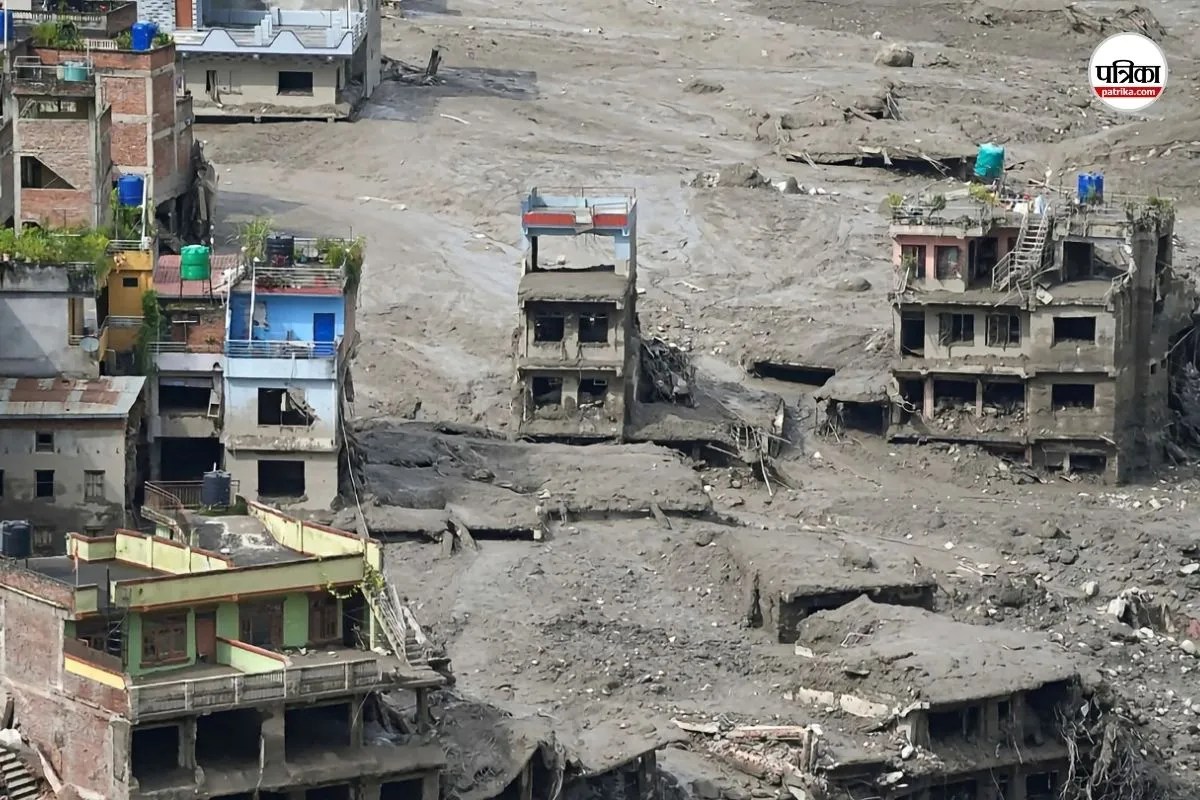
Consider what happens next. A pocket of water the size of fifty football fields ruptures in the high solitudes. It drops thousands of vertical feet in hours, turning soil, boulders, and snapped pine trees into a roaring slurry of debris flow. By the time this surge hits the populated plains shared by Nepal and the northern reaches of India, it is a brown leviathan swallowing bridges, livestock, and concrete foundations alike.
The warning signs are flashing red across the meteorological networks, yet the response remains agonizingly slow. Governments issue advisories on television screens that villagers without reliable electricity never see. They talk of early warning systems and evacuation protocols, terms that sound orderly and reassuring in parliamentary debates but mean very little when a wall of water is roaring down a narrow gorge at fifty miles per hour.
We have engineered our modern anxieties around the visible catastrophes—the sudden storms, the scorched earth of summer heatwaves. But the slow-motion crisis unfolding in the high peaks is insidious because it is born of absence. The ice is disappearing. And paradoxically, that disappearance brings too much water, too fast, to places that cannot hold it.
The geography of the subcontinent is bound by these shared rivers. When the ice weeps too quickly, the water does not pause at international borders to check passports. It floods the fertile plains of Bihar and Uttar Pradesh with the same indifferent fury with which it tears through the mountain hamlets of Dolakha or Sindhupalchok. Millions of lives are tethered to the health of frozen reservoirs that are currently weeping away into the sea.
There is a quiet terror in watching something permanent become ephemeral. For centuries, those white peaks were the constants against which villagers measured their lives, the eternal backdrop to births, harvests, and funerals. Now, they are shifting. They are fluid.
The warning has been issued by the data, written plainly in the accelerated retreat of the ice and the swollen bellies of downstream rivers. More floods are coming. The only question left is whether we will continue to wait for the water to reach our doorsteps before we decide to listen to the mountains.
The river does not hate. It only returns to the places it once carved, long before asphalt and concrete tried to tell it where to go.