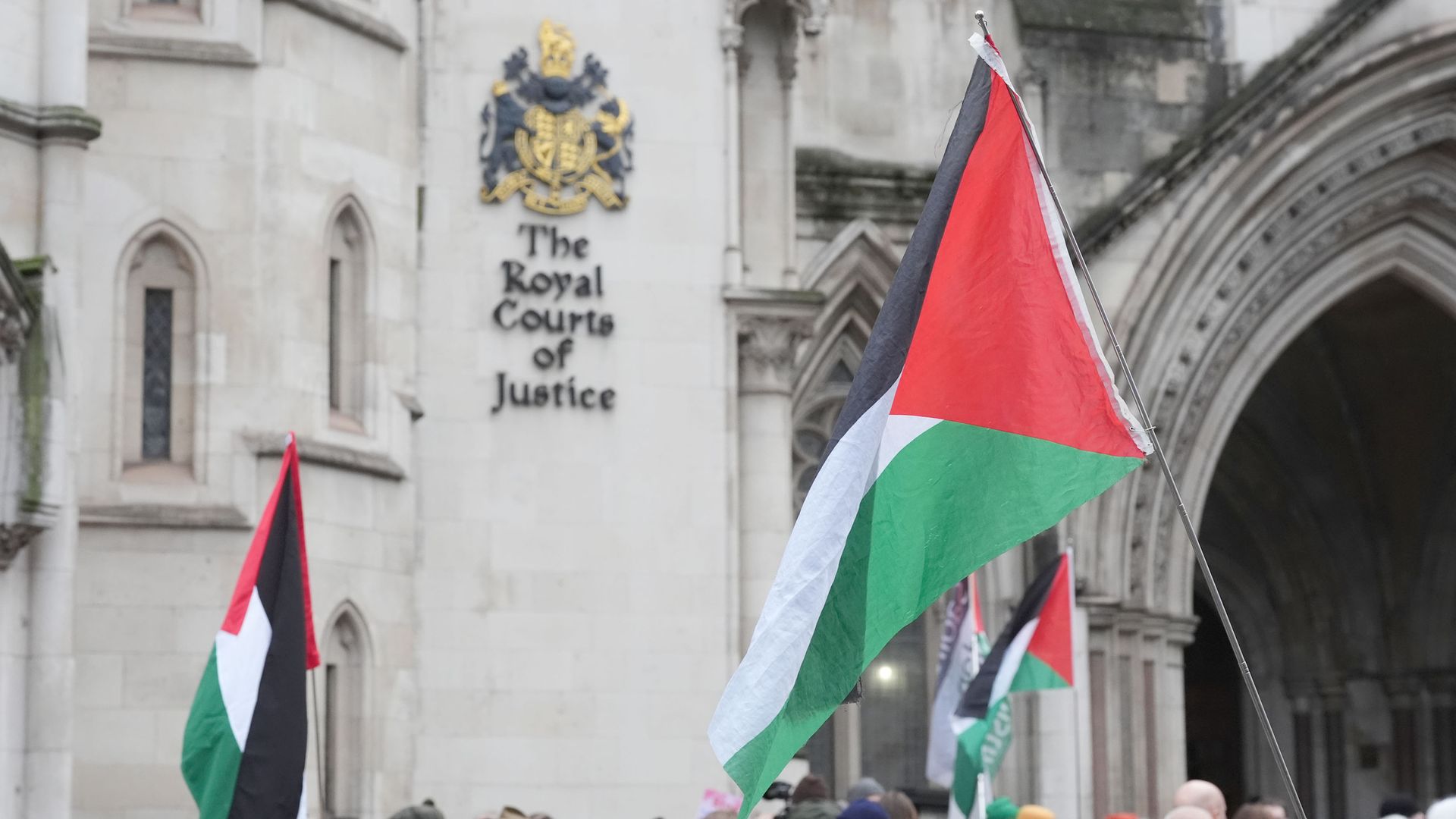
One sentence on X. That's all it took to spark a national security headache in London.
In mid-October 2026, author and journalist Sarah Helm posted, "God help us authors who support Palestine and Palestine Action". Because her husband, Jonathan Powell, serves as national security adviser to the prime minister, that single line turned a heated literary and political argument into a police assessment within hours. By the following weekend, London's Metropolitan Police confirmed no further action would be taken, concluding specialist officers found the post did not cross the criminal threshold. Recently making waves in this space: Why Edmonton Infill Policy Is Breaking Local Government Authority.
Anyone watching the uproar could tell the real friction wasn't about whether a five-second scan of a social media post would send someone to prison. It was about proximity to power, how broadly Britain's counter-terrorism laws stretch over speech, and what happens when a spouse's public words collide with the hardest job in Whitehall.
What Actually Happened With The Palestine Action Post
Let's strip away the noise and look at the timeline. Palestine Action was proscribed as a terrorist organization in the UK in July 2025, making membership or expressing support for the group an offense carrying a maximum sentence of 14 years in prison. Even after the Court of Appeal ruled in June 2026 that the ban was lawful, legal fights and public arguments over the proscription kept boiling over, with co-founder Huda Ammori pursuing a Supreme Court appeal. More information into this topic are covered by The Guardian.
Against that backdrop, publishing houses and writers were already on edge. In October 2026, discussion flared around Irish novelist Sally Rooney after publisher Faber stopped distributing her books in the UK following her pledge to direct royalties toward Palestine Action. Helm weighed in on X.
Critics—including the Campaign Against Antisemitism—urged police to investigate, arguing that remarks appearing to express support for a proscribed group should face the same scrutiny as anyone else's. Downings Street moved quickly to draw a line between Helm and the state, stating she does not represent the government in any capacity. Police assessed the post and closed the matter without further action, stating it did not meet the criminal threshold.
Honestly, that outcome shouldn't surprise anyone who reads the wording closely. Saying "God help us authors who support..." reads like a lament or a warning about the pressure on writers rather than a rallying cry recruiting for a banned group. Still, when a name sits next to a senior national security role, every word gets read through a magnifying glass.
Why Spousal Speech Turns Into A Whitehall Storm
Spouses aren't civil servants. They don't take the same oath, hold the same security clearance, or sit in national security briefings. Yet in politics, perception travels faster than job descriptions.
When someone married to a top security adviser posts about a proscribed organization, people ask uncomfortable questions right away. Does it create a conflict of interest? Does it signal mixed messages inside Downing Street? Even when a government spokesperson says plainly that an individual holds independent views and speaks for nobody else, critics rarely drop the point.
I've watched plenty of political rows play out like this over the years, and two mistakes happen almost every time:
- Treating an initial police assessment as proof of guilt. Police forces regularly review reported social media posts to check whether a legal threshold is met. An assessment isn't a charge, and closing it without action means the threshold wasn't reached.
- Treating an official disclaimer as the end of the story. A press line from Downing Street settles the formal chain of command, not the political argument outside it.
What makes this case particularly sharp is Powell's role itself. As national security adviser—a position he has held across shifting political eras, having also served Tony Blair and Keir Starmer before working under Andy Burnham—his job sits right at the intersection of state security, law enforcement, and public trust. When his wife's comment draws police scrutiny, the story stops being just a social media spat and becomes a test of boundaries.
Where Counter-Terrorism Law Meets Free Expression
Britain's counter-terrorism framework has long faced pushback from civil liberties groups, legal scholars, and lawmakers who worry that broad offenses around "expressing support" can sweep up ambiguous or clumsy online speech. Once a group is proscribed, the stakes of mentioning it casually skyrocket.
At the same time, supporters of strict enforcement argue that clear red lines are essential once Parliament or the courts uphold a proscription. If the law sets a 14-year maximum penalty for supporting a banned organization, they contend, police shouldn't wave away borderline posts just because the writer is well-connected or articulate.
Both sides are wrestling with a genuine tension. Laws written to curb real-world harm and terror recruitment operate in a digital environment where people type fast, use irony or distress-ridden phrasing, and hit send before thinking through how a sentence looks out of context. A single ambiguous word can trigger complaints, headlines, and specialist police reviews.
And there's a practical lesson here for writers, commentators, and public figures too. Context on social media is fragile. A post that makes total sense inside a thread about book distribution and artistic risk can look very different in a screenshot shared thousands of miles away from the original conversation.
Practical Steps When Navigating High-Stakes Speech And Scrutiny
Whether you're a writer posting on social media, a communications lead advising someone in public life, or a reader trying to make sense of fast-moving news, a few habits keep you grounded:
- Read the exact wording before reacting to the headline. Headlines about "police assessing a post" often sound much heavier than a preliminary review that ends with no action taken. Look at the full sentence and the thread around it.
- Separate legal thresholds from political fallout. Something can be completely lawful—and even found not to meet any criminal threshold—while still causing serious political friction for people connected to the poster.
- Check ambiguity before hitting publish on sensitive topics. When a subject involves proscribed groups, ongoing court battles, or national security roles, shorthand or emotionally charged phrasing creates avoidable risk. Say plainly what you mean rather than leaving room for a hostile reading.
- Track official updates rather than early rumors. Initial reports often capture only the opening stage of a review. Wait for formal statements from police or official spokespeople to see where the process actually lands.
Clear thinking beats knee-jerk outrage every single time, especially when the loudest voices in the room are arguing past each other.