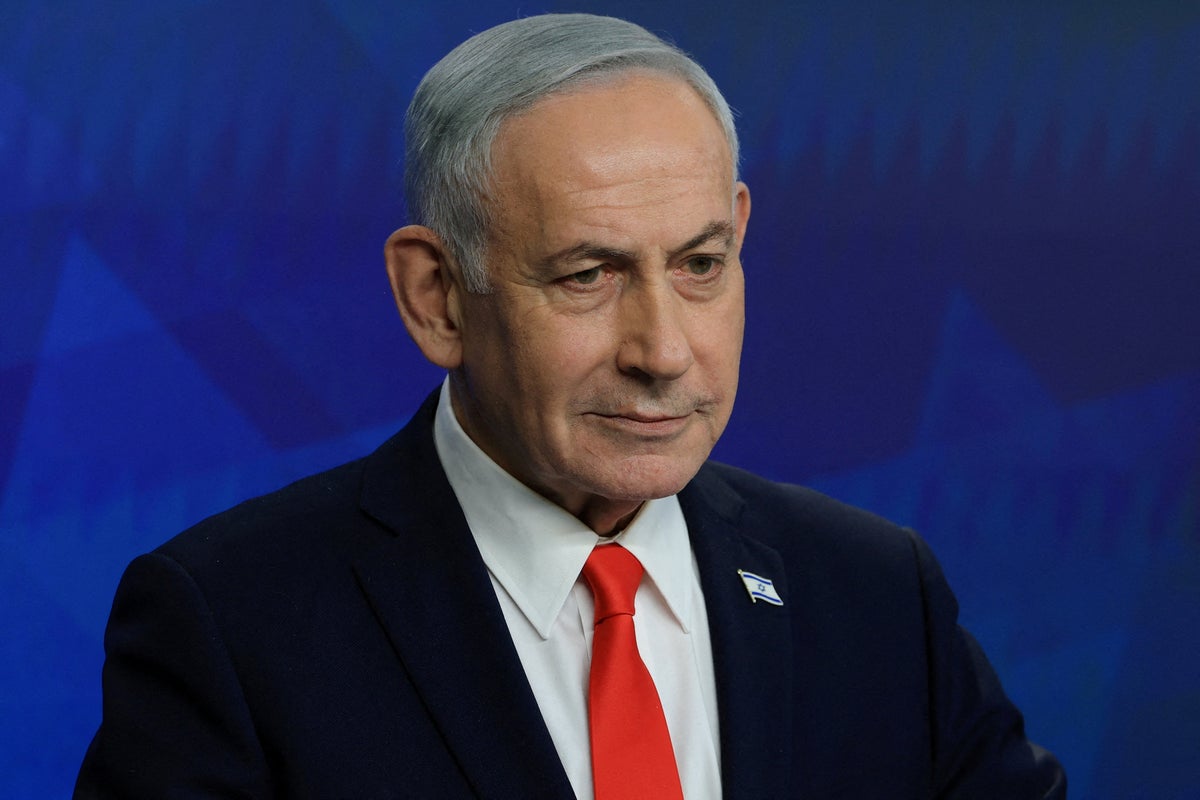
When a prime minister steps onto an international stage and claims a hostile foreign power tried to assassinate his family member, the media apparatus grinds into immediate, predictable motion. Headlines flash across screens. Pundits adjust their ties and nod gravely about escalating proxy wars, intelligence reports, and the tightening noose of state-sponsored terror. The lazy consensus writes itself: a beleaguered leader under domestic pressure is drawing a straight line from Tehran's drone factories to his own doorstep, proving the existential threat is personal.
Stop buying the script. Learn more on a related issue: this related article.
I have watched geopolitical theater from the inside for decades. I have seen how intelligence leaks are manufactured, how domestic survival dictates foreign policy posture, and how easily a desperate administration weaponizes a security briefing for political insulation. The story isn't whether a hostile regime harbors malice toward the Israeli ruling elite. Of course they do. That is baseline reality in a decades-long shadow war. The real story—the one getting buried beneath the hysteria—is how personalizing state conflict alters the mechanics of power, shifting accountability away from systemic failure and locking a nation into an eternal state of grievance.
The Anatomy of a Convenient Threat Narrative
Let us look at the mechanics of how these claims operate in the political ecosystem. When an official narrative frames an existential state conflict around an individual family, it performs a neat, calculated magic trick. It collapses the massive, complex machinery of national defense into a relatable, human-interest soap opera. Further reporting by Associated Press explores related perspectives on this issue.
Suddenly, questioning judicial reforms, military strategy, or economic mismanagement becomes unpatriotic because the leader and his bloodline are under direct assault by an external enemy.
Imagine a scenario where a CEO facing massive internal revolt suddenly announces that a rival corporation tried to poison his coffee. Does it mean the rival corporation plays fair? Absolutely not. But does it conveniently change every boardroom conversation from embezzlement and failed product lines to rallying around the flag? You bet it does.
We need to separate operational reality from political utility. Iran runs an extensive network of regional proxies, cyber operations, and targeted assassination plots. That is not up for debate. But elevating a specific, unverified plot against an adult family member into a headline-grabbing talking point serves a very precise domestic function. It silences dissent by conflating national security with family protection.
The Dangerous Trap of Personalizing Geopolitics
The mainstream press loves this framing because it sells clicks. Conflict is boring when it is reduced to cold logistics, cyber espionage, and trade embargoes. Conflict becomes profitable when it features a villain in Tehran staring at a dartboard with a specific family name on it.
This personalization does severe damage to strategic clarity. When foreign policy becomes a family drama, response options narrow. If an attack is framed as an assault on the leader's household rather than an act of war against the state infrastructure, the retaliatory calculus shifts from military necessity to political ego.
I have seen political actors blow millions of dollars and countless diplomatic capitals chasing symbolic victories designed solely to vindicate a wounded ego, while ignoring systemic vulnerabilities right in front of them. When you make statecraft personal, you stop acting like a strategist and start acting like a victim. Victims do not win protracted regional conflicts; they react to provocations orchestrated by smarter adversaries.
The Questions Nobody is Asking
If we strip away the emotional varnish of the initial claim, the journalistic burden shifts entirely. Instead of breathlessly repeating unverified threat assessments, the press should be interrogating the timing and the mechanism of the leak.
Why now? What domestic legislative fight or coalition pressure points were dominating the news cycle the exact day this story broke? How does the elevation of this specific threat alter the public perception of ongoing intelligence failures?
The answers point directly away from Tehran and straight back to Jerusalem. In modern political warfare, your greatest shield is often a well-timed foreign threat. It stops internal inquiries dead in their tracks. It transforms a politician fighting for his political life into a defiant patriarch standing alone against the dark forces of the Middle East.
We are watching a masterclass in distraction. Every hour spent debating whether a foreign intelligence agency targeted a prime minister's relative is an hour not spent auditing the actual defense apparatus, examining intelligence blind spots, or holding leaders accountable for the strategic paralysis gripping the country.
Breaking the Cycle
If you want to understand how modern states manipulate public anxiety, stop looking at the monster they are pointing at and start looking at the hand holding the flashlight.
Iran does not need to send hit squads to disrupt its enemies when those enemies are entirely capable of using the threat of a hit squad to manage their own domestic populations. The ultimate irony of modern statecraft is that external threats are rarely as dangerous to a leader's survival as the domestic opposition they are designed to crush.
Stop reacting to the theater. Demand the underlying data. Question the timing of every sensational leak. And the next time a politician tries to make a national crisis about his own bloodline, remember that the only thing more dangerous than an external enemy is an internal leader who needs you to forget who is actually running the country into the ground.
Don't look at the dartboard. Look at who is holding the darts.