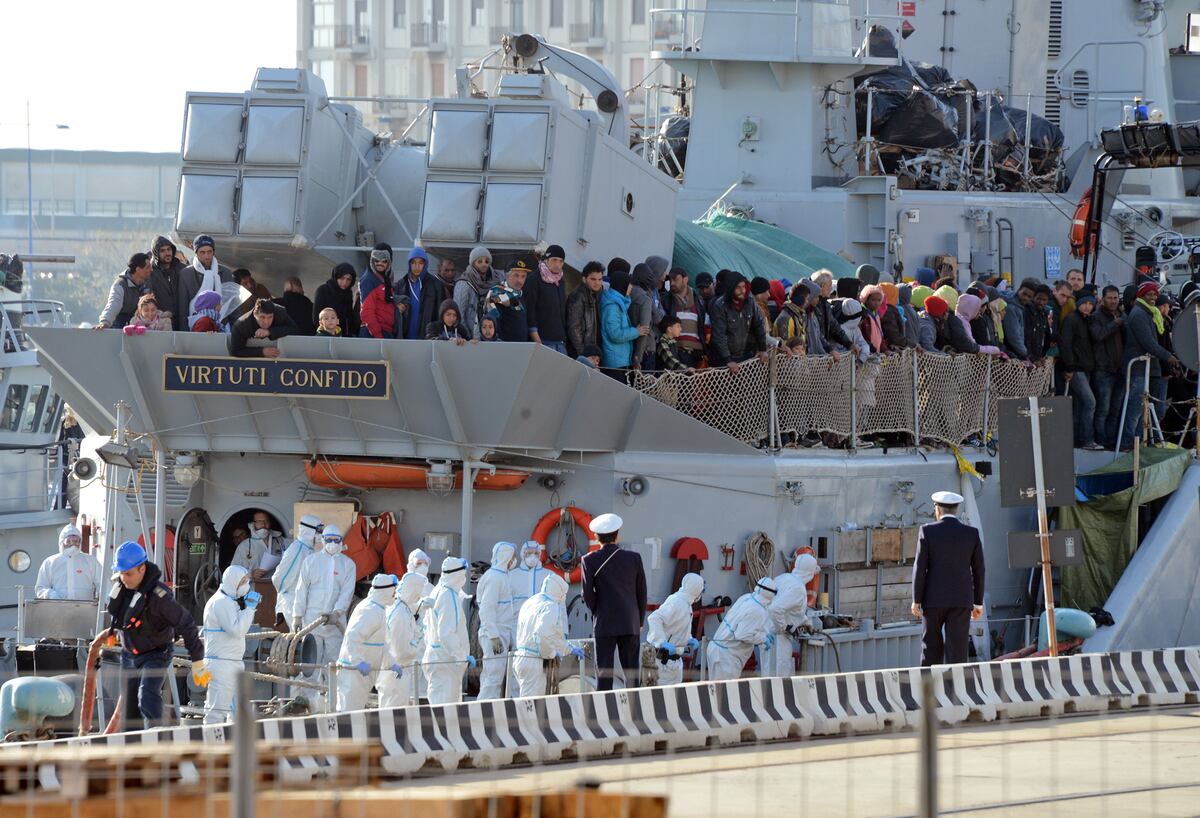
The carefully curated silence from the National Palace in Mexico City has finally broken. After more than a year of walking a razor-sharp diplomatic tightrope, President Claudia Sheinbaum has shifted from measured cooperation to open defiance. The catalyst is a grim tally of fifteen Mexican nationals dead in U.S. immigration custody—a figure that has turned a technical dispute over border management into a visceral battle for national sovereignty.
This isn't just a spat over paperwork or processing times. It is the collapse of a delicate "gentleman's agreement" that held the U.S.-Mexico border in a state of suspended animation throughout 2025. By late March 2026, the human cost of the Trump administration’s intensified deportation and detention tactics became impossible for Sheinbaum to ignore without risking a total mutiny from her own progressive Morena party base. You might also find this connected article interesting: Why the British Monarchy is Keir Starmer's Only Hope With Trump.
The Invisible Toll of the Detention Surge
The headlines focus on the numbers, but the mechanics of these deaths reveal a systemic breakdown. Among the casualties was a 19-year-old in a Florida facility, officially labeled a suicide, and a Haitian man who died from an untreated toothache that evolved into a lethal infection. For Sheinbaum, these are not isolated incidents of negligence; they are the direct byproduct of a detention system pushed far beyond its designed capacity.
Sheinbaum has now ordered Mexican consulates to conduct daily inspections of U.S. detention centers. This is a massive logistical undertaking and an unprecedented assertion of extraterritorial oversight. By preparing to escalate these cases to the Inter-American Commission on Human Rights and the United Nations, Mexico is effectively signaling that it no longer trusts the American judicial system to police its own agencies. As extensively documented in detailed coverage by Reuters, the effects are widespread.
This shift in tone is a calculated gamble. For months, Sheinbaum played the role of the "cool-headed" executive, meeting demands to crack down on cartels and facilitating the release of high-level operatives into U.S. custody. She did this to shield the Mexican economy from the constant threat of 25% across-the-board tariffs. But the "cool head" has reached its limit. The leverage has shifted; Sheinbaum knows that as domestic disapproval of aggressive immigration raids grows within the U.S., her voice gains more resonance on the global stage.
The Cuban Energy Blockade and the Battle for Sovereignty
While the migrant deaths provide the moral high ground, the true geopolitical friction lies in the Caribbean. The Trump administration’s decision to impose an energy blockade on Cuba has placed Mexico in an impossible position. Historically, Mexico has viewed its relationship with Havana as a cornerstone of its independent foreign policy—a "sovereignty check" against Washington’s influence in the region.
In January 2026, the White House issued an ultimatum: any country shipping oil to Cuba would face immediate tariffs. Mexico, the island's largest supplier after the fall of the Maduro government in Venezuela, was the primary target.
Mexico’s Strategic Pivot on Cuba
- The Oil Pause: Mexico temporarily halted Pemex shipments in late January to avoid immediate economic retaliation.
- The Humanitarian Loophole: Sheinbaum pivoted to "humanitarian aid," sending ships loaded with food, medicine, and fuel under the guise of disaster relief.
- The Personal Gesture: In a rare departure from her technocratic persona, Sheinbaum publicly donated $1,000 of her own salary to Cuban relief, a symbolic middle finger to the blockade.
The conflict has deepened with the issue of Cuban doctors. While nations like Honduras and Guatemala have bowed to U.S. pressure to expel Cuban medical brigades—which the U.S. State Department classifies as "forced labor"—Sheinbaum has doubled down. She reaffirmed that Cuban doctors will remain in Mexico, arguing that their presence is a bilateral necessity for Mexico’s rural healthcare system. This isn't just about medicine; it’s about refusing to let Washington dictate who Mexico hires.
The High Stakes of the USMCA Renegotiation
The timing of this friction is perilous. The three-year review of the USMCA (United States-Mexico-Canada Agreement) is looming. For Mexico, the agreement is the lifeblood of its manufacturing sector. For the Trump administration, it is a tool of leverage.
The White House has already used the "migrant card" and the "Fentanyl card" to extract concessions. Now, the "Cuba card" is being played. U.S. Secretary of State Marco Rubio has been vocal about "visa restrictions" for officials involved in the Cuban doctor program. The threat is clear: align with U.S. foreign policy or face exclusion from the North American trade bloc.
Sheinbaum’s administration is betting that the U.S. needs Mexico just as much as Mexico needs the U.S. Supply chains are deeply integrated; a trade war would spike inflation in American supermarkets just as much as it would shutter factories in Monterrey. By raising her voice now, Sheinbaum is attempting to set the terms of the renegotiation before they are dictated to her.
A New Era of Non-Intervention
The "Sheinbaum Doctrine" is beginning to emerge. It is a fusion of the old-school non-interventionism of the 1970s and a modern, data-driven approach to international law. She is not using the fiery, populist rhetoric of her predecessor, Andrés Manuel López Obrador. Instead, she is using the language of a lawyer and an engineer.
She is documenting the deaths. She is filing the lawsuits. She is citing international treaties.
This approach makes her harder to dismiss as a mere political adversary. When she says, "There are many Mexicans whose only crime is not having papers," she is appealing to a sense of universal human rights that complicates the White House's "national security" narrative.
The strategy is to make the political cost of the U.S. administration's policies so high—both internationally and domestically—that the White House is forced to negotiate on more equal footing. It is a high-wire act with no safety net. If the U.S. follows through on military strikes against cartels or triggers a total trade embargo, Mexico’s economy could crater. But for Sheinbaum, the alternative—a slow erosion of national dignity and the continued death of her citizens in foreign cells—is no longer an option.
The bridge between the two nations is not yet burned, but the smoke is clearly visible from both sides of the Rio Grande.