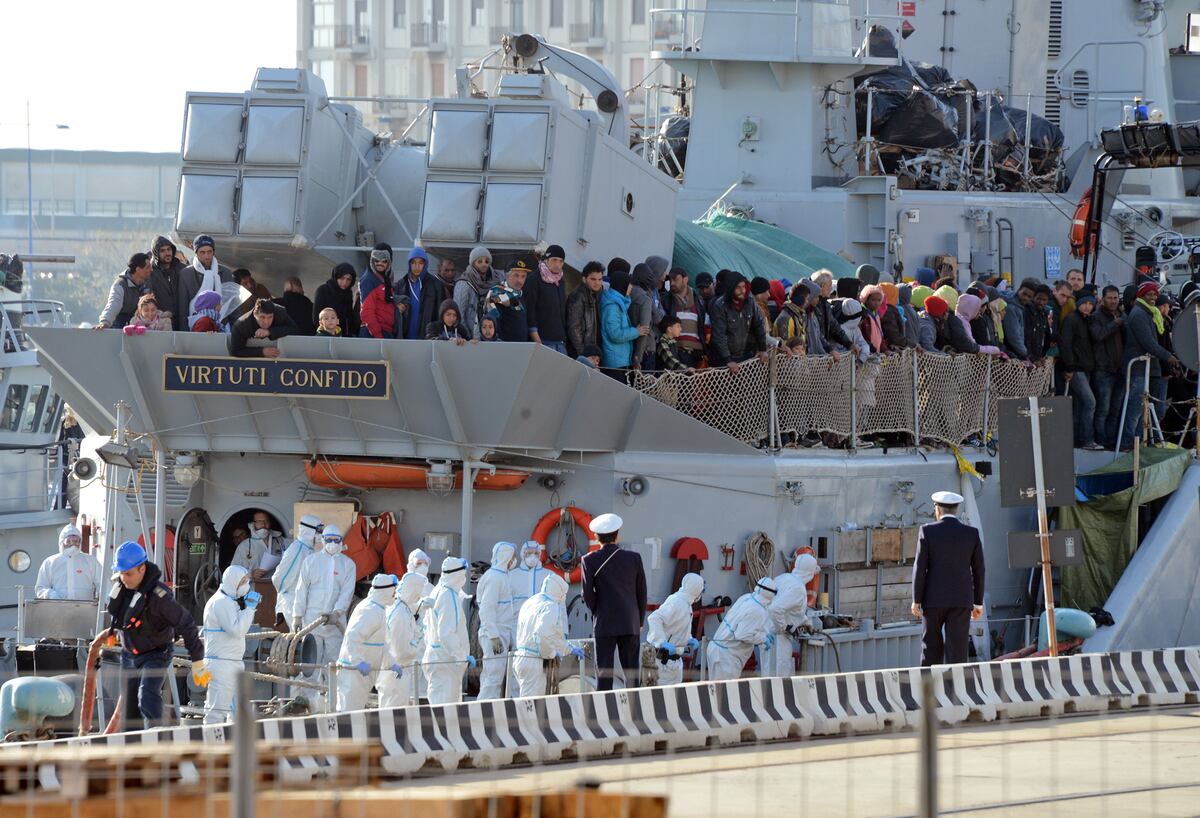
The recent interdiction of six merchant vessels exiting the Strait of Hormuz by U.S. naval forces marks a transition from passive maritime surveillance to an active blockade mechanism. This shift does not merely represent a tactical change in regional presence; it establishes a new operational precedent for global energy supply chain security. By restricting the outflow of tankers, the U.S. Navy has effectively imposed a kinetic filter on the world’s most critical chokepoint, through which approximately 21% of total global petroleum liquids consumption passes.
To understand the mechanics of this blockade, one must move past the headlines and analyze the three distinct pillars of maritime interdiction: legal jurisdiction, kinetic capability, and the economic ripple effect of transit denial.
The Triad of Maritime Interdiction
A naval blockade functions as a strategic lever that operates across three specific domains. When the U.S. turns back six ships, it is exercising a calculated display of these variables.
The Legal Framework of Sanction Enforcement: The primary justification for turning back merchant vessels often rests on the enforcement of unilateral or multilateral sanctions. Under international maritime law, specifically the San Remo Manual on International Law Applicable to Armed Conflicts at Sea, a blockade must be declared, effective, and applied impartially. By turning ships back rather than seizing them, the U.S. avoids the legal complexities of prize law while still achieving the strategic denial of revenue for the target state.
Kinetic Presence and Escalation Dominance: The physical presence of a Carrier Strike Group (CSG) or an Amphibious Ready Group (ARG) creates a zone of "Escalation Dominance." This means the blockading force possesses the superior ability to increase the intensity of a conflict at any given moment, forcing the merchant vessel's flag state or owner to calculate the cost of defiance. The decision to turn back a ship is a low-kinetic move that signals the high-kinetic capability behind it.
Informational Superiority: Modern interdiction relies on the Integrated Undersea Surveillance System (IUSS) and satellite-based AIS (Automatic Identification System) tracking. The U.S. does not need to patrol every square mile; it only needs to monitor the narrowest segments of the Traffic Separation Schemes (TSS).
The Cost Function of Transit Denial
The economic fallout of turning back a ship extends far beyond the immediate delay of its cargo. The maritime industry operates on a razor-thin logic of predictability. When that predictability vanishes, several cost variables spike simultaneously.
Freight Rate Volatility and Risk Premiums
Shipowners operate under Time Charter Equivalent (TCE) rates. When a ship is turned back, the charterer loses not just the cargo's time-value, but also incurs "demurrage"—liquidated damages for delays in loading or discharging. If the Strait of Hormuz becomes a zone of frequent interdiction, the "War Risk" insurance premium for a VLCC (Very Large Crude Carrier) can jump from 0.01% of the hull value to over 1% in a single week. For a ship valued at $100 million, that represents a $1 million cost for a single seven-day voyage.
Displacement of Global Supply
The six ships turned back represent a disruption in the physical delivery of millions of barrels of oil. If these ships are diverted, they must seek alternative routes—which are non-existent for the Persian Gulf—or wait for a diplomatic resolution. This creates a "shadow inventory" of oil that is produced but cannot be sold. The resulting supply-side constraint forces refineries in East Asia and Europe to seek more expensive spot-market alternatives from the Atlantic Basin or West Africa.
Strategic Bottlenecks: The Geography of Constraint
The Strait of Hormuz is roughly 21 miles wide at its narrowest point, but the actual shipping lanes consist of two two-mile-wide channels (one inbound, one outbound) separated by a two-mile wide buffer zone. This geographic reality simplifies the task of a blockading force.
The Mechanical Process of Turning Back a Vessel:
- Initial Contact: Radio hailing via Bridge-to-Bridge Channel 16, identifying the vessel and stating the intent of the naval asset.
- Show of Force: The deployment of surface combatants or rotary-wing aircraft to shadow the vessel.
- Compelled Maneuver: The naval vessel positions itself to physically obstruct the merchant ship’s path or threatens boarding.
- The Pivot: The merchant master, facing the loss of insurance coverage if they ignore a naval directive, initiates a course change.
This process highlights a critical vulnerability in global trade: the master of a merchant vessel is legally and professionally incentivized to prioritize the safety of the crew and the hull over the delivery of the cargo. Therefore, the blockading force does not need to fire a shot; they only need to create a credible threat to the ship's insurance validity.
The Logic of Selective Enforcement
Turning back six ships—rather than sixty—suggests a policy of "Selective Enforcement." This is a calibrated psychological tactic. By allowing some traffic while denying others, the U.S. creates an environment of extreme uncertainty.
The primary goal of selective interdiction is to drive a wedge between the target state (the oil exporter) and its customers. When a buyer cannot guarantee that their tanker will successfully navigate the Strait, they begin to look for more stable suppliers, even at a premium price. The blockade, therefore, functions as a market-shaping tool designed to erode the market share of the targeted entity over time.
Limits and Constraints of the Blockade Strategy
No blockade is absolute. The effectiveness of the U.S. strategy in the Strait of Hormuz faces three significant limitations:
- The Sovereignty Friction: Constant interdiction in international waters risks alienating neutral trading partners. If the U.S. turns back ships belonging to a major power like China or India, the tactical victory of the blockade could lead to a strategic loss in diplomatic capital.
- Asymmetric Retaliation: The Strait of Hormuz is within range of shore-based anti-ship cruise missiles (ASCMs) and fast attack craft (FACs). A sustained blockade increases the likelihood of an asymmetric response that could close the Strait to all traffic, including that of U.S. allies.
- The "Dark Fleet" Factor: A growing number of tankers operate with disabled AIS transponders, use fraudulent flag registrations, and conduct ship-to-ship (STS) transfers in the open ocean. These vessels are harder to track and interdict without a massive increase in naval assets.
The Displacement of Maritime Risk
When six ships are turned back, the risk does not disappear; it is displaced. We are seeing the emergence of a "two-tier" maritime economy. Tier one consists of vessels that follow international norms and U.S.-led sanctions, benefiting from the security of the global naval order but restricted in where they can trade. Tier two consists of the "shadow fleet" that takes the high-risk, high-reward routes.
The current U.S. action is a signal to the Tier two fleet: the cost of doing business is about to rise. By physically turning ships back, the U.S. is signaling that the era of passive monitoring is over.
The logical progression for energy markets is an immediate pricing-in of a "Strait Premium." This premium is no longer based on the possibility of a conflict, but on the reality of active naval management of commercial flows. Energy analysts must now factor in the "Interdiction Probability" for every barrel of oil sourced from the Persian Gulf.
For stakeholders in global shipping and energy, the strategic play is no longer just about hedging against price spikes; it is about auditing the technical and legal resilience of their entire supply chain. Companies must diversify their sourcing to include Atlantic-based crudes and invest in "clear-flag" vessels that can withstand the scrutiny of a naval interdiction regime. The blockade in the Strait of Hormuz is not a temporary hurdle; it is the first phase of a new, contested maritime order.