Dust gathers in strange places. Sometimes, it settles over centuries of musical history hidden right in plain sight.
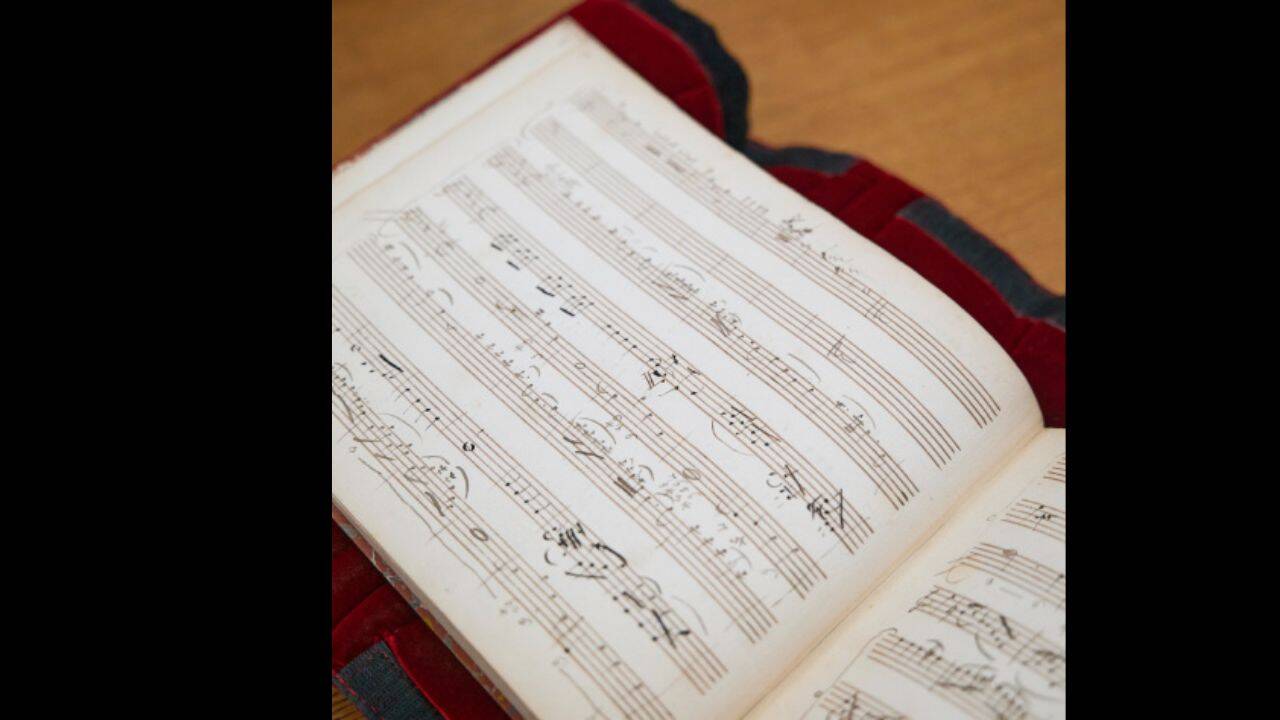
For nearly 250 years, an ordinary-looking notebook sat quietly in a municipal library in Leipzig, Germany, hiding a massive secret. Everyone missed it. Musicologists, historians, and archivists walked right past the truth. Then, researchers cataloging the latest edition of the Köchel catalog—the definitive bible of Wolfgang Amadeus Mozart's works—opened the pages and found something staggering. Unknown, unrecorded chamber music written by the prodigy himself.
You might think every single note Mozart ever scribbled down was already accounted for. You'd be wrong.
The Mystery of the Leipzig Notebook
Let's look at the physical evidence. The manuscript isn't written in Mozart's own hand. Instead, it's a copy made around 1780. A young Mozart, likely in his teens, penned these pieces during his formative years traveling through Italy.
Think about what was happening then. Mozart wasn't yet the legendary figure filling Vienna concert halls. He was a traveling kid genius, absorbing styles from Italian masters, testing his limits, and writing miniature string trios just to see what worked.
The notebook contains seven miniature movements for a string trio. Each piece lasts only about twelve minutes total. Short? Yes. Insignificant? Absolutely not.
Why This Discovery Breaks the Mold
Most new "discoveries" turn out to be minor fragments or heavily disputed sketches. This find is different. The Leipzig Municipal Libraries officially authenticated the manuscript using the most rigorous forensic standards available.
Here is what makes this find genuinely thrilling:
- The timeframe: It dates back to a period where gaps in Mozart's catalog are frustratingly wide.
- The instrumentation: String trios from his teenage years are exceptionally rare.
- The style: You can hear him borrowing Italian stylistic flourishes and instantly twisting them into his own unique voice.
When researchers first played the pieces at the Leipzig Opera House in late 2024, the reaction was electric. It sounded unmistakably like him. Those signature sharp turns in harmony and sudden emotional shifts were present even in these brief student exercises.
What Most People Get Wrong About Lost Classical Works
People assume that finding a "lost" masterpiece means unearthing a grand symphony or a sprawling opera. Movies love this trope. A dusty chest opens, a majestic lost Requiem appears, and orchestras weep.
Reality is much quieter.
Most historical discoveries involve small, unpretentious works. Study materials, wedding ditties, minor chamber pieces written for local patrons. These everyday compositions actually tell us more about a composer's daily life than their polished masterworks do. They show the raw workshop floor. You see the composer practicing, failing, trying again, and slowly figuring out their craft.
Mozart wasn't born dropping fully formed symphonies onto parchment. He worked hard. He wrote bad counterpoint sometimes. He copied older masters to learn their tricks. This newly found notebook proves it.
How to Experience the Discovery Yourself
You don't need a music degree to appreciate what happened here. The entire catalog entry is now public, and libraries have made digital scans accessible online.
If you want to dive deeper into this historical moment, take these steps:
- Look up the newly updated Köchel catalog entries for these specific string trios.
- Listen to recordings of the premiere performance released by the Mozarteum Foundation.
- Compare these early student pieces with his later string quartets to hear how his maturity exploded over just a few years.
History isn't static. It waits in dark library basements, hiding behind bad cataloging and missing labels, just waiting for someone curious enough to turn the page.