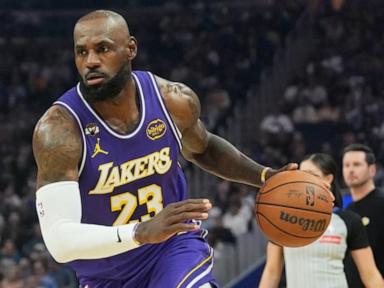
Fifteen years ago, a single television broadcast completely rewired the DNA of professional basketball. When LeBron James sat down under studio lights on July 8, 2010, and uttered the immortal phrase about taking his talents to South Beach, he didn't just pick a new basketball team. He sparked a seismic shift in how professional athletes view power, control, and career mobility.
Most casual fans remember the outrage, the burning jerseys in Cleveland, and the infamous hour-long television special. Honestly, those surface-level reactions miss the point entirely. The real story isn't about hurt feelings or corporate television cringe. It's about a twenty-five-year-old superstar looking at a broken front office and deciding he refused to waste his prime years carrying a mediocre roster. Meanwhile, you can find related stories here: Why Five Tour de France Titles Make Tadej Pogacar Less Impressive Than You Think.
The Anatomy of a Broken Front Office
Look at what LeBron was dealing with during his first stint with the Cleveland Cavaliers. He dragged a collection of well-meaning role players and aging veterans to the 2007 NBA Finals, basically putting an entire franchise on his back. Front office management failed year after year to put legitimate star power next to him. They surrounded a generational talent with mid-tier pieces and hoped his brilliance would cover up every organizational flaw.
You cannot blame a player for wanting out of a bad situation. Michael Jordan had Scottie Pippen. Kobe Bryant had Shaquille O'Neal, then Pau Gasol. LeBron had Mo Williams and Anderson Varejão. When his contract expired in the summer of 2010, he took meetings with several franchises, including the New York Knicks, Chicago Bulls, and New Jersey Nets, before ultimately choosing the Miami Heat to team up with Dwyane Wade and Chris Bosh. To explore the bigger picture, check out the detailed article by Yahoo Sports.
The media lambasted him for ring-chasing. Traditionalists screamed that he should have stayed loyal to his home state and suffered in silence like legends of the past. But times had changed.
How Player Empowerment Was Born
Before that fateful summer, team executives held nearly all the leverage. Stars signed long-term deals and quietly prayed their ownership groups knew how to build a winning roster. If a franchise fumbled the draft or mismanaged the salary cap, the player paid the price with their legacy.
LeBron flipped that power dynamic on its head. By joining forces with Wade and Bosh in Miami, he proved that elite players could dictate their own terms. Sure, the "Not one, not two, not three" championship celebration rally in Miami drew plenty of eye-rolls, but the strategic blueprint worked. They reached four straight NBA Finals and secured two championships.
Look around modern sports today. You see this exact playbook everywhere. Stars demand trades with years left on their contracts, team up in preferred destination markets, and force front offices to mortgage their entire future for immediate title contention. Whether you love it or hate it, that modern reality traces its roots directly back to the summer of 2010.
The Ultimate Vindication
Time heals most wounds, especially when you deliver on your promises. In 2014, LeBron did the unthinkable by returning to Cleveland. He looked the angry fans in the eye, asked for forgiveness, and immediately set to work fixing what was broken. Two years later, he delivered the Cavaliers their first-ever championship in a historic 3-1 comeback against the Golden State Warriors, completing one of the greatest redemption arcs in sports history.
Hindsight changes everything. The vitriol directed at him fifteen years ago looks silly now, given how player movement defines the modern league. He saw a system that favored owners over athletes and rewrote the rules to benefit himself.
Evaluate your own career or projects through this lens. Loyalty without competence around you is just a trap. Stop accepting poorly managed environments just because people expect you to stick it out. Take control of your trajectory, build alliances with elite peers, and dictate your own terms.