Ice remembers.
Ask anyone who has ever stood at the threshold of the Calgary Olympic Oval on a quiet Tuesday morning. The air carries a very specific scent: a sharp, mineral chill mixed with the faint rubber of skate guards and the nervous sweat of ambition. It is cold enough to freeze the inside of your nose on contact. It is a cold that feels permanent.
Yet, for years, the machinery holding that permanence together was quietly falling apart.
To understand what happened when the federal and Alberta governments announced a joint investment of 52 million dollars into this architectural monument, you have to go back to a winter afternoon in 1988.
Picture the roar. Not just sound, but physical pressure against the eardrums. Outside, Calgary was gripped by sub-zero temperatures and chinook winds that toyed with the skyline. Inside the oval, a young skater named Bonnie Blair leaned so low into a corner her shoulder nearly brushed the frost. When she crossed the finish line, she didn't just win gold; she shattered expectations. The ice beneath her blades was engineered to be fast. The world called it the fastest ice on Earth.
Time is notoriously unkind to concrete and cooling pipes.
Decades passed. The banners from the Winter Games faded slightly under the high-intensity lamps. Thousands of local kids learned how to stand on steel blades here, tumbling onto the rubber mats with bruised knees and wide grins. University athletes trained through early morning exhaustion, chasing Olympic dreams under a roof that was quietly aging out of relevance. The refrigeration plant, the mechanical heart pumping sub-zero brine through miles of under-ice piping, was pushing past its operational expiration date.
A refrigeration leak doesn't announce itself with a dramatic Hollywood explosion. It starts as a whisper. A slight drop in thermal efficiency here. A patch of soft ice there that forces coaches to alter drills.
I remember walking the concourse during a provincial meet a few years ago. The atmosphere crackled with the usual electric anxiety of competition, but the people who maintained the building wore tight, worried smiles. They knew the secret. They knew that keeping the legendary surface alive required an extraordinary amount of daily duct tape, specialized engineering prayers, and sheer willpower. If the primary cooling systems failed completely, a multi-million-dollar athletic ecosystem would simply evaporate.
Enter the fifty-two million dollar lifeline.
Splitting the check evenly, the federal government and the province of Alberta stepped in with twenty-six million dollars each. On paper, it is a line item in a budget. It is an infrastructure grant. It is a set of statistics designed for a press release.
Reality is messier and much more human.
This money is not just about replacing pipes. It is about ripping out the antiquated guts of a facility that has hosted hundreds of world records and replacing them with modern, energy-efficient technology. It means the waste heat generated by keeping water frozen will be captured and repurposed to heat the building. It means the humidity control systems will finally stop the annoying indoor rain showers that occasionally plagued major races.
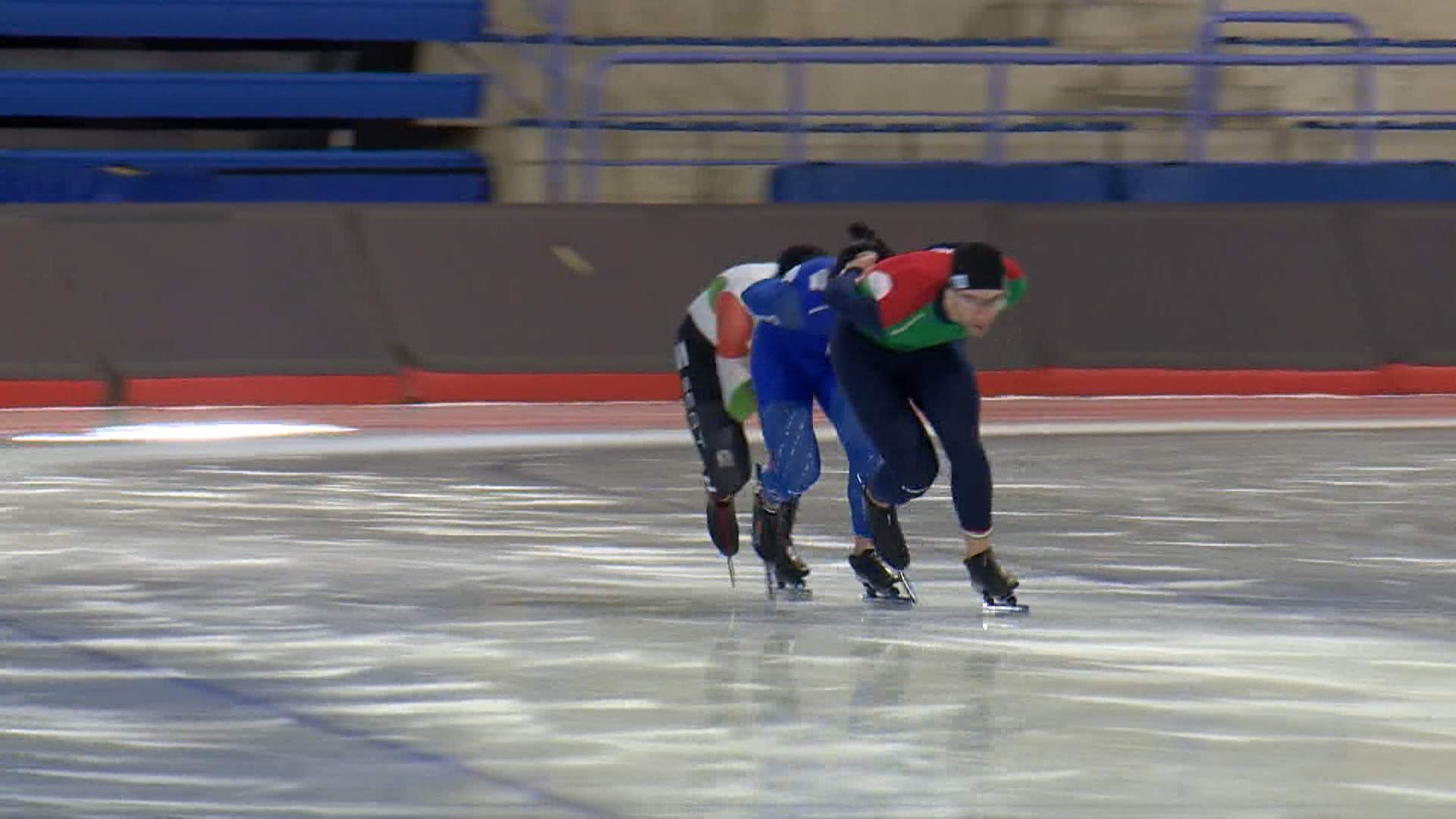
Consider what happens next for a local speed skater named Maya, a hypothetical athlete who represents hundreds of teenagers currently lacing up in Calgary. She wakes up at five in the morning while the rest of the city is wrapped in dark, sleepy silence. She walks into the oval. The air hits her face, sharp and clean. She steps onto the ice, and her blade catches the surface with a crisp, predictable bite.
That predictability is everything.
In high-performance sport, an athlete spends years fine-tuning their stride down to the millimeter. If the ice changes consistency from one lane to the next because of failing underground coils, muscle memory is betrayed. You cannot chase a personal best or a world record on shifting sands, and you certainly cannot do it on melting ice.
This funding preserves a sanctuary.
There is a unique psychological comfort in knowing that physical anchors of greatness remain intact. In an era where everything seems temporary, where stadiums are routinely demolished after a single decade and teams are uprooted for newer markets, the oval stands as a stubborn monument to longevity. It hosted the world once, and it continues to host the future every single day.
When the upgrades are finished, the casual visitor might not even notice the difference from the spectator seats. The oval will look familiar. The oval will smell familiar. The stands will still echo with the sharp thwack of starting pistols and the rhythmic roar of blades biting into frozen water.
That is the entire point.
The greatest investments in sports infrastructure do not reinvent the wheel. They simply ensure that the wheel can keep turning for the next generation of dreamers who lace up their skates in the dark, staring down a long white oval of endless possibility.