For twenty-five years, hundreds of thousands of people have lived their lives on a shifting foundation of administrative extensions and federal court dockets. Temporary Protected Status, engineered as a short-term humanitarian bandage following natural disasters, has calcified into an indefinite state of civic limbo. When the Department of Homeland Security allows designation timelines to approach expiration without immediate clarity, the resulting shockwaves ripple through family kitchens, mortgage offices, and corporate human resources departments across the United States. This is not merely a bureaucratic paperwork delay. It is an intentional structural design that keeps long-term community members perpetually vulnerable, forcing families to build roots in a country that refuses to offer a permanent horizon.
To understand why Salvadoran beneficiaries find themselves trapped in this perpetual uncertainty, one must examine the legislative architecture enacted under the Immigration Act of 1990. Congress designed the mechanism to provide temporary relief to foreign nationals who cannot safely return to their home countries due to ongoing armed conflict, environmental disaster, or other extraordinary conditions. Yet, the statute contains a fundamental structural flaw. It vests total, unreviewable discretion over designations and terminations in the executive branch. There is no statutory path from temporary protection to permanent residency, regardless of how many decades an individual spends paying taxes, raising American-born children, or owning property.
Consider a hypothetical case reflecting thousands of households in suburban Maryland or Houston. A carpenter arrives from San Salvador following the devastating earthquakes of 2001. Under emergency federal orders, he receives temporary relief. He secures a social security number, buys a modest home, and watches his children grow into fluent English speakers who graduate from local universities. Two decades later, his legal status depends entirely on whether a federal agency publishes a notice in the Federal Register before a specific midnight deadline. His entire adult life rests on administrative typography.
The psychological toll of this arrangement is heavy. Chronic uncertainty alters human behavior in predictable, damaging ways. People postpone medical procedures because they fear employment gaps will strip them of insurance. Small business owners hesitate to expand operations or secure commercial loans because their work authorization certificates carry expiration dates that outlast their business plans. Local banks view annual work permit renewals as high-risk credit hazards, driving borrowers into predatory lending markets. The system extracts economic productivity from workers while denying them the stability required to plan beyond the next federal fiscal quarter.
Legal strategies that once shielded these communities have largely reached the end of their utility. For years, complex class-action litigation provided a judicial shield against executive termination attempts. Attorneys used federal injunctions to freeze administrative phase-outs, buying precious time while political winds shifted. However, recent federal court rulings have systematically dismantled those protections, narrowing the legal theories available to plaintiffs and clearing the path for administrative expirations. The courts have repeatedly affirmed that the executive branch holds broad authority to terminate designations when conditions in the country of origin are deemed to have improved, even if those assessments ignore on-the-ground realities such as gang violence or systemic economic instability.
Employers face their own set of compliance crises when expiration deadlines loom. Under federal employment verification rules, human resources managers must reverify work authorization using Form I-9 documentation. When a designation lapses or enters a disputed window without an immediate federal extension notice, companies are thrust into regulatory gray zones. Some risk heavy federal fines by maintaining workers with expired permits, while others reflexively terminate long-tenured, highly skilled employees to avoid audits. This administrative friction creates sudden labor shortages in critical sectors including construction, hospitality, and healthcare, where Salvadoran workers occupy foundational roles.
The political dynamics surrounding the program have hardened into an intractable partisan stalemate. Proponents of immigration restriction view temporary programs through a strict textualist lens, arguing that emergency provisions must remain temporary by definition. They contend that extending protections indefinitely subverts statutory immigration laws passed by Congress. On the other side, immigration advocates point to the sheer absurdity of labeling someone "temporary" after twenty-five years of continuous residence. They argue that these individuals are integrated members of American society in every measurable way except for the ink on their government-issued identification cards.
Efforts to secure legislative relief have repeatedly stalled on Capitol Hill. Bipartisan proposals aimed at creating adjustment pathways for long-term protected populations routinely wither in congressional committees, caught in broader ideological battles over border security and enforcement priorities. Members of Congress frequently express sympathy during closed-door meetings with community leaders, yet refuse to expend political capital on floor votes. Consequently, the fate of hundreds of thousands of people remains tied to the stroke of a pen in the executive branch, swaying with every transition of presidential administration.
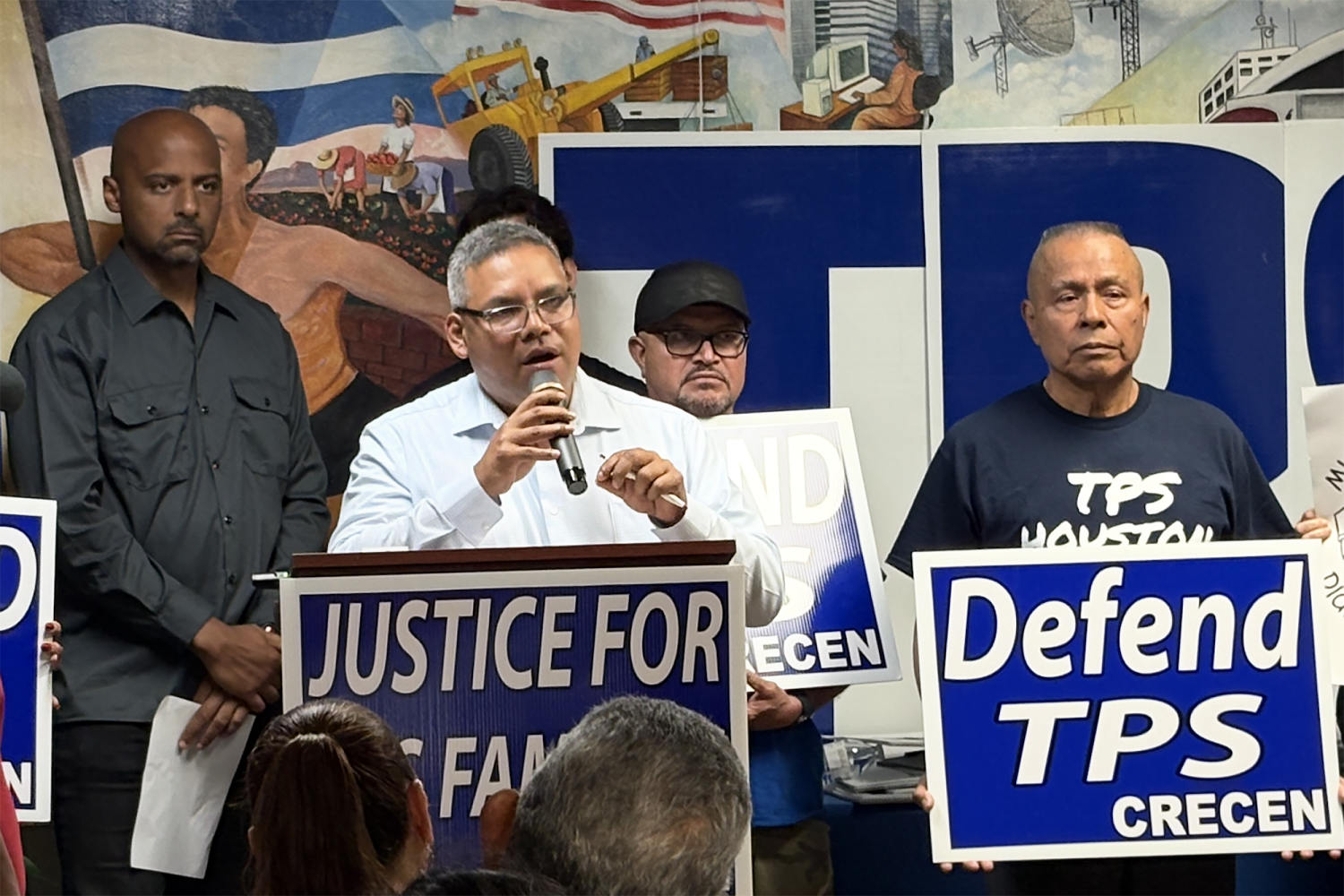
The absence of a permanent solution forces communities to build parallel safety nets. Local mutual aid groups, faith-based organizations, and legal clinics have developed sophisticated early-warning networks to assist families with re-registration paperwork, fee waivers, and emergency planning. These grassroots operations act as shock absorbers for state and federal policy failures. Yet, volunteer-led legal clinics cannot substitute for statutory permanence. They can only triage the symptoms of a broken framework while the underlying structural emergency remains unaddressed.
Children born in the United States to parents with temporary status navigate a distinct form of civic alienation. They grow up speaking English as their primary language, pledging allegiance to the American flag in school, yet carrying the quiet anxiety that their parents could be forced to pack their lives into suitcases at any moment. This dynamic breeds a deep distrust of public institutions. Families avoid seeking municipal assistance or reporting local crimes to police forces out of a lingering fear that any interaction with government bureaucracy could trigger immigration enforcement actions.
As federal agencies weigh future determinations, the structural flaws of the program become more glaring. Temporary relief was never intended to span generations, yet the executive branch continues to treat quarter-century residency as a short-term administrative inconvenience. The human cost accumulates quietly in living rooms, factory floors, and classrooms across the country, where families wait for notices that dictate whether their lives can continue. There is no administrative fix for a statute designed to deny permanence. Until lawmakers confront the reality of permanent communities living under temporary pretenses, the cycle of anxiety will persist, binding hundreds of thousands of lives to the shifting moods of federal bureaucracy.