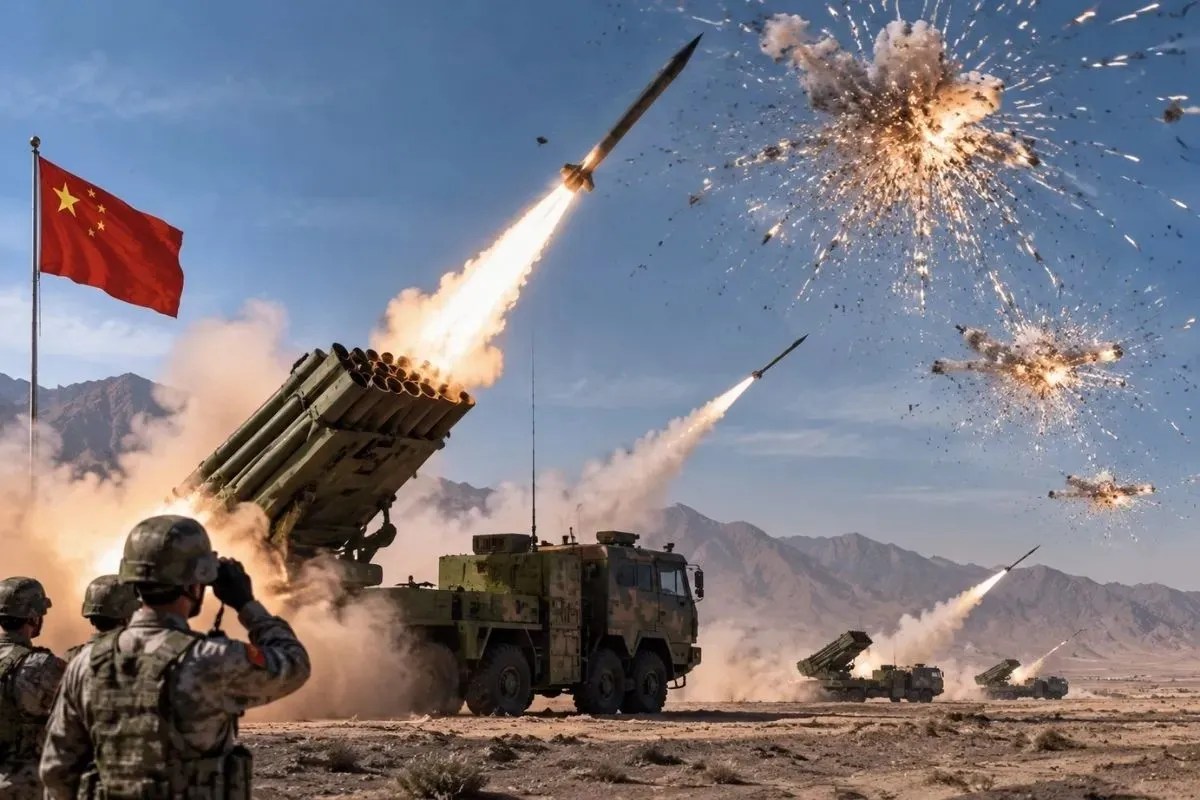
A coordinated wave of ballistic missile and drone strikes hit southern Saudi Arabia, injuring 73 civilians and igniting major fires across critical petroleum infrastructure, including Saudi Aramco facilities in Jazan, Abha, and Najran. The attacks, claimed by Yemen's Houthi movement, signal the absolute collapse of the relative calm that had settled over the Arabian Peninsula, forcing energy markets to react as Brent crude breached $98 a barrel. This sudden escalation is not an isolated border skirmish. It represents a calculated move to pressure Riyadh as the wider Middle East conflict chokes off alternative maritime corridors.
The operational mechanics of the strikes reveal a familiar vulnerability in modern energy defense. Despite billions spent on advanced anti-missile defense batteries, low-flying loitering munitions and asymmetric ballistic payloads continue to find blind spots in sovereign airspace. The Saudi Energy Ministry confirmed that operations at several targeted sites were temporarily suspended while specialized field teams worked to contain active blazes. Among the impacted locations is the sprawling Jazan refinery complex, a 400,000-barrel-per-day processing anchor situated on the Red Sea coast. When an asset of that scale halts operations, the shockwaves travel far past local distribution grids.
The Strategic Geometry of the Bab al-Mandeb Chokepoint
To understand why these strikes are happening now, look at a map of maritime shipping lanes. Iran's effective closure of the Strait of Hormuz has forced a heavy reliance on alternative export paths, prominently including the Bab al-Mandeb strait at the southern tip of the Red Sea. The Houthis declared a naval blockade targeting Saudi-linked commercial shipping in July, effectively weaponizing the geography of the Yemeni coast.
Ground offensives running parallel to these aerial strikes have intensified dramatically around strategic ports like Mocha and the rugged terrain of Taiz. Thousands of families have been displaced as forces aligned with the internationally recognized Yemeni government launch counteroffensives against advancing rebel units. By simultaneously threatening regional oil processing hubs and maritime transit, the movement is attempting to secure maximum leverage.
The Economic Aftershocks
Energy traders are pricing in structural risk that goes beyond temporary repairs. The convergence of blockaded northern Persian Gulf routes and compromised southern Red Sea infrastructure creates an unprecedented bottleneck for global petroleum logistics.
- Refinery Vulnerability: Facilities in Abha, Khamis Mushait, Jazan, and Najran remain within standard tactical missile range, exposing persistent limitations in point-defense shielding for industrial zones.
- Global Pricing Pressure: International benchmarks climbed immediately following confirmation from the Saudi-led coalition, reflecting acute sensitivity to any reduction in Saudi spare production capacity.
- Insurance and Freight Costs: Commercial carriers navigating the southern approaches face surging war-risk premiums, further compounding supply chain inflation.
Diplomatic Fallout and the Specter of Full War
Senior political figures have responded with predictable severity. Major General Turki al-Maliki, spokesperson for the coalition, classified the assault as a dangerous escalation, vowing that military commands will take all necessary measures to neutralize threats at their source. Meanwhile, Saudi Foreign Minister Prince Faisal bin Farhan, speaking in Moscow during diplomatic consultations with Russian counterpart Sergei Lavrov, emphasized that Riyadh exercised immense restraint before being forced into defensive postures.
Yet, diplomacy is finding little purchase amid the smoke of burning storage tanks. The cycle began in earnest when coalition warplanes intercepted a challenge to the long-standing air blockade over Sanaa, followed swiftly by retaliatory prison strikes and the current barrage on economic infrastructure.
The friction points are multiplying faster than mediators can draft ceasefires. As emergency crews douse the remaining flames across the kingdom's southern sector, the structural reality remains clear: the southern energy corridor is no longer a safe haven.