The skies open up, the smartphone buzzes, and suddenly your morning routine turns into total survival mode. Anyone who lives in Hong Kong knows this exact feeling. A sudden heavy downpour quickly escalates into a major disruption, leaving thousands of families scrambling to figure out if their kids should head to school or stay inside.
The recent decision where the Hong Kong Observatory downgraded a red rainstorm warning to amber right after class suspensions perfectly highlights a systemic headache. It happens fast. One minute you are packing school bags, the next you are told that classes are canceled, and shortly after, the warning drops a level. It feels erratic. It drives parents crazy. But there is a complex mechanical process behind these decisions that affects millions of residents.
Understanding how the Hong Kong rainstorm warning system functions is about managing daily survival during the wet season. When the red signal drops to amber, the immediate danger might seem like it is passing, but the logistical mess is just getting started.
The Reality of the Hong Kong Rainstorm Warning Shift
The Hong Kong Observatory uses a three-tier rainstorm warning system based on color codes. Amber is the baseline, signifying heavy rain exceeding 30 millimeters per hour. Red means things are getting serious, with rainfall topping 50 millimeters per hour and likely to continue. Black is the highest level, representing catastrophic downpours over 70 millimeters per hour.
Rainstorm Warning Levels in Hong Kong
--------------------------------------------------
Amber: >30 mm/hour (Stay alert, heavy rain)
Red:   >50 mm/hour (Classes suspended, high risk)
Black: >70 mm/hour (Stay indoors, severe flooding)
--------------------------------------------------
When the weather gods push the rain gauge past that 50-millimeter threshold, the Education Bureau steps in automatically. They suspend classes for all kindergarten, primary, and secondary schools. This policy aims to protect children from getting trapped in flooded streets or dangerous landslides.
The real frustration occurs during a rapid downgrade. When the red rainstorm warning shifts down to amber, the weather is technically improving, but the class suspension remains in place for the day. You cannot simply turn the school bus around and tell everyone to head back to the classroom. The decision is final for the school day, leaving parents to balance child care arrangements with their own work obligations.
Why the Timing of Class Suspensions Always Sparks Outrage
Timing is everything in a dense metropolis. If the Observatory issues a red alert at 6:00 AM, families can adjust before leaving the house. The real nightmare begins when the warning drops closer to 8:00 AM.
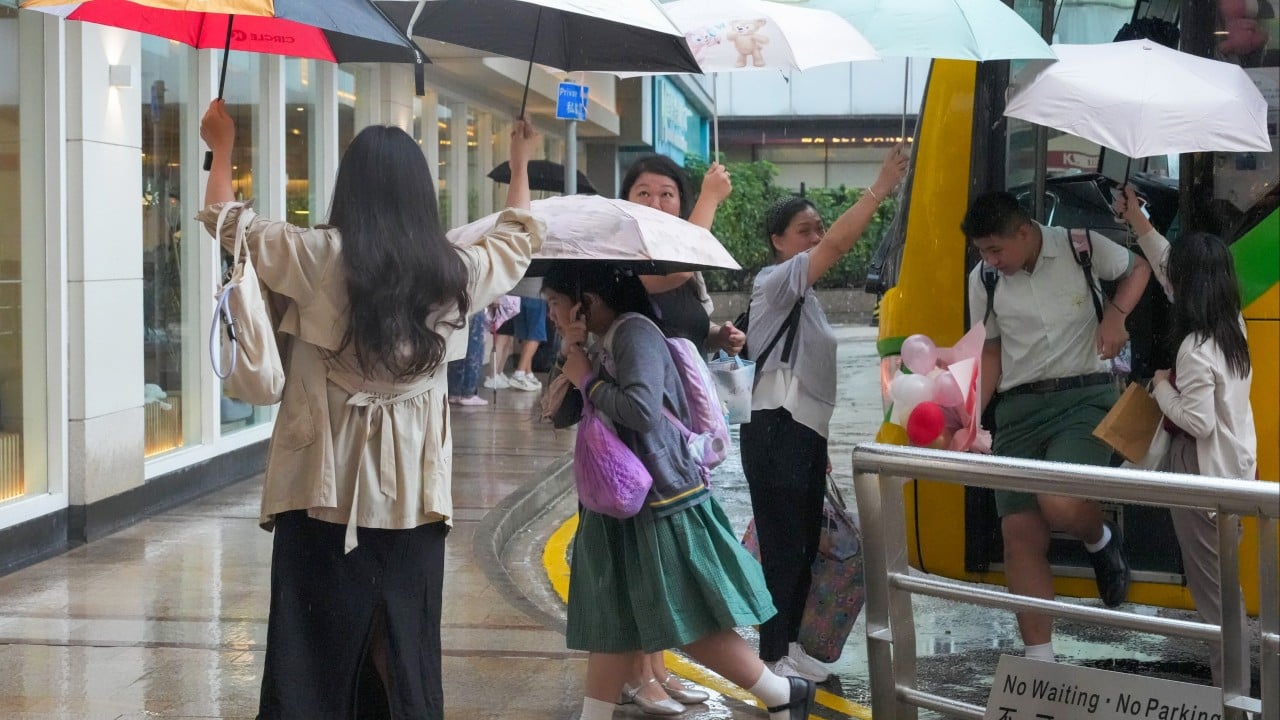
Imagine the scenario. Thousands of students are already on school buses, MTR trains, or walking through torrential downpours. The red alert hits. The Education Bureau announces class suspensions immediately. Suddenly, schools must activate emergency protocols to care for students who are already arriving, while parents who just got to their offices have to figure out how to retrieve their children safely.
- The Travel Dilemma: Students caught in transit face a confusing choice between going forward to school or heading back home in dangerous conditions.
- The Workplace Pressure: Employers expect staff to show up during amber and red alerts, creating a massive conflict for working parents who suddenly have kids stuck at home.
- The Communication Gap: Notification delays between the weather app, school portals, and live news feeds often leave people working with outdated information.
This operational gap creates a situation where a downgrade to an amber warning feels like an afterthought. The damage to the daily schedule is already done. The city remains functional for businesses, but the educational infrastructure grinds to a halt for the rest of the day.
How the Hong Kong Observatory Makes the Call
The scientists tracking these storms are trapped between a rock and a hard place. They rely on real-time radar data, satellite imagery, and localized rain gauges spread across the territory. Rainstorms in Hong Kong are notoriously unstable. They can intensify over the South China Sea and slam into Hong Kong Island or the New Territories with very little warning.
A storm might dump 60 millimeters of rain over Shatin within forty minutes, triggering the automatic red alert criteria. Then, just as quickly, the main storm system moves out toward sea, causing the hourly rainfall rate to plummet. The Observatory has to look at the immediate data. If the numbers drop below the threshold, they must downgrade the warning to amber to keep the wider economy moving.
They cannot hold the red warning active purely for convenience if the physical danger has decreased. Keeping a red alert active unnecessarily locks down transport networks, halts outdoor work, and disrupts courts and government services. They look strictly at the numbers, even if those numbers cause a logistical nightmare for households trying to coordinate schedules.
Managing the Rainstorm Chaos Safely
When a red signal drops to amber after classes are already canceled, you need a clear action plan. Do not count on the weather clearing up instantly just because the color on your app changed from red to yellow. Amber rain still means significant downpours and slick surfaces across the city.
Check with the School Administration Immediately
Never assume your child will be sent back home on a public bus automatically during a suspension. Schools stay open to care for students who have already arrived. Teachers and administrative staff remain on site to supervise these children until it is safe for them to return home. Get in touch with the school office to confirm whether your child is safe inside or if you need to make immediate pickup arrangements.
Evaluate Local Road Conditions
A downgrade in the warning level does not mean the streets dry up instantly. Flash flooding takes time to clear, especially in low-lying areas like Northern New Territories or specific pockets of Kowloon. Check live traffic updates and avoid flooded roads where hidden debris or open drains can pose serious safety hazards.
Understand Your Workplace Rights
Under the guidelines set by the Labour Department, employees are generally expected to remain at work or report for duty if an amber or red rainstorm warning is active. Only a black rainstorm warning or a Typhoon Signal No. 8 alters standard work attendance expectations. Talk to your manager about flexible options if a class suspension leaves you without child care options during a sudden weather shift.
The friction between scientific data and human logistics will always exist during Hong Kong's wet season. The Observatory tracks the physical cloud formations, while the public deals with the social reality. Staying informed through official channels and having a backup family plan is the only way to survive these sudden atmospheric shifts without losing your mind.