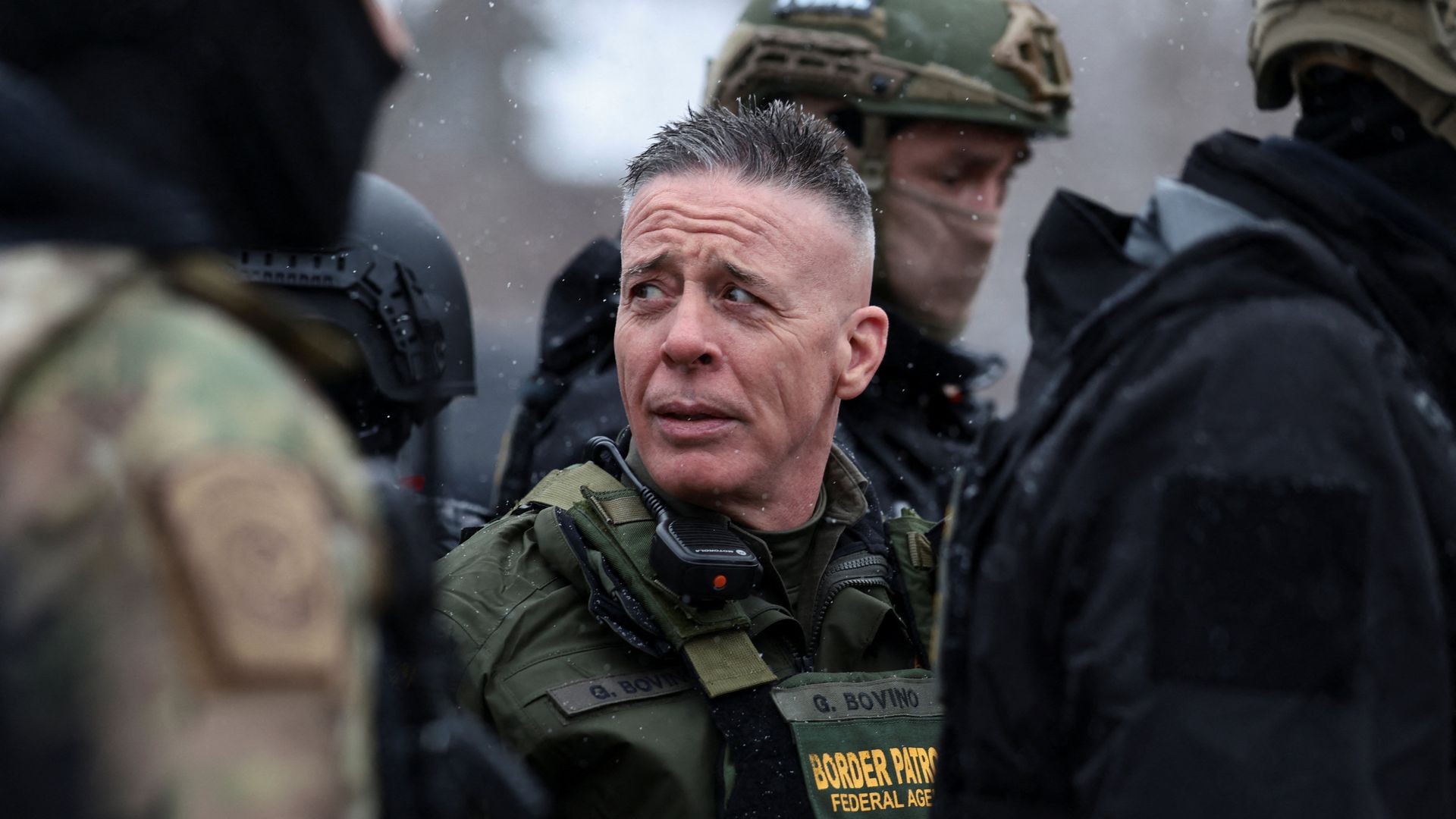
Greg Bovino is hanging up the uniform. The man who became the unmistakable face of the most aggressive immigration surge in modern American history is retiring at the end of March 2026. If you've followed the news out of Minnesota lately, you know this isn't just a standard "thanks for your service" departure. It's the messy conclusion to a tenure defined by tactical gear, midnight raids, and the deaths of two American citizens that turned the Twin Cities into a powder keg.
Bovino didn't just lead a team; he led "Operation Metro Surge." He was the commander-at-large for Customs and Border Protection (CBP), overseeing a massive deployment of agents into cities like Los Angeles, Chicago, and New Orleans. But it was Minneapolis where the wheels finally fell off. His retirement follows a swift fall from grace that saw him stripped of his leadership duties in January, only to be replaced by Border Czar Tom Homan. Meanwhile, you can explore related developments here: The Cold Truth About Russias Crumbling Power Grid.
The Minneapolis breaking point
What turned Bovino from a rising star in the Department of Homeland Security into a liability? Look no further than the deaths of Renee Good and Alex Pretti.
In early January 2026, an ICE officer shot Renee Good, a 37-year-old mother of three, while she was in her car. The administration scrambled to claim self-defense, but video evidence told a different story. It showed a vehicle moving slowly and an officer who didn't appear to be in the "vicious" danger the White House described. To understand the bigger picture, we recommend the detailed report by USA Today.
Less than two weeks later, the situation turned from bad to horrific. Alex Pretti, a 37-year-old ICU nurse and legal observer, was shot and killed by agents. Bovino's response to the Pretti shooting was what many believe sealed his fate. He claimed Pretti—who was carrying a licensed firearm but was reportedly holding a cell phone when tackled—wanted to "massacre law enforcement."
The backlash was instant. Even within the government, the cracks were showing. Top officials in the DOJ’s Civil Rights Division resigned because they weren't allowed to investigate the shootings. When your own colleagues quit rather than look the other way, you've got a problem.
A legacy of tactical friction
Bovino’s style was never subtle. He was often seen on the streets of Minneapolis wearing a long olive-green overcoat that critics, including California Governor Gavin Newsom, compared to historical authoritarian uniforms. It wasn't just about the clothes, though. It was the philosophy. Bovino famously told media outlets that if U.S. citizens got in the way of his operations, things "may not work out well for them."
He wasn't lying. Under his watch in early 2026:
- Arrests of people with no criminal records jumped from 100 to 500 per day.
- Federal agents were accused of smashing windows and using excessive tear gas in residential neighborhoods.
- A federal judge noted that the agency had likely violated more court orders in a single month than some agencies do in their entire existence.
Bovino was a close ally of outgoing DHS Secretary Kristi Noem, but even that political cover wasn't enough to withstand the local and national outcry. Minneapolis and Saint Paul eventually sued to halt the surge, calling the federal presence a "siege."
What happens after the retirement
Bovino’s exit doesn't mean the controversies vanish. There’s still the matter of the Minnesota state investigation into the shootings. While the FBI has tried to block local authorities from reviewing evidence, Governor Tim Walz has been vocal about getting answers for the families of Good and Pretti.
Tom Homan has already taken the reins of the Minnesota operations, signaling a shift in leadership if not a total shift in policy. For the agents who served under Bovino, the retirement marks the end of a specific, high-intensity era of interior enforcement.
If you’re watching this from the sidelines, don't expect the legal battles to end on March 31. The "Metro Surge" has left a trail of litigation that will likely outlast Bovino’s career by years. If you live in an area with active enforcement operations, keep your documents ready and know your rights regarding federal interactions on city streets. The leadership might change, but the playbook is still being written.