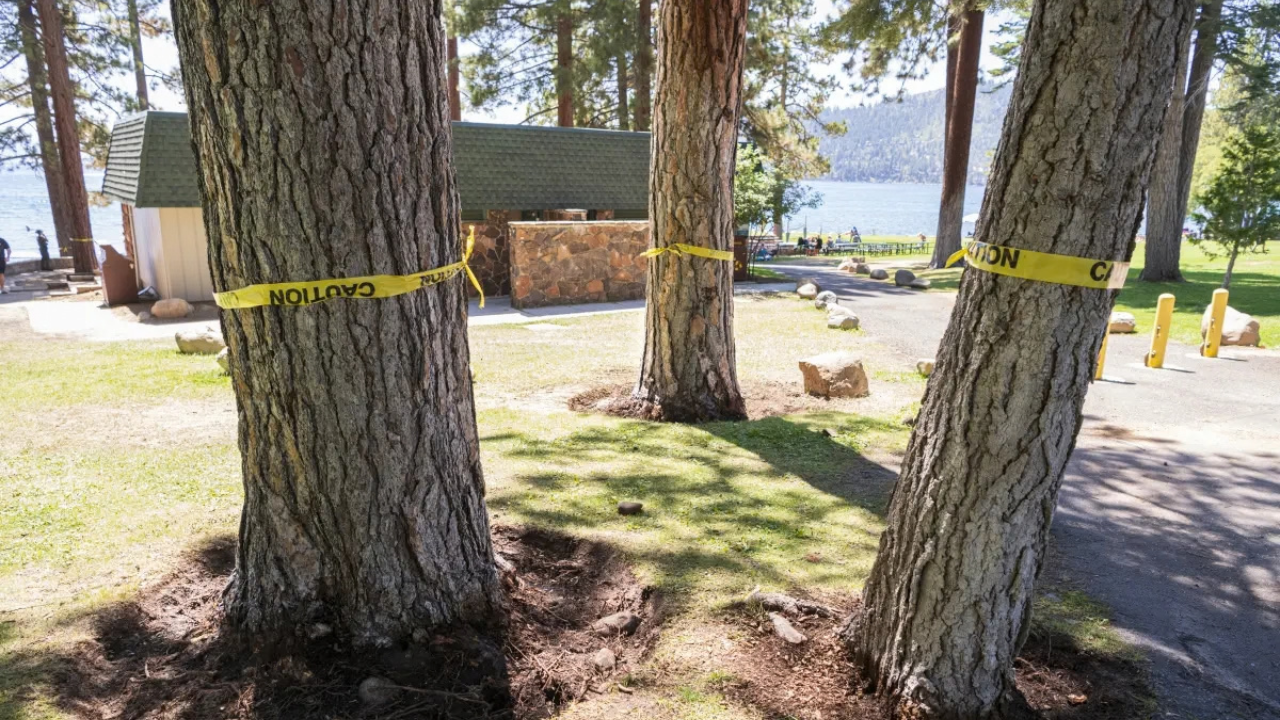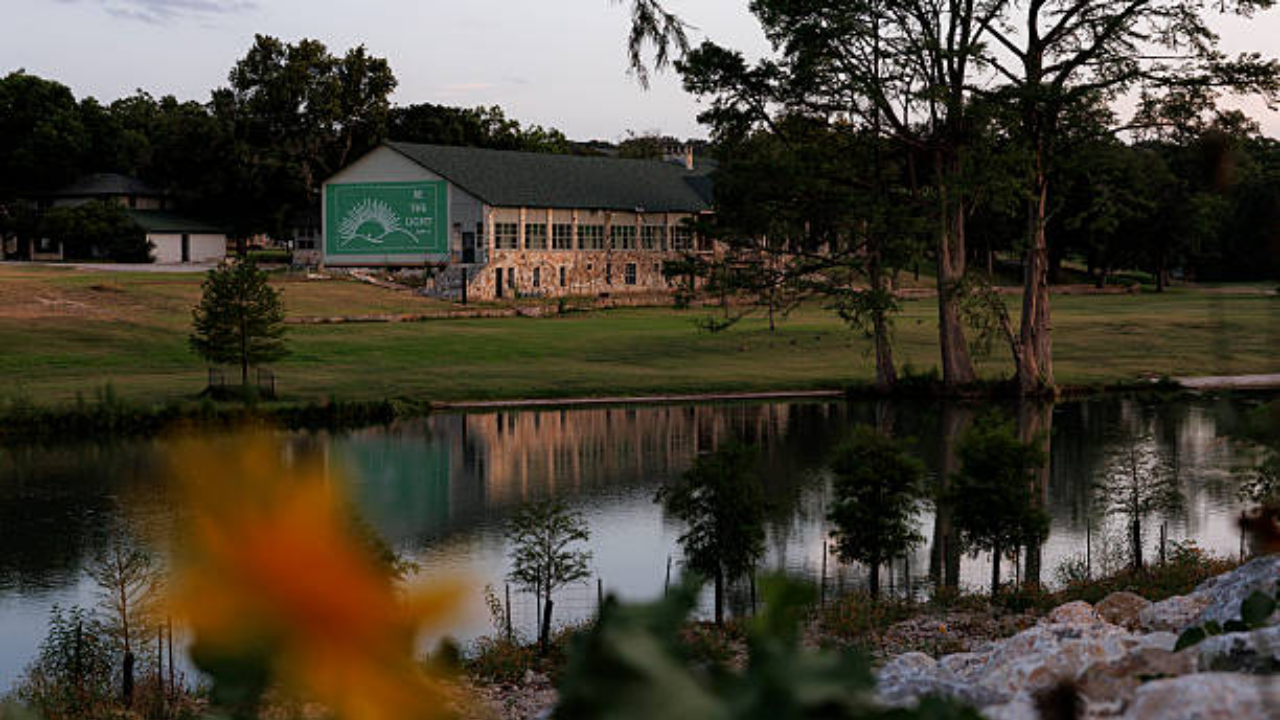
For more than a century, Camp Mystic stood as a Texas Hill Country institution. Families sent generations of daughters to its riverside cabins along the Guadalupe River. That legacy shattered overnight. A catastrophic flood swept through the property on July 4, 2025, taking the lives of 27 campers and counselors. Now, the century-old summer camp is facing a total liquidation. Its owners have filed a Chapter 11 bankruptcy reorganization plan that puts the entire 749-acre riverfront property up for a court-supervised auction.
The move marks a staggering collapse for one of the most famous private youth camps in the South. It also triggers a high-stakes legal battle over accountability, creditor payouts, and the future of sacred land soaked in tragedy. If you want to understand how a beloved century-old landmark unraveled so fast, you have to look past the sentimental marketing and examine the harsh realities of modern liability, financial ruin, and the unforgiving geography of Texas flash floods.
The Morning the Guadalupe River Changed Everything
Summer camps in the Texas Hill Country live on borrowed time when it comes to weather. The region is one of the most flash-flood-prone areas in North America. Steep limestone canyons funnel heavy rainfall straight into narrow riverbeds with terrifying speed.
On July 4, 2025, that geography turned deadly. Rising waters caught the camp by surprise in the dark hours of the morning. Twenty-seven young campers and counselors lost their lives before emergency responders could reach them. Most victims were under ten years old. For many families, it was their very first week at summer camp.
Public outrage followed immediately. Independent investigators and state officials started asking hard questions about emergency preparedness, evacuation protocols, and staffing decisions. Reports surfaced detailing how much the camp relied on teenage counselors who lacked formal emergency rescue training. Parents, grieving communities, and public safety advocates realized that the tragedy wasn't just an act of God. It was a failure of systems and oversight.
Financial Pressure and the Chapter 11 Filing
Lawsuits piled up fast. Grieving families filed massive wrongful-death claims against the camp's leadership and ownership, the Eastland family. Facing ruinous legal expenses and massive liabilities that insurance policies couldn't touch, the camp hit a financial wall.
Camp Mystic officially sought Chapter 11 bankruptcy protection. The filing halted civil lawsuits temporarily, but it didn't make the legal trouble disappear. Instead, it shifted the battlefield from state courtrooms to federal bankruptcy court under U.S. Bankruptcy Judge Christopher M. Lopez.
Bankruptcy is designed to give distressed businesses breathing room to restructure debts. But in this case, restructuring a summer camp focused on youth recreation after a tragedy of this magnitude is impossible. You can't simply market a fresh season to parents when the grounds themselves are synonymous with an unmitigated disaster. The owners realized they had no operational future left. They had to liquidate.
Inside the 749 Acre Riverfront Property Auction Plan
The proposed bankruptcy liquidation plan details a court-supervised auction for the massive 749-acre property located near Hunt, Texas. This is prime Guadalupe River frontage. For decades, owning this parcel would have drawn fierce bidding wars from wealthy investors, resort developers, and rival camp operators.
Right now, the psychological weight of the land changes everything. The bankruptcy filings suggest that an incoming buyer could theoretically continue operating the property as a youth camp. But there's a massive catch. Any new owner would still need to secure a fresh youth camp license from the Texas Department of State Health Services. They would have to pass rigorous pre-licensing inspections under heightened state scrutiny.
State regulators aren't handing out permits lightly anymore. Lawmakers and health officials have pushed for stricter safety regulations across all Texas summer camps in response to the pressure from grieving families. A buyer stepping into this auction isn't just purchasing scenic acreage and rustic cabins. They are inheriting a toxic brand name and an enormous regulatory hurdle.
Some prospective buyers might eye the property for private residential development or a corporate retreat center rather than a children's camp. Yet even then, local sentiment runs deep. The community remembers every single life lost on those riverbanks. Memorial crosses still stand across the water. Erasing that history won't happen easily, regardless of who writes the highest check in bankruptcy court.
Criminal Investigations and the Fight for Accountability
While the bankruptcy court sorts out property values and asset distribution, the legal shadow over the camp's owners keeps growing darker. Civil lawsuits are only part of the equation.
State police investigators and the Texas Rangers secured search warrants for the electronic communications of the camp's leaders. Investigators stated publicly that those records could provide evidence of manslaughter, negligent homicide, child abandonment, or other criminal offenses. While no criminal charges had been formally filed at the time of the bankruptcy auction filing, the threat hangs heavy over the proceedings.
Victims' families are refusing to let the bankruptcy court sweep human negligence under the rug. Attorneys representing parents have made it clear that financial settlements won't satisfy their pursuit of justice. They want accountability. They want to know why leaders didn't order an evacuation hours earlier when warning signs flashed red. Investigators noted that an earlier evacuation decision could have saved every single life.
When a business files for bankruptcy, it usually tries to shield its principals from personal liability. But fraud, gross negligence, or criminal charges pierce those corporate protections. The auction of the 749-acre property might fill creditor accounts, but it won't stop prosecutors or grieving parents from demanding criminal answers.
What Happens to the Creditors and Families Now
Bankruptcy auctions follow strict legal hierarchies. Secured creditors get paid first. Tax authorities and legal administrative costs take priority slices. After that, unsecured creditors and plaintiffs holding wrongful-death claims fight over whatever cash remains in the estate.
For the families who lost children, monetary compensation through a bankruptcy payout will never feel adequate. A settlement check cannot replace a child. Furthermore, the total pool of assets generated by auctioning the land might fall far short of the total damages sought across dozens of catastrophic wrongful-death lawsuits.
Lawyers for the families are scrutinizing every line of the bankruptcy plan. They want to ensure that insurance proceeds, hidden assets, and corporate reserves are fully exposed and funneled toward justice. The bankruptcy court has to approve the final auction rules and bidding procedures. Judge Lopez will ultimately decide how the claims are handled and whether the sale moves forward as planned.
Camp Mystic's story is a cautionary tale about complacency, natural hazards, and the failure of institutional responsibility. A century of tradition vanished because safety protocols failed when the water rose. Now, the land itself is up for grabs to the highest bidder, marking the definitive end of an era in the Texas Hill Country.
If you're watching this case unfold, pay close attention to how federal bankruptcy law intersects with mass tort liability. The outcome here will set a precedent for how negligent operators are stripped of their assets when tragedy strikes private recreational businesses. The auction blocks are waiting, but the ghosts of the Guadalupe River will linger long after the final sale closes.