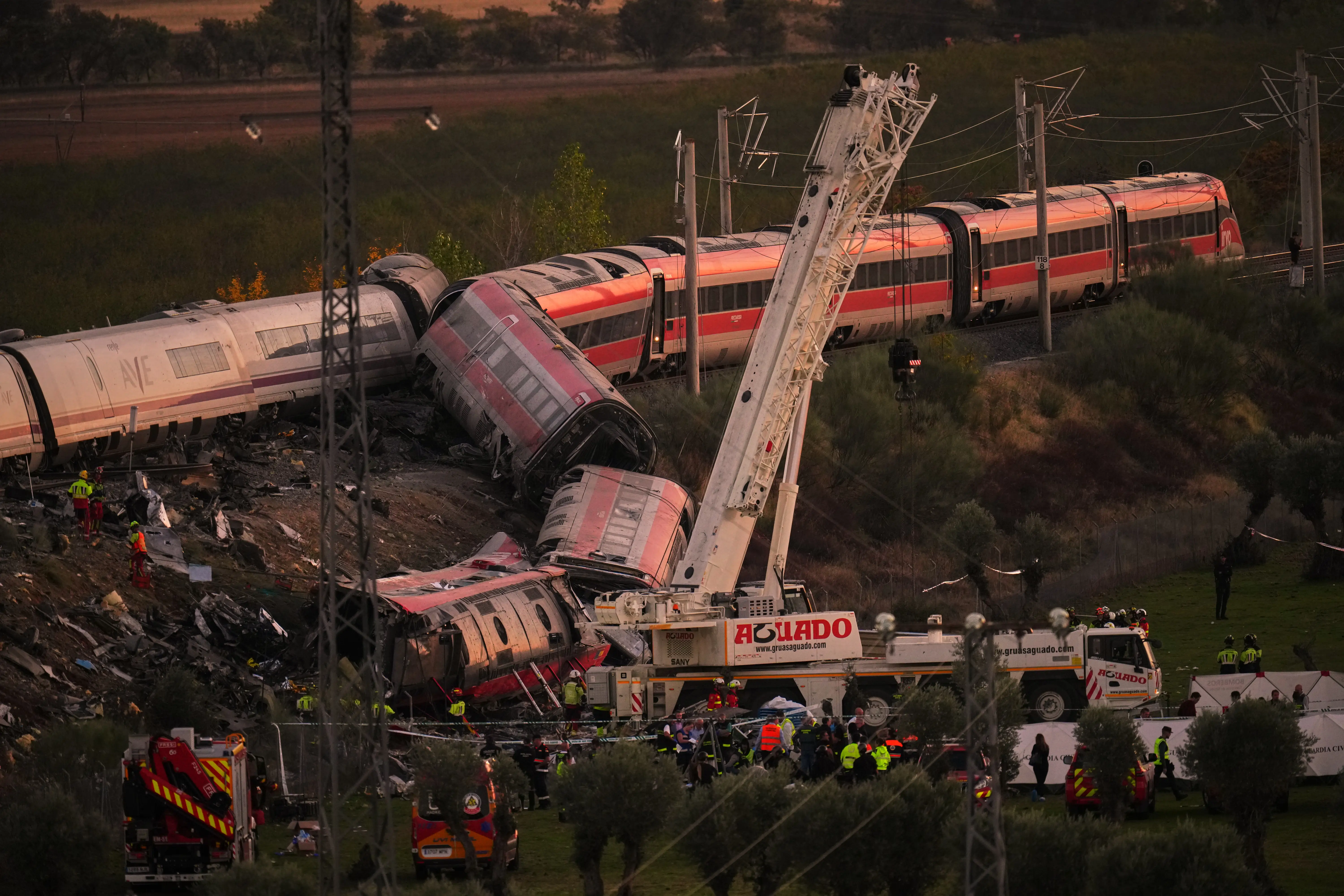
Two deadly train crashes in a single year should never happen in a country that built the second-longest high-speed rail network on Earth. Yet here Spain is. Voters are heading toward a national election with twisted steel, grieving families, and furious unions dominating the front pages.
If you've been following the coverage, you've probably seen the usual political finger-pointing. Opposition leaders blame government underinvestment, while ministers point fingers at regional contractors or unpredictable weather. They're both missing the real story. The crisis gripping Spain's railways isn't a sudden fluke or a simple budget line item—it's the predictable result of a fractured system trying to run high-speed glamour on top of neglected commuter tracks.
The Two-Tier Rail Reality Nobody Wants to Admit
Ask any commuter in Madrid, Barcelona, or Valencia about their daily train, and you won't hear praise for Spain's world-famous AVE bullet trains. You'll hear frustration.
Spain poured billions of euros over the last three decades into gleaming high-speed lines connecting major cities. It worked. Those trains are fast, sleek, and mostly reliable. Meanwhile, the regional and commuter networks—known as Cercanías in Madrid and Rodalies in Catalonia—were treated like an afterthought. Millions of ordinary workers rely on these aging lines every single day, yet signal upgrades, track maintenance, and rolling stock replacements lagged behind for years.
When a second fatal crash hits within twelve months, the public anger isn't just about the immediate tragedy. It's the boiling over of years of delayed trains, broken escalators, and crumbling infrastructure that commuters have endured while politicians cut ribbons on new high-speed routes.
Honestly, you can't run a modern rail network on a two-tier system forever. Eventually, the neglected half breaks.
Why Railway Liberalization Complicated Everything
Here's another angle most casual observers miss. Over the past few years, Spain opened its passenger rail market to private competition. Companies like Ouigo and Iryo entered the tracks alongside the state-owned operator, Renfe. Ticket prices dropped, passenger numbers surged, and politicians celebrated a massive win for consumers.
More trains mean more wear and tear.
While private operators and Renfe aggressively added daily frequencies to capture market share, the state infrastructure manager, Adif, had to maintain tracks carrying significantly heavier traffic loads. Maintenance windows shrank because trains were running almost around the clock. When you squeeze maintenance crews into tighter overnight slots while pushing older regional lines harder than ever, safety margins get dangerously thin.
It's a classic infrastructure trap. You celebrate record passenger numbers in press releases while the steel underneath takes a beating.
How Rail Safety Became an Election Weapon
Timing changes everything in politics. A fatal rail accident is always a national tragedy, but when a second one strikes right before a national election, it transforms into an existential threat for the sitting government.
Spanish voters have a long memory when it comes to public infrastructure failures and official transparency. Whenever a disaster hits close to an election cycle, the immediate instinct in Madrid is damage control. Ministers rush to the microphones, promise immediate audits, and announce emergency funding packages.
Voters aren't buying quick fixes anymore.
The opposition knows that railway safety hits a nerve across every demographic. High-speed rail is used by business travelers and tourists, while commuter rail is the lifeline of working-class suburbs. If a government can't guarantee that a routine morning commute won't end in disaster, trust evaporates fast. Unions representing train drivers and track workers have already staged protests and threatened strikes, warning that staff shortages and outdated signaling systems put both crews and passengers at risk.
What Actually Needs to Happen on the Tracks
Fixing a railway system isn't something you solve with a campaign speech or a press conference. Real safety reform takes years of unglamorous, expensive engineering work that doesn't look good on a campaign poster.
First, Adif and the Transport Ministry have to shift capital spending away from flashy new high-speed extensions and pour it directly into track renewal, modern signaling systems like ERTMS (European Rail Traffic Management System), and automated braking tech across regional lines. High-speed corridors already have top-tier safety systems; secondary routes often don't.
Second, maintenance schedules need breathing room. If track traffic has doubled in certain corridors due to market liberalization, maintenance budgets and overnight engineering windows must expand to match that reality. You can't run a 21st-century timetable on a 20th-century maintenance schedule.
Finally, independent accident investigations need full transparency and speed. Spain has faced criticism from European Union regulators in the past over the independence and pace of its rail accident inquiries. Families and voters deserve clear technical answers—not redacted reports delayed until after the ballots are counted.
If you're watching the Spanish election unfold over the coming weeks, pay less attention to the podium speeches and watch what happens with the rail unions and Adif's capital budget. Follow the independent safety reports from the European Union Agency for Railways to see whether Spain actually upgrades its regional signaling systems or simply papers over the cracks until the next campaign cycle.