The coffee was still warm on the counter. Outside, the pre-dawn air of western Colombia carried that familiar, damp chill rolling down off the Andes, promising another slow morning in the coffee belt. Then the floor vanished.
There is no sound quite like a major earthquake. It does not rumble politely. It tears. It groans with the sound of a million tons of stone grinding against stone, a metallic shriek of rebar parting ways with concrete, and then, the sudden, suffocating silence of dust filling the lungs.
When the shaking finally stopped, more than seventy souls had slipped away into the dark. Entire neighborhoods in the mountain valleys were reduced to jagged piles of grey rubble, where a few hours earlier, families were sleeping under tin roofs, dreaming ordinary dreams.
The Geography of a Fracture
To understand what happened in western Colombia, you have to look down, deep beneath the coffee plants and the steep green ridges. This is a region born of tectonic violence. The Nazca Plate grinds relentlessly beneath the South American Plate, a slow-motion collision that has pushed the Andes toward the sky over millions of years. It is a masterpiece of geological architecture, and a persistent, ticking clock.
Seismologists registered the magnitude, rattled off the depth, and pointed at fault lines on glowing monitors hundreds of miles away. But numbers on a screen fail to capture the reality on the ground. A magnitude quake in this part of the world behaves like an invisible sledgehammer. It doesn't just shake buildings; it liquefies hillsides, turning rain-soaked mountain roads into rivers of mud that swallow cars, homes, and escape routes in a single gulp.
Consider a hypothetical resident—let us call him Mateo—living on the sloping outskirts of a regional town. Mateo is not a geologist. He does not know the friction coefficients of subduction zones. He only knows that his grandfather built their house out of heavy adobe bricks fifty years ago, a technique passed down through generations. Adobe is cool in the afternoon heat. Adobe is cheap.
When the earth buckled, adobe turned to sand in seconds.
That is the hidden cruelty of tectonic geography. The very materials that define local architecture, chosen for availability and tradition, become lethal when the ground rolls like an ocean wave.
The Anatomy of Chaos
Minutes after the first violent jolt, the real battle began.
Communication lines snapped. Cell towers lost power. In the pitch-black hours before sunrise, panic is amplified by the unknown. People stumbled into the streets in their pajamas, clutching crying children, staring up at fractured facades that threatened to tumble down with every erratic aftershock.
(Note: As a journalist who has walked through the wreckage of similar Andean disasters, I can tell you that the air smells immediately of two things: crushed mortar and leaking cooking gas. It is a suffocating, unforgettable scent.)
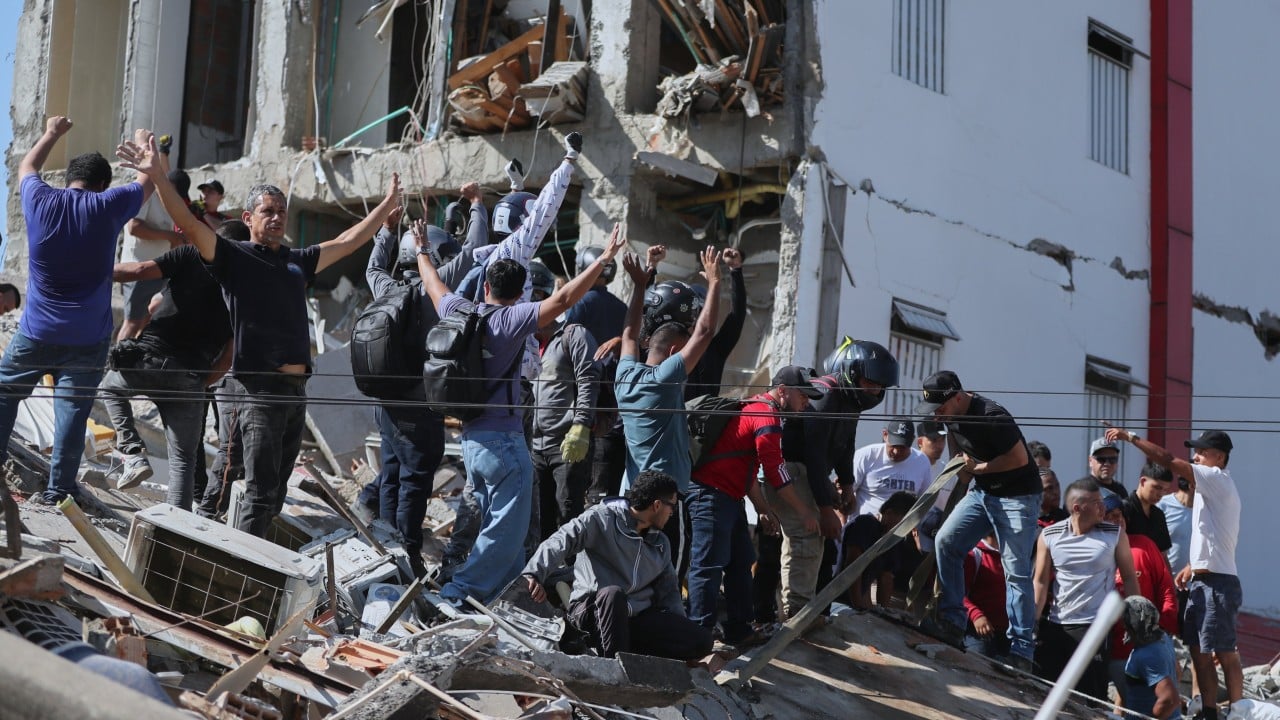
Emergency responders faced an impossible logistical nightmare. Bridges were cracked down the middle like dry twigs. Landslides blocked the narrow mountain switchbacks that connect rural hamlets to larger urban hospitals. Every second counts when someone is trapped under a collapsed roof, but when the roads themselves have dissolved into the valley, time stretches out like elastic.
Local volunteers became the first line of defense. With bare hands, kitchen spoons, and broken shovels, neighbors clawed at the concrete slabs of collapsed homes. They called out names into the dark. Sometimes, an answering voice emerged from a pocket of air beneath a fallen beam, sparking a frantic, collective burst of strength. Too often, they hit only silence.
Why This Keeps Happening
It is easy to call these events natural disasters, but nature is only half the equation. The rest is written in concrete, economics, and human vulnerability.
Western Colombia has lived through seismic trauma before. The ghosts of past earthquakes linger in the collective memory of every elder in the region. Yet, rapid urbanization, poorly regulated construction in high-risk zones, and underfunded municipal infrastructure create a standing invitation for tragedy.
Building codes exist on paper, heavy binders gathering dust on government shelves. Enforcing them in remote, economically fragile mountain communities is another matter entirely. When a family is choosing between putting food on the table today and reinforcing concrete columns against an invisible future threat, the future usually loses.
And so, the death toll climbs past seventy. It is a number that will likely tick upward as rescue teams reach the most isolated coffee-growing communities high up in the folds of the mountains. Behind that statistic are seventy distinct universes: mothers, bakers, students, mechanics, children who will never take their final exams.
The Long Shadow After the Tremors
The cameras will eventually leave. The breaking news banners will fade to make room for the next global crisis.
Back in the valleys, the real work begins. Families will sleep under blue plastic tarps while the tropical rains arrive to mock their exposure. The smell of crushed mortar will linger for weeks, settling into the clothing of everyone who stayed behind to dig.
The earth beneath the Andes will not rest. It is still shifting, millimeter by millimeter, storing up energy for tomorrow. But right now, in the immediate wake of the ruin, the survivors are simply trying to find a cup of clean water in a world that tilted on its axis while they slept.