Mass casualty events in remote geographical zones expose systemic failures in communication redundancy, turning standard travel itineraries into complex intelligence recovery operations. When infrastructure collapses under catastrophic flash flooding along high altitude corridors like the Nepal-Tibet border, the primary variable affecting survival rates is not just the immediate impact force of the water, but the operational latency of regional emergency response. Families searching for unaccounted citizens face an information vacuum governed by geographic isolation, bureaucratic jurisdictional friction, and degraded telecommunications networks. Understanding how these crises evolve requires analyzing the structural breakdown between initial contact loss and coordinated extraction efforts.
The Mechanics of Border Zone Communication Blackouts
When trekking groups traverse high altitude frontier zones, telemetry depends on localized relay stations and predictable cellular grid coverage. In regions surrounding border crossings like Gyirong Port, topographical barriers naturally restrict signal propagation. When extreme weather events induce structural power failures, the communication architecture collapses instantly.
This creates a distinct operational phase:
- Phase One: The immediate disruption of physical transport lines and localized transmission towers.
- Phase Two: The intentional or forced radio silence imposed by survival conditions, where mobile devices are conserved or disabled by water ingress.
- Phase Three: The administrative lag where consular offices transition from localized missing person inquiries to consolidated national disaster tracking.
During these phases, families experience a structural delay between local disappearance and official recognition. The friction stems from the multi-tiered reporting chain required when citizens cross international lines. Local tour operators must communicate with regional authorities, who then brief national disaster management agencies, who subsequently coordinate with foreign embassies such as the Department of Foreign Affairs and Trade. Each handoff introduces administrative drag, compounding the anxiety of those waiting for updates.
Quantifying the Information Deficit in Foreign Rescue Operations
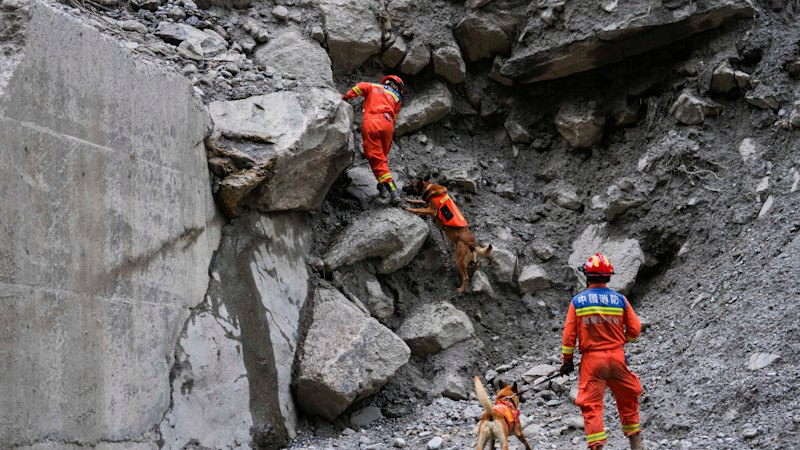
Search and rescue deployments in mountainous terrain operate under severe logistical constraints. Resource allocation follows a triage model dictated by accessibility, weather stability, and confirmed survivor sightings. When dozens or hundreds of individuals remain unaccounted for across expansive valleys, search parameters widen exponentially, diluting the effectiveness of ground teams.
The operational bottleneck is defined by three primary variables:
- Geographic Dispersion: Pilgrims and independent travelers are rarely stationary; their itineraries involve continuous movement along variable elevation profiles.
- Data Veracity: Initial reports often rely on fragmented accounts from survivors who managed to reach secure sectors, introducing high variance into last-known-position estimates.
- Cross-Border Jurisdictional Protocols: Search assets operating on one side of a national boundary face administrative hurdles when extending reconnaissance into adjacent sovereign territory.
These variables explain why isolated successes, such as individual travelers making contact days after an event, coexist with prolonged uncertainty for others in the exact same expedition cohort. The variance in outcomes depends entirely on micro-location positioning relative to flash flood channels at the exact timestamp of impact.
Evaluating Consular Response Frameworks During Mass Displacement
National governments managing citizens stranded in foreign disaster zones must balance realistic operational assessments against public pressure for rapid intervention. Consular directives typically emphasize caution, advising families of the immense physical barriers confronting rescue personnel operating in unstable tunnels or mudslide debris fields.
The friction between government transparency and family advocacy highlights a structural divergence in objectives. Consular entities must maintain diplomatic channels and avoid committing resources to unverified coordinates, while families advocate for maximum asset deployment based on personal conviction regarding the missing individual's resilience and survival training.
To optimize outcomes in future cross-border emergency protocols, tracking mechanisms must transition from static itinerary submissions to dynamic telemetry sharing. Mandating satellite-linked positioning devices for commercial tour participants in high-risk alpine environments reduces the initial search radius from linear kilometers to localized coordinates, directly compressing the time window required for effective emergency response deployment.