Ask anyone who has spent a Tuesday afternoon gripping the steering wheel on Whitemud Drive, staring at the endless river of red taillights, and they will tell you that asphalt has a memory. It remembers every heavy truck, every winter freeze, and every hurried commute of a growing city.
For months, the Rainbow Valley Bridge has been the epicenter of that collective memory. It has stood as a bottleneck, a daily reminder of delay, a massive concrete punctuation mark interrupting the flow of Edmonton’s western artery. For a deeper dive into this area, we suggest: this related article.
Patience wore thin. Honks echoed. Drivers plotted alternative routes through neighborhood side streets, shifting the burden of traffic to residential avenues unbuilt for the strain.
Then came the quiet shift. For further background on this issue, in-depth analysis can be read at The Guardian.
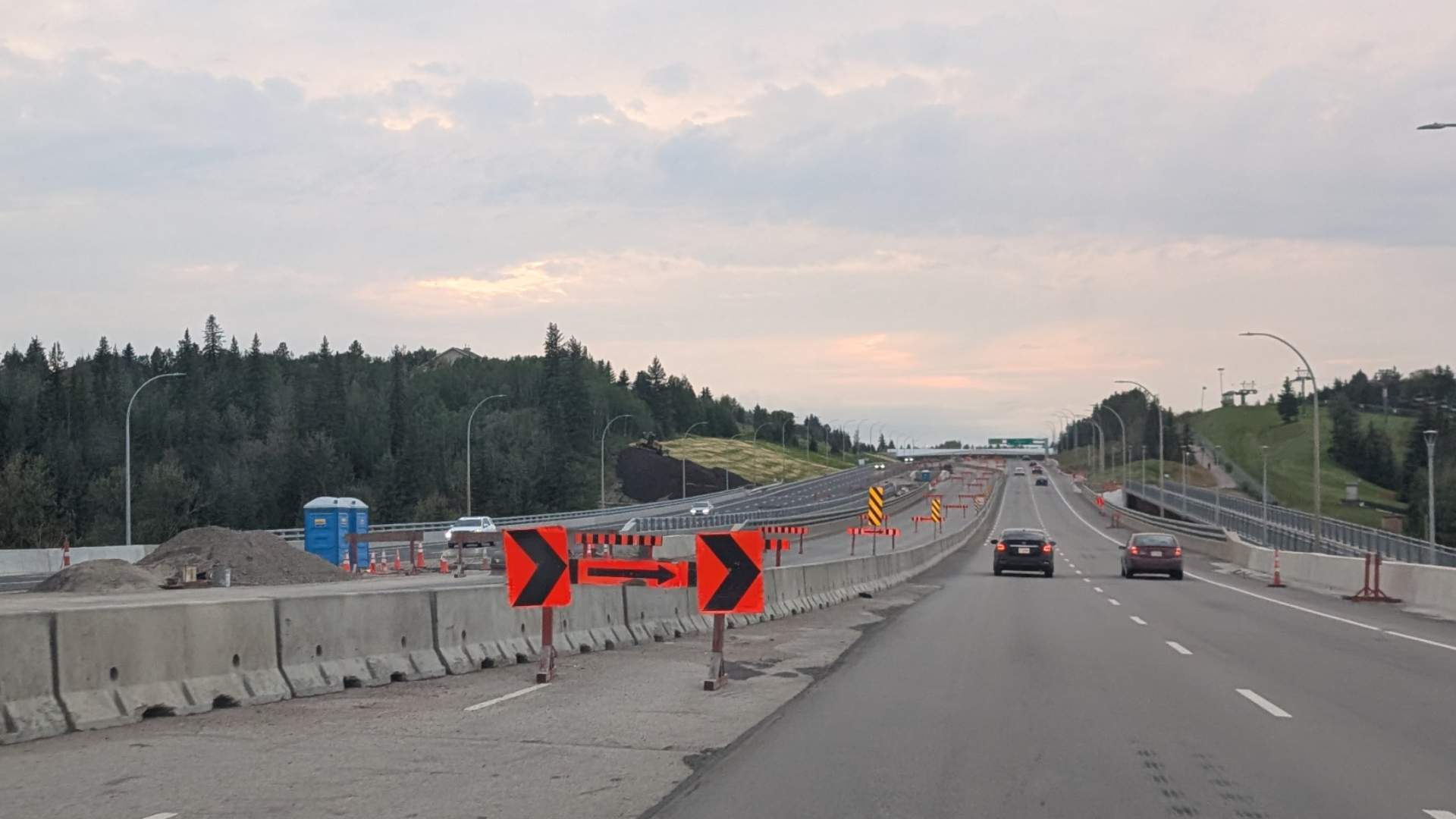
Crews worked through the biting chill and the midnight hours, casting new concrete, sealing expansion joints, and tightening the invisible tendons of steel that hold the bridge together. The project, long a fixture of local traffic reports, is finally wrapping up. Lanes are reopening. Barricades are lifting.
Yet, when we talk about bridge construction, we almost always talk about steel, concrete, and completion dates. We talk about budgets and lane closures. We rarely talk about what it actually feels like to cross that bridge on a Tuesday morning when the orange construction cones are gone.
Bridges are more than engineering feats. They are psychological pacts.
When you drive across a bridge like the one spanning Rainbow Valley, you are placing absolute trust in strangers. You trust the civil engineer who calculated the load-bearing weight decades ago. You trust the inspector who checked for hairline cracks in the freezing rain three years ago. You trust the construction worker who spent twelve hours in a safety vest, breathing exhaust fumes, ensuring the expansion joint would flex just right under your tires.
Consider what happens when that pact frays. A lane closure isn't just an inconvenience. It is a friction point in the daily rhythm of thousands of lives. It means waking up twenty minutes earlier. It means missing the bedtime story because traffic stalled over the valley. It means a slow, creeping erosion of peace of mind.
Edmonton is a city defined by its ravines. We live in a network of natural gashes carved by ancient rivers, connected by ribbons of concrete and steel. These crossings are our lifelines. When a bridge undergoes major rehabilitation—like the extensive work we have watched unfold on this stretch of Whitemud Drive—it is open-heart surgery on the city's circulatory system.
The work on the Rainbow Valley Bridge wasn't glamorous. It involved rehabilitation of aging infrastructure, waterproofing membranes, barrier repairs, and surface paving. In the sterile language of municipal press releases, these are maintenance items.
In human terms, they are the difference between a smooth glide home and a teeth-grinding ordeal.
Think of Sarah, a hypothetical nurse who finishes a grueling twelve-hour shift at a west-end hospital. For months, her commute home meant navigating the narrowing lanes near the bridge, her tired eyes straining against the glare of headlights bouncing off wet pavement and construction barrels. Her sanctuary—her quiet house, her steaming cup of tea—was held hostage by orange cones.
When those cones vanish, the change is palpable. It is the subtle click of anxiety unwinding in the chest. It is the sudden ability to listen to an entire song on the radio without stopping.
Infrastructure is invisible when it works. That is its ultimate paradox. The better a bridge is built, the less we notice it. We only pay attention to infrastructure when it breaks, when it closes, or when it makes us late.
The wrapping up of the Rainbow Valley Bridge work marks the restoration of that invisibility. Soon, drivers will barrel across the valley at ninety kilometers per hour, thinking entirely about their morning meetings, their grocery lists, or the weather, completely unaware of the massive invisible architecture keeping them safe above the ravine.
And that is how it should be. The greatest engineering achievements demand no applause. They simply hold the weight of our lives, day after day, year after year, letting us cross safely from one side of the valley to the other.
The barricades are gone. The asphalt is fresh. The river runs quietly below, indifferent to the concrete and steel spanning its banks. And Edmonton moves forward, one restored lane at a time.