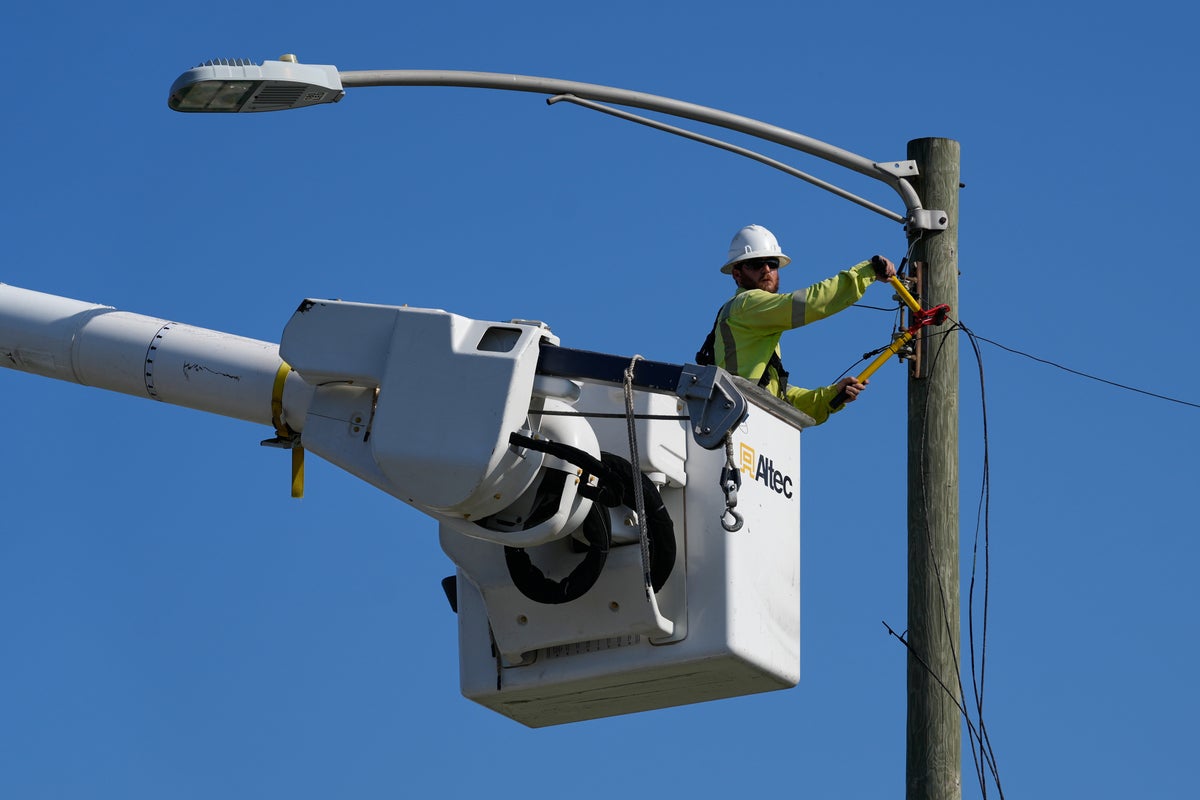
Nearly two weeks after a destructive derecho with winds approaching 100 mph struck northwest Indiana, thousands of homes and businesses in Gary remained without electricity, exposing deep vulnerabilities in regional utility infrastructure and emergency response priorities. The catastrophic mid-August storms knocked out power for more than 370,000 customers across the Northern Indiana Public Service Company (NIPSCO) network, but the protracted blackout in Gary—a predominantly Black city where one-third of residents live in poverty—sparked widespread outrage, official investigations, and a class-action lawsuit.
The crisis laid bare the collision between severe weather fueled by changing climate patterns and decades of municipal disinvestment. While utility officials pointed to uprooted trees and restricted alleyway access as primary bottlenecks for repair crews, local leaders and residents argued that the sluggish restoration timeline reflects systemic inequities in how corporate infrastructure investments are prioritized across communities.
The Anatomy of a Utility Breakdown
When the severe thunderstorm system swept through the region on August 11, it instantly crippled the electrical grid managed by NIPSCO, a subsidiary of NiSource Inc. Winds clocked at nearly 99 mph uprooted massive trees, bringing down primary transmission lines, shattering utility poles, and trapping vehicles under heavy timber.
For most service areas, power returned within days. Yet in Gary, the outages dragged past the ten-day mark, stretching into a thirteenth day for stubborn pockets of the city. Residents confronted spoiled food, non-functional medical equipment such as oxygen concentrators, and empty store shelves stripped of batteries and candles.
Utility executives defended their timeline by categorizing the event as one of the largest outage incidents in corporate history. Melody Birmingham, executive vice president for NiSource, emphasized the physical complexity of clearing dense debris from narrow urban corridors. Critics, however, maintained that physical cleanup alone does not account for the glaring disparities in communication and resource allocation during the critical first week of the disaster.
Accountability and Legal Action
Public frustration quickly turned into political pressure and legal confrontation. Gary Mayor Eddie Melton labeled the prolonged restoration pace unacceptable, noting that prolonged blackouts threaten family security and local commerce.
The backlash extended far beyond municipal statements. Indiana Governor Mike Braun directed the state consumer advocate to petition for a formal investigation into NIPSCO. The state-level inquiry focuses directly on whether the utility adequately maintained vegetation rights-of-way and whether capital approved by regulators for reliability upgrades was actually deployed where it was needed most.
Concurrently, a regional resident filed a class-action lawsuit in state court accusing NIPSCO of negligence. The complaint asserts that predictable hazards from overgrown trees near aging infrastructure were ignored, directly causing preventable failures when severe weather struck.
The Broader Context of Infrastructure Neglect
The power crisis cannot be separated from Gary's broader socioeconomic trajectory. Urban planning experts note that decades of industrial shifts, steel mill closures, and population decline have left municipal balance sheets strained. When a major natural disaster hits an area already wrestling with economic hurdles, the baseline resilience of both the city and its utility provider is severely compromised.
In neighborhoods where empty lots and older housing stock dominate, the grid relies heavily on legacy configurations that are highly vulnerable to falling limbs. When maintenance budgets are stretched thin across decades, routine tree trimming often falls short of what is required to withstand a 100-mph derecho.
As crews finally work to energize the last remaining transformers and close out the remaining outage tickets, the political fallout is just beginning. The events in Gary have forced regulators to reexamine how utility companies balance regional maintenance budgets and whether corporate restoration hierarchies inherently disadvantage lower-income communities during catastrophic emergencies.


