The executive branch now possesses almost absolute authority over the legal status and entry of millions of migrants following two monumental decisions by the highest judicial body in the United States. In consecutive six to three rulings, the conservative majority dismantled decades of legal precedent that previously allowed federal courts to check executive overreach on immigration. The legal barriers preventing the systematic dismantling of humanitarian protections have been completely eroded.
These rulings go far beyond simple policy shifts. They fundamentally redraw the boundaries of executive power, giving federal agencies unchecked authority to alter the lives of established legal residents and turn away asylum seekers before they even touch American soil. For a deeper dive into similar topics, we suggest: this related article.
The End of Judicial Review for Humanitarian Status
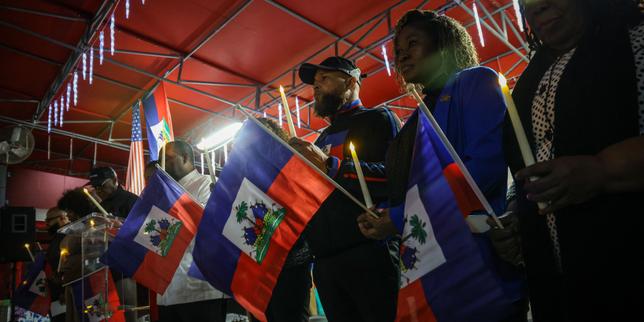
The first major blow landed on Temporary Protected Status, a program established by the Immigration Act of 1990 to shield individuals from deportation when their home countries are ravaged by war, environmental catastrophes, or civil strife. The executive branch moved to strip this protection from over three hundred thousand individuals from Haiti and Syria, many of whom have lived, worked, and built families in the United States for decades. Lower courts had initially halted the terminations, citing procedural violations and potential discriminatory intent.
The high court completely rejected those arguments. Writing for the majority, Justice Samuel Alito asserted that the statutory language governing the program explicitly blocks judicial review. The court determined that the decisions made by the Secretary of Homeland Security regarding which nations qualify for protection are entirely discretionary. For further context on this topic, comprehensive analysis can also be found on NBC News.
This creates an immediate crisis for families who have operated entirely within the legal framework of the country. They are now faced with an agonizing choice. They must either find an alternate, highly restrictive path to legal residency, leave the country voluntarily, or face the immediate threat of arrest and deportation. Employers are similarly trapped, forced to terminate essential personnel or risk severe federal penalties for unauthorized employment. By removing the courts from the equation, the ruling gives the administration a completely clear path to end the program for every designated country, effectively initiating a massive de-documentation campaign.
Redefining Arrival at the Southern Border
The second ruling focused heavily on the mechanics of the southern border, specifically reviving a controversial practice known as metering or the turn-back policy. This practice allows border agents to physically block migrants from entering official ports of entry, forcing them to wait in highly unstable conditions on the Mexican side of the border.
Under established federal and international law, anyone who arrives in the United States is legally entitled to apply for asylum and receive a screening for a well-founded fear of persecution. The entire case rested on a single semantic distinction. What does it mean to arrive?
The majority opinion took a literal, spatial approach to the text. The court ruled that an individual has not arrived in the country until they have physically crossed the boundary line. To illustrate this, the majority noted that a guest cannot be considered inside a house while they are still knocking on the front door.
This linguistic maneuver completely alters the asylum framework. By validating the logic that individuals stopped right at the boundary line have not technically arrived, the court has effectively legalized the practice of blocking entry to prevent asylum claims from being triggered.
The Chaos Outside the Ports of Entry
Advocates and legal experts argue that this decision will create profound logistical issues along the border. When the policy was previously utilized, it resulted in massive, makeshift camps in Mexican border cities, where vulnerable families became easy targets for cartels and extortion rings.
The policy does not reduce the desire or need to flee dangerous conditions. It merely displaces the pressure. Denying individuals the ability to present themselves orderly at an official port of entry creates an intense, counterproductive incentive. Desperate families are far more likely to attempt dangerous, unauthorized crossings through remote deserts or fast-moving rivers just to touch American soil and trigger their legal right to a hearing.
A Permanent Shift in Federal Power
The long-term impact of these rulings extends far beyond the immediate policy goals of the current administration. By voluntarily stripping itself of the power to review these executive actions, the judiciary has altered the constitutional balance of power. Future administrations of any political alignment will inherit these vast, unchecked capabilities.
The legal avenues to challenge federal immigration decisions on the grounds of procedural fairness or statutory compliance have been severely narrowed. For millions of individuals living under temporary protections or seeking refuge from violence, the law is no longer a shield against the shifting political priorities of the executive branch.