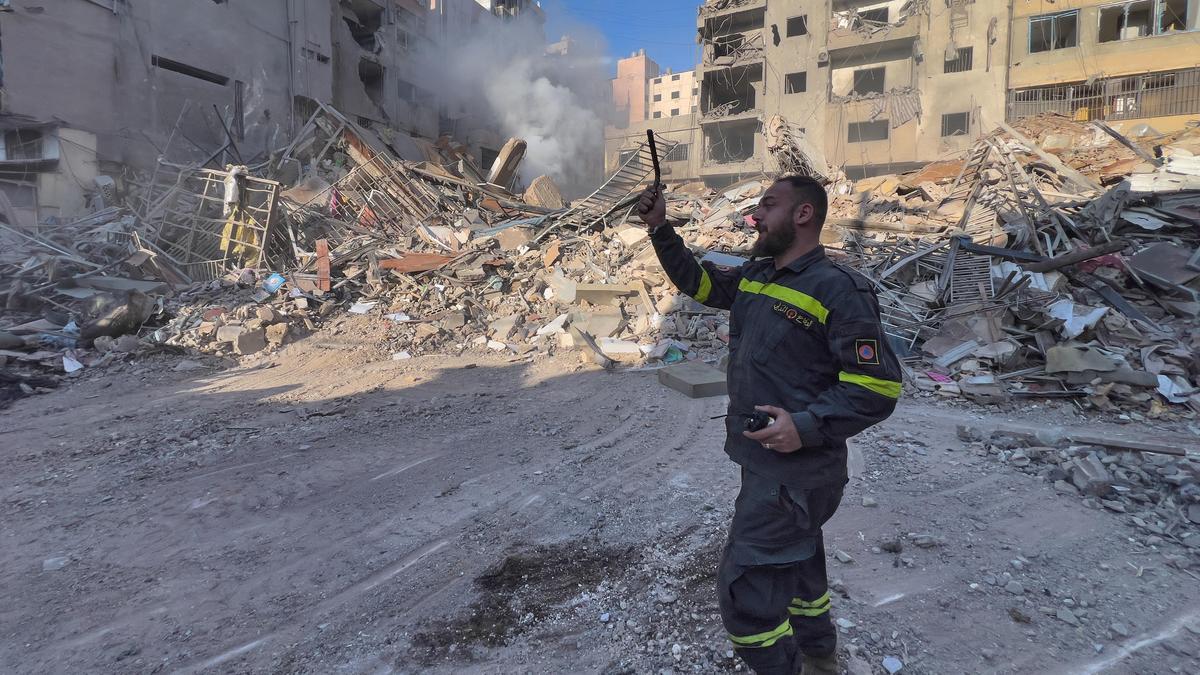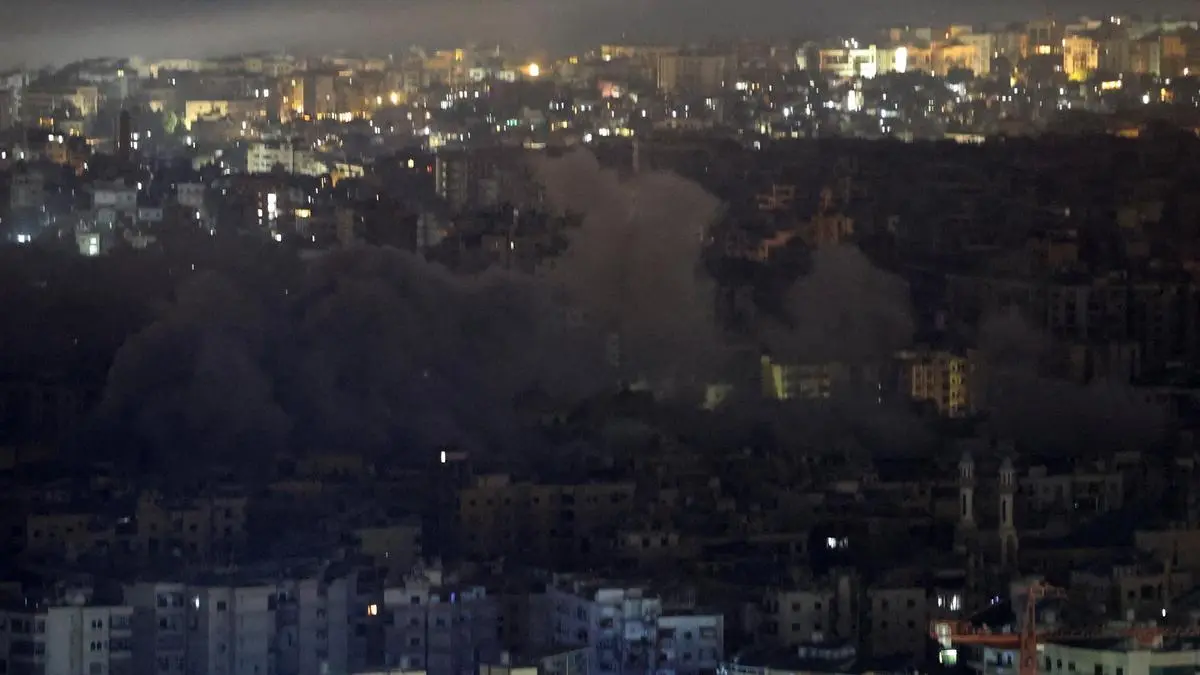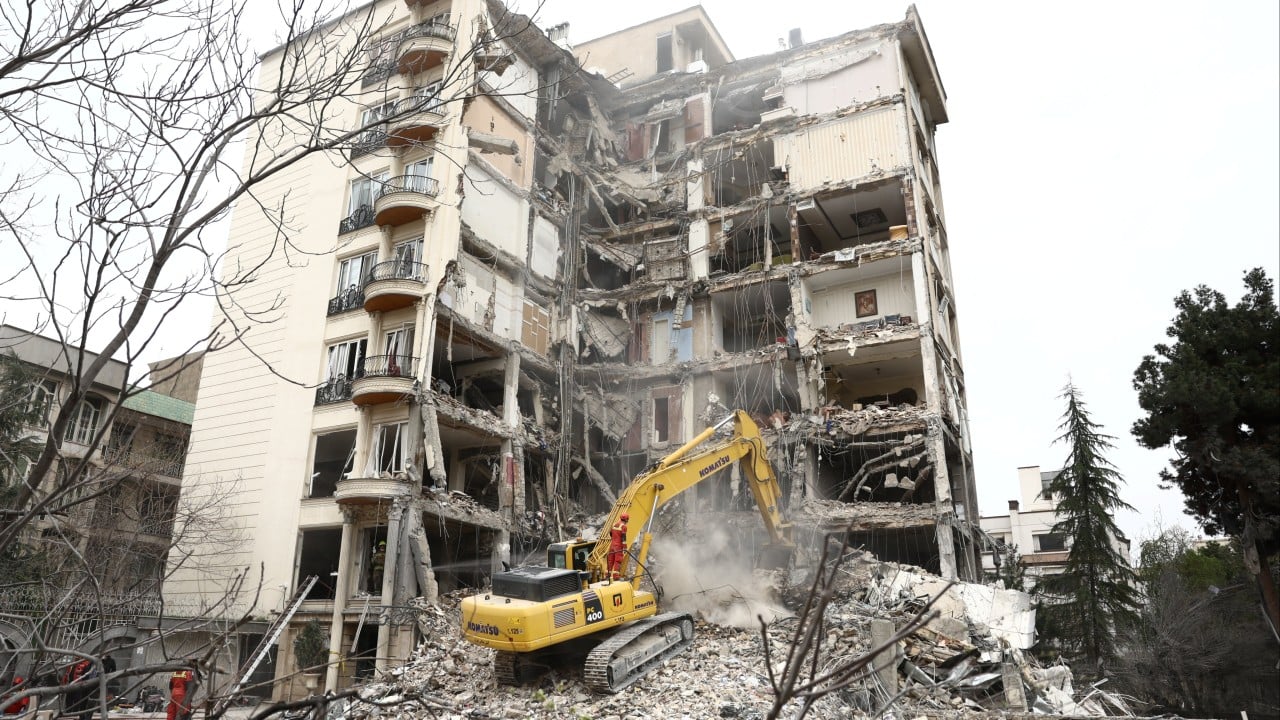
Independent monitors are losing the war of information inside Iran. As the joint US-Israeli air campaign enters its fourth week, the ability to accurately track military and civilian casualties has hit a structural dead end. The gap between the Iranian Health Ministry’s report of 1,500 dead and the Pentagon’s estimate of over 6,000 military fatalities is not just a statistical discrepancy. It is the result of a sophisticated, multi-layered blackout designed to turn the human cost of conflict into a state secret.
This is no longer a simple matter of counting bodies. It is a battle against a regime that has spent decades perfecting the art of "enforced disappearance" for both the living and the dead.
The Infrastructure of Silence
The primary obstacle for overseas monitors is a total severance of the digital nervous system. Since the strikes began on February 28, 2026, the Islamic Republic has maintained a near-total internet shutdown that exceeds 400 hours. Unlike previous outages, this "whiteout" is surgical. While state-run media and essential government services remain online through the National Information Network (NIN), civilian access to the outside world is non-existent.
When a missile hits a target in Karaj or Isfahan, the information flow is strangled at the source. Security forces, often in plain clothes, seal off strike zones within minutes. They don't just clear the rubble; they seize smartphones from witnesses and medical staff. Reports from the UN Fact-Finding Mission indicate that the Revolutionary Guard (IRGC) has established a "quarantine protocol" for hospitals. Wounded personnel are diverted to clandestine military clinics, away from the prying eyes of civilian doctors who might leak data to human rights groups like HRANA or Hengaw.
The data that does manage to trickle out is often intentionally polluted. In a desperate bid to maintain domestic morale, the Iranian state has begun recycling footage from past conflicts or using AI-generated imagery to claim successful interceptions of Western munitions. Conversely, independent investigators are now forced to spend hundreds of hours debunking "AI slop"—fake photos of mass graves or destroyed hardware that originate from both pro-regime and extremist opposition bots. This digital noise serves one purpose: to make the truth indistinguishable from fiction.
The OSINT Trap
For years, Open Source Intelligence (OSINT) was the gold standard for tracking modern warfare. Analysts would geolocate a TikTok video or a tweet to confirm a strike. In 2026, that playbook is obsolete.
The Iranian security apparatus has transitioned back to analogue mechanisms. By using couriers and landlines for sensitive casualty transfers, they have bypassed the signals intelligence (SIGINT) dragnet that the US and Israel rely on. This "analogue retreat" has created a massive blind spot. While satellite imagery can show a destroyed hangar or a scorched launch site, it cannot count the number of personnel inside the reinforced bunkers beneath them.
This leads to a dangerous reliance on mathematical modeling rather than physical evidence. When the US military reports "1,000 targets hit," they are often projecting casualty figures based on the suspected occupancy of those facilities. This is an educated guess, not a hard fact. Without boots on the ground or a free press, these numbers remain unverified.
The Cost of the Disconnect
The human impact of this information vacuum is devastating. Families of the missing are trapped in a purgatory of state intimidation. According to the Office of the UN High Commissioner for Human Rights, security forces have been raiding the homes of those who inquire too loudly about their relatives. In many cases, families are forced to sign "silence pledges" before they are allowed to reclaim a body for a private, unpublicized burial.
This isn't just about hiding the scale of the defeat. It is about preventing the "martyrdom effect" that has historically fueled Iranian protest movements. By keeping the death toll fragmented and localized, the state prevents a unified national grieving process. They have learned that 6,000 deaths spread across 26 provinces are harder to rally around than a single, high-profile victim caught on camera.
A Systemic Failure of Verification
We are witnessing the birth of a new era of "dark warfare," where the primary objective is the total annihilation of the witness. Overseas monitors are not just struggling; they are being outpaced by a regime that views data as a weapon of war.
Human rights organizations are currently tracking a list of roughly 7,000 deaths from the recent protests and military strikes, yet they admit that less than 10% of these have been officially registered or independently confirmed. The discrepancy suggests that thousands of people have simply vanished into the machinery of the state.
The international community must face a hard reality: the era of real-time casualty tracking in closed societies is over. As long as the Iranian state controls the physical ground and the digital gateways, the true cost of this war will remain buried in the rubble of its own silenced cities.
Would you like me to analyze the specific satellite imagery techniques being used to bypass the current Iranian camouflage protocols?