The war in Iran is no longer a distant geopolitical headline; it is currently siphoning hundreds of dollars a month from the average British Columbia household. While the conflict centers on the Strait of Hormuz, the economic shockwaves have hit the West Coast with surgical precision, driving gas prices in Metro Vancouver beyond $2.05 per litre and threatening a massive spike in grocery and airfare costs.
This isn’t just a simple case of supply and demand. It is a compounding crisis where global energy volatility meets a vulnerable regional supply chain that has no buffer against external shocks. Because BC relies on a "just-in-time" delivery model for everything from fuel to fertilizer, the local market reacts to Middle Eastern missile strikes within hours, not weeks.
The Strait of Hormuz Chokehold
The primary engine of this inflation is the Strait of Hormuz, a narrow waterway where roughly 20% of the world’s liquid petroleum and 23% of its natural gas pass daily. Since the joint U.S.-Israeli strikes on Iranian targets began in late February 2026, the Iranian Revolutionary Guard has effectively throttled this artery.
The result was an immediate 42% surge in Brent crude prices, which settled near $103 per barrel by mid-March. In British Columbia, where the provincial government recently eliminated the consumer carbon tax, these global gains have more than wiped out any perceived relief for drivers. Every dollar increase in the price of a barrel of oil translates to a 1.4-cent rise at the pump for BC residents. With oil jumping $30 in a matter of days, the math for the average commuter is devastating.
Why BC Gas Prices Lead the Continent
Metro Vancouver and Greater Victoria consistently see the highest fuel prices in North America, and the current war has exacerbated this disparity. Unlike other provinces that might have more direct access to domestic refining or subsidized local supply, BC is a "price taker."
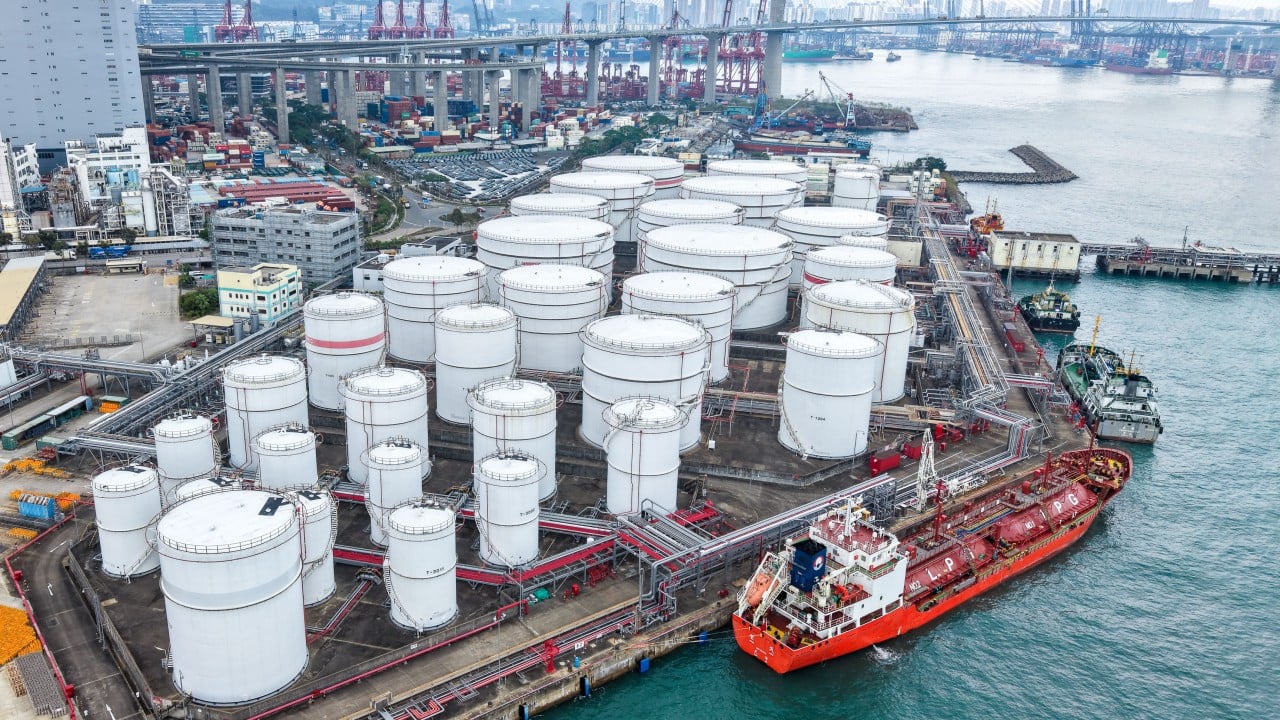
Our local inventory is remarkably small. Local storage tanks at regional terminals are replenished every few days to keep overhead low. When a global crisis erupts, there is no strategic reserve to dip into. The "retail margin" and "refining cost" factors, while often blamed by frustrated drivers, remain secondary to the sheer volatility of crude. As of March 16, regular gasoline in North Vancouver hit $2.059, and analysts warn that if the conflict drags into April, the $2.20 threshold is not just possible—it is probable.
The Fertilizer Crisis and Your Grocery Bill
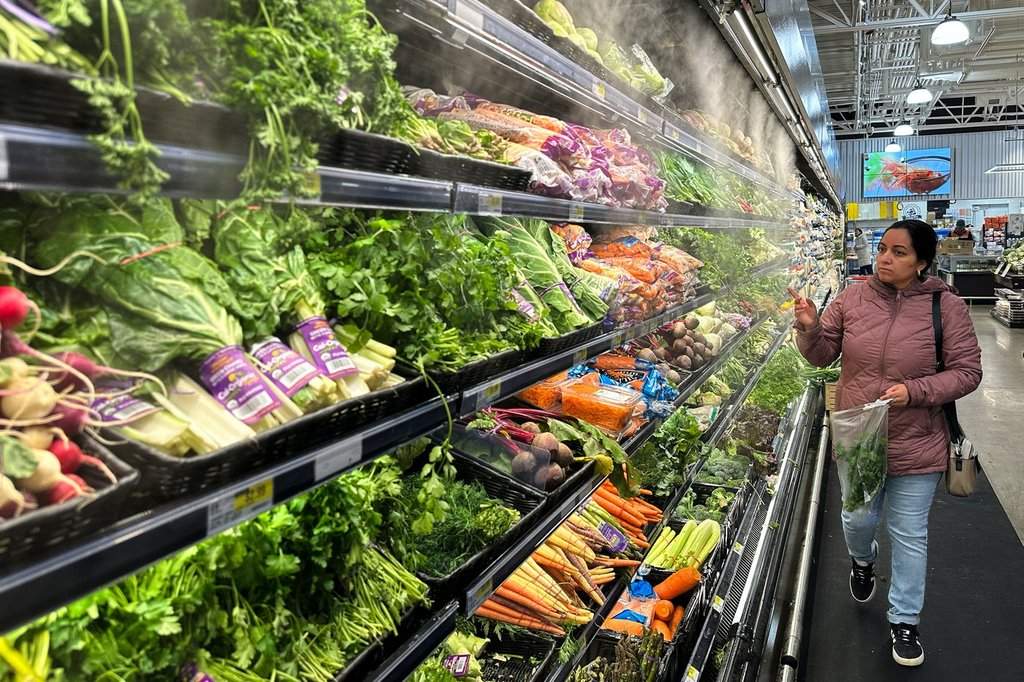
While the pump price is visible, a more insidious threat is brewing in the produce aisle. The Middle East is responsible for roughly 30% of the world’s chemical fertilizer exports. As shipping routes are diverted or halted, the cost of urea and ammonia has skyrocketed just as the spring planting season begins in the Northern Hemisphere.
Farmers are facing a double-edged sword. Not only is the fertilizer required for crop yields becoming scarce and expensive, but the diesel required to run farm machinery and transport goods has seen an even steeper price hike than regular gasoline. Diesel prices in some Canadian sectors have jumped 50 cents per litre since the conflict started.
The Compound Effect on Food Inflation
- Transportation Surcharges: Most major trucking associations have built-in surcharges that allow them to pass 100% of fuel increases to the wholesaler.
- Carbon Pricing: On April 1, 2026, the federal industrial carbon price is scheduled to rise from $95 to $110 per tonne. While separate from the war, the timing creates a "perfect storm" of cost increases.
- Basmati and Grains: Specific products, such as Indian basmati rice, are currently stranded at ports because freight rates have more than doubled. Roughly 400,000 metric tons of rice are currently backed up due to the closure of Middle Eastern shipping lanes.
The Death of the Affordable Vacation
For BC residents looking to escape the spring rain, the timing could not be worse. Jet fuel was already on a slow upward trajectory before the war; now, it is a primary headwind for airline profitability.
Air Canada and other major carriers have already begun adjusting their schedules. Flights that typically transit through Middle Eastern hubs like Dubai or Doha are being rerouted, adding hours to flight times and thousands of dollars in fuel burn. Even domestic travel isn't safe. High gas prices are forcing families to reconsider road trips, while the "conflict surcharges" added to airline tickets are making the $1,000 economy seat the new baseline for international travel.
The World Travel & Tourism Council (WTTC) estimates the sector is losing $800 million per day globally. In BC, this translates to a cooling of the local tourism economy as international visitors from Asia and Europe face more expensive and complex flight paths to reach Vancouver.
Breaking the Cycle of Volatility
The harsh reality is that British Columbia has very little power to influence the trajectory of this energy crisis. We are tethered to a global market where the actions of a few petro-states dictate the cost of a gallon of milk in Surrey or a tank of gas in Kelowna.
The Bank of Canada is currently caught in a vice. While they had hoped to maintain interest rates at 2.25% through 2026, this unexpected "inflationary jolt" may force their hand if energy prices don't stabilize. If the war in Iran continues for months rather than weeks, the temporary price hikes we see today will become the permanent floors of tomorrow.
Would you like me to analyze how the projected April 1st carbon tax increase will specifically interact with these war-driven fuel prices in BC?