Australia’s condemnation of Iran following the effective closure of the Strait of Hormuz is a diplomatic necessity, but it masks a much more terrifying reality for the domestic economy. While Canberra joins Washington in denouncing the maritime blockade, the immediate result at home is a violent spike in fuel prices that could soon reach $3.00 per litre. This is not merely a story of Middle Eastern volatility. It is a story of a nation that has spent decades trading its energy sovereignty for the convenience of just-in-time global supply chains, only to find itself at the end of a very long and very fragile rope.
The math is simple and devastating. Roughly 20% of the world’s oil and liquefied natural gas (LNG) passes through that narrow 33-kilometer chokepoint between Iran and Oman. When Tehran threatens to "set fire" to any vessel attempting the passage, the global insurance markets react before the first shot is even fired. For Australia, the impact is delayed by about seven to ten days—the time it takes for the Malaysian Tapis spot price to filter down to local bowsers—but the surge is now unavoidable. We are looking at a supply shock that could add 1.5 percentage points to the Consumer Price Index (CPI), effectively vaporizing any hope of interest rate relief from the Reserve Bank this year. You might also find this similar story insightful: Strategic Asymmetry and the Kinetic Deconstruction of Iranian Integrated Air Defense.
The Mirage of Energy Independence
Politicians like to remind us that Australia is an energy superpower. We export staggering amounts of coal and gas, yet we remain structurally incapable of keeping our own trucks moving without foreign intervention. The closure of Hormuz exposes a layered vulnerability that most Australians never consider. We don’t just import crude oil; we import refined product.
When the Strait closes, the massive refineries in Singapore, South Korea, and Japan lose their primary source of feedstock. Even if a tanker could miraculously find a way to Sydney, there is almost nowhere left to refine it. Over the last twenty years, Australia has allowed its domestic refining capacity to wither to almost nothing. We are now "two steps upstream" in our dependency. If the Asian refineries can't get Middle Eastern crude, they cannot send us the diesel and jet fuel that keep our supermarkets stocked and our planes in the air. As discussed in detailed articles by TIME, the results are worth noting.
Why Diplomacy Won't Lower the Price at the Pump
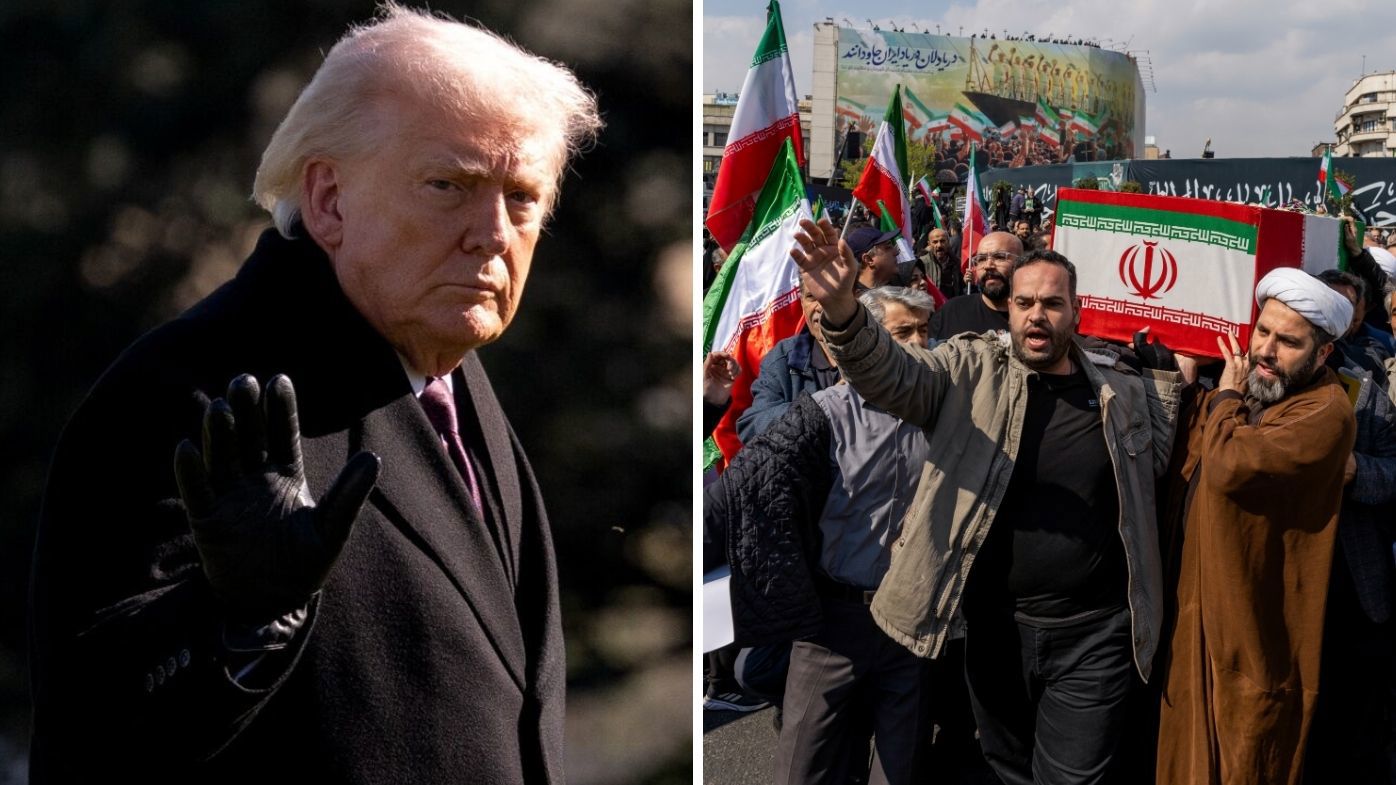
The Albanese government’s rhetoric has been firm, but its options are remarkably thin. While the U.S. administration under Donald Trump has demanded a naval coalition to reopen the waterway, Australia has remained hesitant to commit warships to the region. This caution is born of a pragmatic, if grim, calculation. Sending a Frigate to the Gulf does nothing to solve the immediate shortage of refined fuel sitting in Singaporean tanks.
Furthermore, the diplomatic rift is widening. While the West condemns the blockade, major buyers like India and China are reportedly negotiating their own private deals with Tehran to ensure the safe passage of their tankers. If these bilateral "security guarantees" become the new norm, Australia—tied tightly to the U.S. and Israeli position—could find itself at the back of the queue for what little fuel remains on the open market.
The Economic Domino Effect
The pain won't stop at the petrol station. A prolonged closure of the Strait of Hormuz acts as a regressive tax on every sector of the Australian economy.
- Agriculture: Farmers facing a $1.00 per litre increase in diesel costs will be forced to pass those expenses directly to the grocery aisle.
- Logistics: The "last mile" of delivery becomes an exercise in loss mitigation.
- Construction: Higher bitumen and transport costs threaten to stall infrastructure projects across the country.
The Reserve Bank of Australia is currently caught in a stagflationary trap. Governor Michele Bullock has already warned that while a supply shock drives up inflation, it also destroys demand by crushing household discretionary spending. It is a "lose-lose" scenario where the central bank might be forced to raise rates to protect the dollar, even as the economy slides toward a technical recession.
A Systemic Failure of Foresight
For years, analysts have warned that our fuel security is "strategically brittle." The current crisis proves that the Liquid Fuel Security Act and our participation in the International Energy Agency (IEA) collective stockholding are insufficient buffers against a total maritime blockade. The IEA recently agreed to release 400 million barrels of oil from emergency reserves, but this is a temporary fix for a permanent geographic reality.
The real reason this crisis feels so acute is that we have no "Plan B." We lack the massive, distributed storage facilities in Northern Australia that would be required to weather a three-month disruption. We lack a government-backed shipping fleet. We are, essentially, a continent-sized island with the fuel reserves of a medium-sized trucking company.
The Geopolitical Cost of the Bowzer
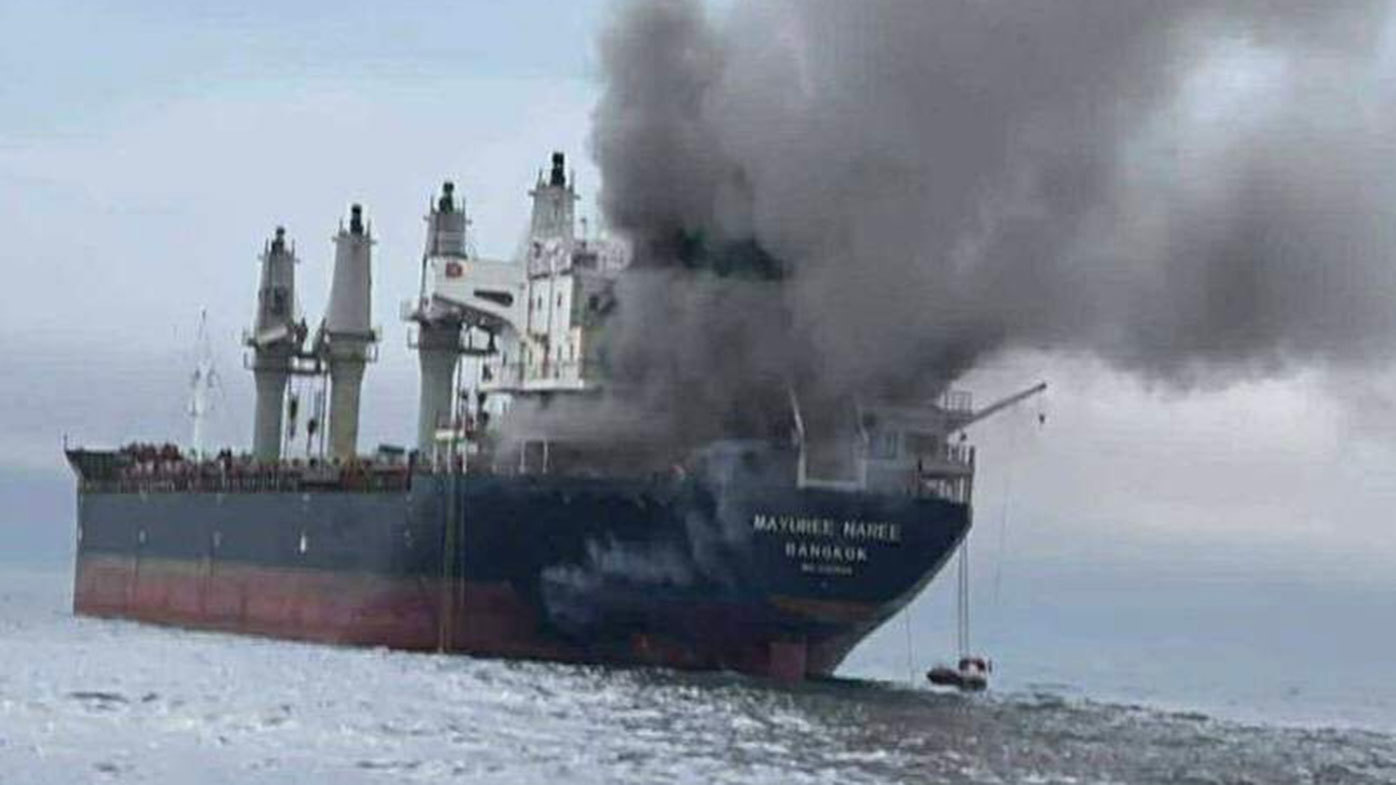
Iran’s strategy is not just about oil; it is about leverage. By holding the global economy hostage at the Strait, they are forcing a recalculation of Western military involvement in the region. For the average Australian driver, this means their weekly commute is now a line item in a proxy war between Tehran, Jerusalem, and Washington.
The condemnation from Canberra is loud, but the silence regarding our own lack of preparedness is deafening. Until Australia addresses the "northern gap" in its fuel logistics and reinvests in sovereign refining or alternative synthetic fuels, we will remain a hostage to any regional power capable of sinking a tanker in a 20-mile wide strip of water.
The current price hike isn't a fluke. It's a bill coming due for twenty years of strategic complacency.
Would you like me to analyze the specific impact this fuel crisis will have on Australian airline ticket prices and domestic tourism for the remainder of 2026?